Introduction to The Importance of Movement Breaks for Kids
In today’s digital age, it’s no secret that kids are spending more time sitting and less time engaging in physical activity. This sedentary lifestyle can have serious consequences on their physical and mental health, including obesity, decreased focus, and increased anxiety. However, incorporating movement breaks into their daily routine can be a game-changer. In this article, we’ll explore the importance of movement breaks for kids and provide practical tips on how to incorporate them into their daily lives.
The Benefits of Movement Breaks for Kids’ Health and Development
Movement breaks offer a wide range of benefits for kids’ health and development. Regular physical activity has been shown to improve cardiovascular health, strengthen bones, and reduce the risk of obesity. Moreover, movement breaks can also have a positive impact on kids’ mental health, reducing stress and anxiety, and improving their overall mood.
According to the Centers for Disease Control and Prevention, regular physical activity can also improve kids’ academic performance, including better grades and higher test scores. This is because physical activity has been shown to improve cognitive function, including concentration, memory, and problem-solving skills.
Types of Movement Breaks for Kids: Finding What Works Best
There are many types of movement breaks that can be incorporated into kids’ daily routine, and the key is to find what works best for them. Some kids may enjoy structured activities like sports teams or dance classes, while others may prefer free play or simply running around outside.
One of the most effective types of movement breaks is high-intensity interval training (HIIT). HIIT involves short bursts of intense physical activity followed by brief periods of rest. This type of exercise has been shown to improve cardiovascular health, increase muscle strength, and boost metabolism.
Incorporating Movement Breaks into Daily Routine: Tips and Strategies
Incorporating movement breaks into kids’ daily routine can be challenging, but there are many tips and strategies that can make it easier. One of the most effective ways is to schedule movement breaks into their daily routine, such as right after breakfast or before homework time.
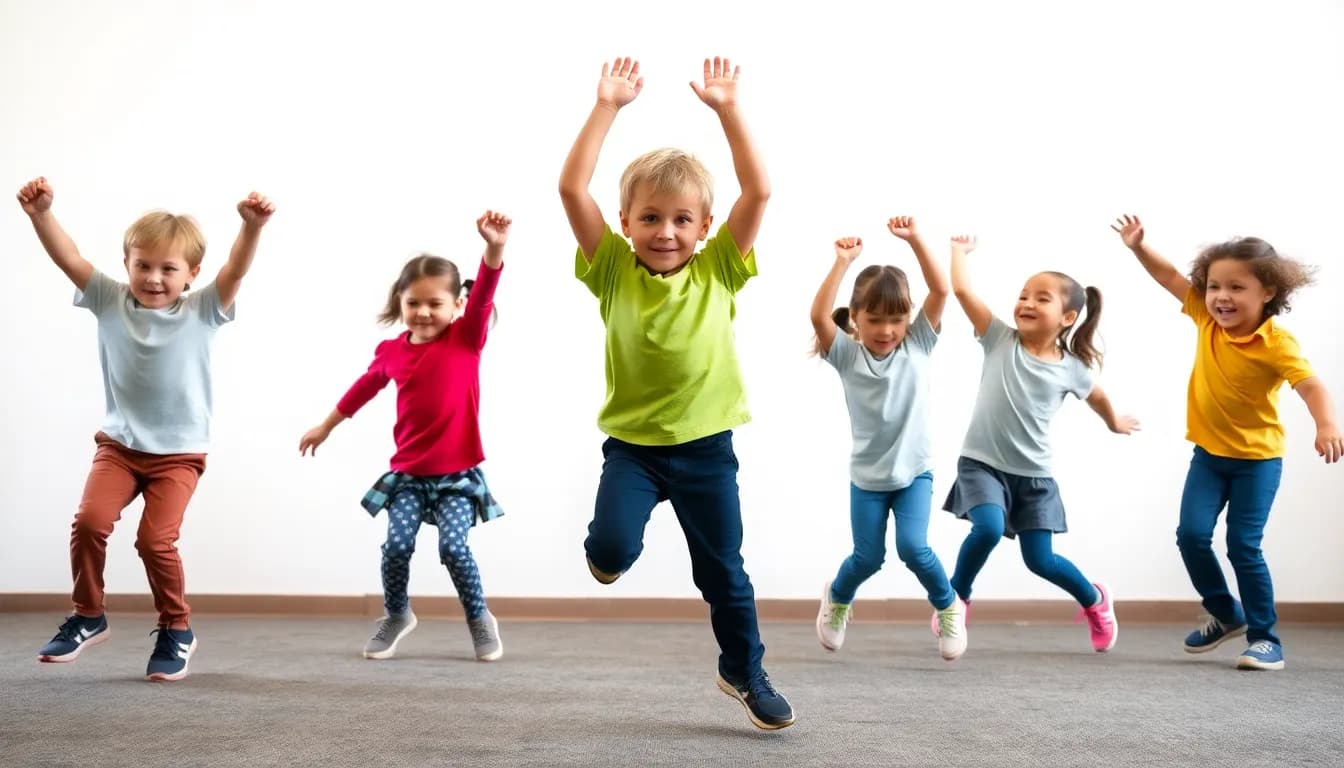
Another strategy is to find activities that kids enjoy, such as riding a bike, playing tag, or dancing to their favorite music. This can make movement breaks feel more like playtime than a chore. Additionally, incorporating movement breaks into family time, such as going for a walk or bike ride together, can be a great way to spend quality time together while also promoting physical activity.
Overcoming Barriers to Movement Breaks: Common Challenges and Solutions
Despite the many benefits of movement breaks, there are many barriers that can prevent kids from engaging in regular physical activity. One of the most common challenges is a lack of time, with many kids having busy schedules filled with schoolwork, extracurricular activities, and screen time.
Another common challenge is a lack of access to safe outdoor spaces or resources, such as playgrounds or sports equipment. However, there are many solutions to these challenges, such as finding indoor activities, like yoga or dance, or using household items, like stairs or jump ropes, to get kids moving.
The Importance of Movement Breaks for Kids’ Overall Well-being
The importance of movement breaks for kids cannot be overstated. Regular physical activity has been shown to have a positive impact on kids’ physical and mental health, academic performance, and overall well-being. By incorporating movement breaks into their daily routine, kids can develop healthy habits that will last a lifetime.
Conclusion: The Importance of Prioritizing Movement Breaks for Kids
In conclusion, movement breaks are a critical component of kids’ overall health and development. By incorporating regular physical activity into their daily routine, kids can improve their physical and mental health, academic performance, and overall well-being. As parents, caregivers, and educators, it’s our responsibility to prioritize movement breaks and provide kids with the opportunities they need to thrive.
For more information on the importance of physical activity for kids, check out our article on The Benefits of Physical Activity for Kids.
Additionally, the World Health Organization provides a wealth of information on the importance of physical activity for kids and adults alike.