
PRASHAST Connect

How to Teach Kids About Personal Boundaries
Uncategorised

How to Teach Kids About Personal Boundaries: The Ultimate Guide to Raising Confident Children

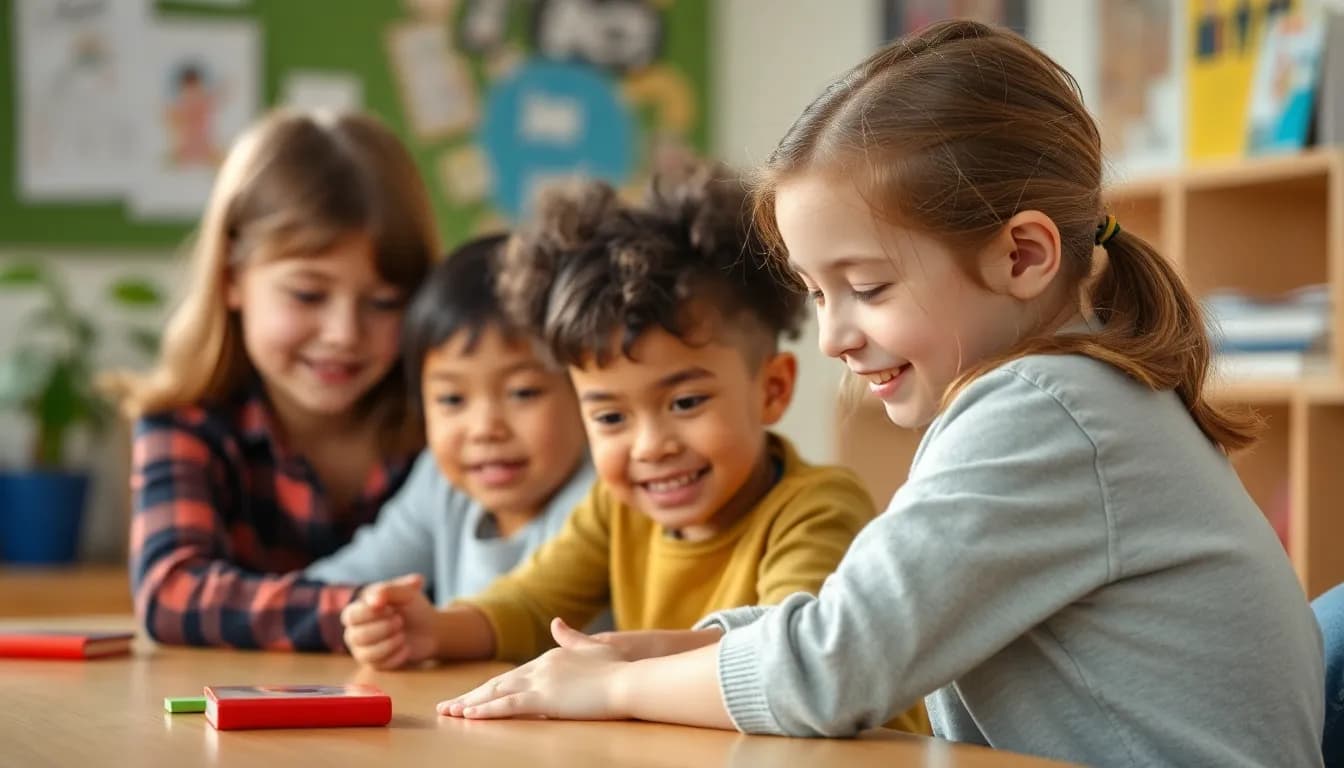
Learn how to teach kids about personal boundaries and help them develop healthy relationships and a strong sense of self. Discover the best tips and strategies for raising confident children. Table of Contents Introduction to How to Teach Kids About Personal Boundaries The Importance of Teaching Kids About Personal Boundaries Modeling Healthy Boundaries for Your Kids Setting and Enforcing Healthy Boundaries with Your Kids Practicing Empathy and Active Listening with Your Kids Teaching Kids to Be Assertive and Set Their Own Boundaries Common Challenges When Teaching Kids About Personal Boundaries Conclusion Introduction to How to Teach Kids About Personal Boundaries Teaching kids about personal boundaries is an essential part of their emotional and social development. By setting clear boundaries and encouraging healthy relationships, you can help your child develop a strong sense of self and build confidence in their interactions with others. Personal boundaries are the limits we set for ourselves to protect our physical, emotional, and mental well-being. They help us define what is and isn’t acceptable behavior from others and enable us to maintain healthy relationships. The Importance of Teaching Kids About Personal Boundaries Teaching kids about personal boundaries is crucial for their overall well-being and development. By setting clear boundaries, you can help your child: Develop a strong sense of self and identity Build confidence and self-esteem Learn to communicate effectively and assertively Develop healthy relationships with others Protect themselves from emotional and physical harm Modeling Healthy Boundaries for Your Kids As a parent, you are your child’s most significant role model. By modeling healthy boundaries, you can teach your child the importance of setting limits and respecting others’ boundaries. Here are some ways to model healthy boundaries for your kids: Set clear boundaries with your child and others Communicate your needs and expectations clearly Respect others’ boundaries and personal space Practice self-care and prioritize your own needs Setting and Enforcing Healthy Boundaries with Your Kids Setting clear boundaries with your child is essential for their development and well-being. Here are some tips for setting and enforcing healthy boundaries: Communicate your expectations clearly Set clear consequences for misbehavior Be consistent and fair in your discipline Respect your child’s boundaries and personal space Practicing Empathy and Active Listening with Your Kids Practicing empathy and active listening with your child is essential for building trust and understanding. By listening to your child’s needs and concerns, you can help them develop emotional intelligence and build strong relationships. Here are some tips for practicing empathy and active listening with your kids: Give your child your undivided attention Listen to their concerns and validate their emotions Ask open-ended questions to encourage communication Reflect your child’s feelings and needs back to them Teaching Kids to Be Assertive and Set Their Own Boundaries Teaching kids to be assertive and set their own boundaries is an essential part of their development. By encouraging assertiveness, you can help your child build confidence and develop healthy relationships. Here are some tips for teaching kids to be assertive and set their own boundaries: Role-play different social scenarios with your child Encourage your child to express their needs and wants clearly Teach your child to use “I” statements to express their feelings Practice assertive communication with your child Common Challenges When Teaching Kids About Personal Boundaries Teaching kids about personal boundaries can be challenging, especially if you’re not used to setting clear limits or communicating effectively. Here are some common challenges you may face: Difficulty setting clear boundaries with your child Struggling to communicate your needs and expectations clearly Dealing with resistance or pushback from your child Managing your own emotions and reactions to your child’s behavior Conclusion Teaching kids about personal boundaries is an essential part of their emotional and social development. By setting clear boundaries, modeling healthy relationships, and encouraging assertiveness, you can help your child build confidence and develop healthy relationships. Remember, teaching kids about personal boundaries takes time, patience, and practice. Be consistent, communicate clearly, and respect your child’s boundaries and personal space. For more information on teaching kids about personal boundaries, check out the American Psychological Association’s article on teaching children about boundaries. If you’re looking for more tips on setting healthy boundaries with your child, read our article on setting healthy boundaries with kids.

Activities to Strengthen Core Muscles in Toddlers
Uncategorised

Activities to Strengthen Core Muscles in Toddlers: The Ultimate Guide to Building Strong Foundations

Discover the best activities to strengthen core muscles in toddlers, promoting better posture, balance, and overall development. Learn how to get started today! Table of Contents Introduction The Importance of Strong Core Muscles in Toddlers Play-Based Activities to Strengthen Core Muscles in Toddlers Specific Exercises to Strengthen Core Muscles in Toddlers Tips and Precautions for Strengthening Core Muscles in Toddlers Conclusion Introduction to Activities to Strengthen Core Muscles in Toddlers As a parent or caregiver, you want the best for your child, and that includes helping them develop strong core muscles. A strong core is essential for good posture, balance, and overall physical development. In this article, we’ll explore the importance of strong core muscles in toddlers and provide you with a comprehensive guide to activities that can help strengthen them. Core muscles include the muscles in your child’s abdomen, back, and pelvis. These muscles work together to provide stability and support for their entire body. When your child has strong core muscles, they’ll be better equipped to perform everyday activities, such as sitting, standing, and walking. The Importance of Strong Core Muscles in Toddlers Strong core muscles are crucial for toddlers as they provide a solid foundation for their overall physical development. When your child has weak core muscles, they may experience difficulties with balance, posture, and movement. This can lead to issues such as: Poor posture, which can put strain on their back and neck Difficulty with balance and coordination, making them more prone to falls Weak muscles, making everyday activities more challenging On the other hand, strong core muscles can help your child: Improve their posture and reduce the risk of back and neck problems Enhance their balance and coordination, reducing the risk of falls Perform everyday activities with more ease and confidence Play-Based Activities to Strengthen Core Muscles in Toddlers Play is an essential part of your child’s development, and it’s an excellent way to strengthen their core muscles. Here are some play-based activities to try: Crawling and creeping: These activities help strengthen your child’s abdominal muscles and improve their overall core strength. Tummy time: Place your child on their tummy, and engage them in activities such as reaching for toys or playing with mirrors. Balloon games: Inflate a balloon and have your child try to pop it by lying on their tummy and using their arms and legs to push the balloon. Obstacle courses: Set up an obstacle course with tunnels, cones, and balance beams to help your child develop their balance and coordination. Remember to always supervise your child during play and provide support when needed. As your child becomes more confident, you can gradually increase the difficulty level of the activities. Specific Exercises to Strengthen Core Muscles in Toddlers In addition to play-based activities, there are specific exercises you can do with your child to strengthen their core muscles. Here are a few examples: Plank: Hold your child in a plank position, with their hands under their shoulders and their toes on the ground. Hold for 10-15 seconds and repeat 3-5 times. Bicycle crunches: Lie on your child’s back and bring one knee towards their chest, then the other. Repeat 10-15 times on each side. Leg raises: Lie on your child’s back and raise their legs straight up towards the ceiling. Hold for a few seconds, then lower. Repeat 10-15 times. Remember to start slowly and gradually increase the difficulty level as your child becomes more comfortable with the exercises. Tips and Precautions for Strengthening Core Muscles in Toddlers Here are some additional tips and precautions to keep in mind when strengthening your child’s core muscles: Start early: The earlier you start strengthening your child’s core muscles, the better. Be consistent: Make core strengthening activities a regular part of your child’s daily routine. Listen to your child: If your child is experiencing discomfort or pain, stop the activity immediately. Consult a professional: If you have concerns about your child’s core strength or overall development, consult with a pediatrician or physical therapist. For more information on child development and core strengthening exercises, visit the Centers for Disease Control and Prevention or the American Academy of Pediatrics websites. Additionally, you can read our related article on The Importance of Fine Motor Skills in Toddlers to learn more about promoting overall development in your child. Conclusion In conclusion, strengthening core muscles in toddlers is crucial for their overall physical development. By incorporating play-based activities and specific exercises into your child’s daily routine, you can help them develop strong core muscles and set them up for success. Remember to start early, be consistent, and listen to your child’s needs. With patience and dedication, you can help your child build strong foundations for a lifetime of physical activity and overall well-being.

How to Reduce Morning Routine Stress with Kids
Uncategorised

How to Reduce Morning Routine Stress with Kids: The Ultimate Guide to a Calmer Start

Discover the best tips and strategies on how to reduce morning routine stress with kids and start your day on a positive note. Table of Contents Introduction Establishing a Morning Routine that Works Preparing Everything the Night Before Streamlining Breakfast and Lunch Managing Kids’ Morning Meltdowns Involving Kids in the Morning Routine Conclusion Introduction to How to Reduce Morning Routine Stress with Kids Mornings can be chaotic, especially when you have kids. The rush to get everyone dressed, fed, and out the door on time can be overwhelming. But what if you could reduce morning routine stress with kids and start your day feeling calm and in control? It’s not impossible. With a few simple strategies and a bit of planning, you can transform your morning routine from a source of stress to a positive and enjoyable experience for the whole family. Establishing a Morning Routine that Works The key to reducing morning routine stress with kids is to establish a consistent routine that works for everyone. This means setting a regular wake-up time, allowing for plenty of time to get ready, and prioritizing the most important tasks. According to the American Academy of Sleep Medicine, children need 8-12 hours of sleep per night, so make sure your child is getting enough rest before establishing a morning routine. Preparing Everything the Night Before One of the most effective ways to reduce morning routine stress with kids is to prepare everything the night before. This means laying out clothes, packing lunches, and preparing breakfast ingredients in advance. By doing so, you’ll save time in the morning and reduce the likelihood of forgotten items or last-minute scrambles. Streamlining Breakfast and Lunch Breakfast and lunch can be two of the most stressful parts of the morning routine. To streamline these tasks, consider meal prepping on the weekends or setting up a breakfast bar with healthy options. You can also involve your kids in the process by letting them help with meal planning and preparation. This will not only teach them important life skills but also give them a sense of ownership and responsibility. Managing Kids’ Morning Meltdowns Despite your best efforts, mornings can still be chaotic, and kids can still have meltdowns. To manage these situations, it’s essential to stay calm and patient. Take a deep breath, acknowledge your child’s feelings, and offer empathy. Sometimes, all your child needs is a hug or a reassuring word to calm down. Involving Kids in the Morning Routine Involving kids in the morning routine can help them feel more invested and responsible. Assign tasks that are age-appropriate, such as making their bed, brushing their teeth, or packing their backpack. By giving your kids ownership over certain tasks, you’ll not only reduce morning routine stress but also teach them important life skills and independence. Teaching Kids How to Reduce Morning Routine Stress with Kids As your kids get older, it’s essential to teach them how to reduce morning routine stress with kids. This means modeling healthy habits, such as waking up early, exercising, and meditating. By teaching your kids these skills, you’ll empower them to take control of their own morning routine and reduce stress for the whole family. Conclusion Reducing morning routine stress with kids is possible with a few simple strategies and a bit of planning. By establishing a consistent routine, preparing everything the night before, streamlining breakfast and lunch, managing kids’ morning meltdowns, and involving kids in the morning routine, you can transform your mornings from chaotic to calm. Remember, every family is different, and what works for one family may not work for another. Be patient, flexible, and open to trying new approaches until you find what works best for you and your kids. For more tips on reducing morning routine stress with kids, check out our related post on morning routine ideas for kids. By implementing these strategies and making a few small changes to your morning routine, you can start your day feeling calm, in control, and ready to take on whatever challenges come your way.

Benefits of Dramatic Play in Early Years
Uncategorised

Unlocking the Benefits of Dramatic Play in Early Years: The Ultimate Guide to Child Development

Discover the importance of dramatic play in early childhood education, and how it can shape your child’s cognitive, social, and emotional development. Table of Contents Introduction to Benefits of Dramatic Play in Early Years The Importance of Dramatic Play in Early Childhood Education Boosting Cognitive Development through Dramatic Play Developing Social Skills through Dramatic Play in Early Years Cultivating Emotional Intelligence through Dramatic Play Setting Up a Dramatic Play Area in Your Home or Classroom Conclusion Introduction to Benefits of Dramatic Play in Early Years Dramatic play is a vital component of early childhood education, offering a wide range of benefits for young children. Through dramatic play, children can develop essential skills, build confidence, and foster creativity. In this article, we’ll delve into the benefits of dramatic play in early years, exploring its impact on cognitive, social, and emotional development. The Importance of Dramatic Play in Early Childhood Education Dramatic play is often overlooked in favor of more structured activities, but it’s essential to recognize its value in early childhood education. Dramatic play allows children to explore, experiment, and learn through hands-on experiences, making it an ideal way to develop critical thinking, problem-solving, and communication skills. Boosting Cognitive Development through Dramatic Play Dramatic play has a profound impact on cognitive development, helping children develop essential skills such as problem-solving, critical thinking, and memory. By engaging in dramatic play, children can improve their ability to think creatively, make connections between objects and events, and develop a deeper understanding of the world around them. According to a study published in the Journal of Play, dramatic play can significantly enhance cognitive development in young children, leading to improved academic performance and social skills. Developing Social Skills through Dramatic Play in Early Years Dramatic play is an excellent way to develop social skills, encouraging children to interact with others, share ideas, and build relationships. By engaging in dramatic play, children can learn to communicate effectively, resolve conflicts, and develop empathy and understanding towards others. As highlighted in an article by Scholastic, dramatic play helps children develop essential social skills, such as cooperation, negotiation, and self-regulation, which are critical for success in school and beyond. Cultivating Emotional Intelligence through Dramatic Play Dramatic play is a powerful tool for developing emotional intelligence, helping children understand and manage their emotions, and develop empathy towards others. By engaging in dramatic play, children can explore different emotions, practice self-regulation, and develop a deeper understanding of themselves and others. Setting Up a Dramatic Play Area in Your Home or Classroom Setting up a dramatic play area in your home or classroom is easier than you think! With a few simple materials, you can create a space that encourages creativity, imagination, and learning. Consider incorporating props, costumes, and open-ended materials that allow children to explore and express themselves freely. For more ideas on setting up a dramatic play area, check out our article on Creating a Dramatic Play Space That Inspires Learning. Conclusion In conclusion, the benefits of dramatic play in early years are undeniable. By incorporating dramatic play into your child’s daily routine, you can help them develop essential skills, build confidence, and foster creativity. Remember to provide a supportive environment that encourages imagination, exploration, and learning, and watch your child thrive! For more information on early childhood education and child development, check out our article on Early Childhood Education Tips for Parents and Educators.

Teaching Gratitude to Young Children
Uncategorised

Teaching Gratitude to Young Children: The Ultimate Guide to Raising Appreciative Kids

Learn how to teach gratitude to young children and instill a lifelong appreciation for the good things in life. Discover the best practices and activities to cultivate gratitude in kids. Table of Contents Introduction to Teaching Gratitude to Young Children Why Teaching Gratitude to Young Children Matters Fun Activities to Teach Gratitude to Young Children Practical Tips for Teaching Gratitude to Young Children in Daily Life Overcoming Challenges in Teaching Gratitude to Young Children Conclusion Introduction to Teaching Gratitude to Young Children Teaching gratitude to young children is an essential life skill that can have a profound impact on their well-being and happiness. When kids learn to appreciate the good things in life, they develop a positive outlook and become more resilient in the face of challenges. In this article, we’ll explore the importance of teaching gratitude to young children and provide practical tips and activities to help you get started. Why Teaching Gratitude to Young Children Matters Research has shown that gratitude is linked to greater happiness, better relationships, and improved mental health. When children practice gratitude, they develop a more optimistic outlook on life, which can lead to better academic performance, stronger social connections, and a reduced risk of depression and anxiety. Moreover, teaching gratitude to young children helps them develop empathy and appreciation for others, which is critical for building strong relationships. According to a study published in the Journal of Positive Psychology, gratitude interventions can increase happiness and well-being in children as young as five years old. This highlights the importance of starting gratitude practices early in childhood. Fun Activities to Teach Gratitude to Young Children Here are some fun and engaging activities to teach gratitude to young children: Gratitude Jar: Create a gratitude jar where kids can write down things they’re thankful for each day. Thank-You Notes: Encourage kids to write thank-you notes to family members, friends, or teachers who have made a positive impact in their lives. Gratitude Scavenger Hunt: Create a scavenger hunt where kids have to find things they’re grateful for in their daily lives, such as a warm meal or a good book. Practical Tips for Teaching Gratitude to Young Children in Daily Life Here are some practical tips to incorporate gratitude into your daily routine: Model Gratitude: Kids learn by example, so make sure to model gratitude yourself. Make it a Habit: Establish a daily or weekly gratitude practice, such as sharing three things you’re grateful for during dinner. Be Specific: Encourage kids to be specific about what they’re grateful for, rather than just saying “my family” or “my friends.” For more tips on teaching gratitude to young children, check out our article on Teaching Gratitude to Teenagers. Overcoming Challenges in Teaching Gratitude to Young Children Teaching gratitude to young children can be challenging, especially when they’re resistant to change or struggling with negative emotions. Here are some tips to overcome common challenges: Teaching Gratitude to Young Children with Special Needs Kids with special needs may require additional support and accommodations to practice gratitude. Consult with their teachers or therapists to develop a customized approach. For more information on teaching gratitude to children with special needs, visit the Autism Speaks website. Conclusion Teaching gratitude to young children is a valuable investment in their future happiness and well-being. By incorporating gratitude practices into your daily routine and making it fun and engaging, you can help your kids develop a lifelong appreciation for the good things in life. Remember to be patient, consistent, and supportive, and to overcome challenges with creativity and flexibility. Start teaching gratitude to young children today and watch them thrive in a world filled with positivity and appreciation!

Uncategorised

The Crucial Role of Play in Brain Synapse Development

Discover how play shapes brain development, boosting cognitive skills and emotional intelligence in children. Introduction Play is often viewed as a leisure activity, a way for children to have fun and expend energy. However, play is much more than that. It’s a vital component of brain development, shaping the very structure and function of the brain. In this article, we’ll delve into the crucial role of play in brain synapse development, and explore the long-term benefits it provides for children. Neuroplasticity and Synapse Formation Brain development is a dynamic process, characterized by the formation and strengthening of neural connections, or synapses. This process, known as neuroplasticity, is essential for learning and memory. Play stimulates neuroplasticity, encouraging the growth of new synapses and the pruning of unnecessary ones. This refinement process enables the brain to become more efficient, leading to improved cognitive skills and emotional intelligence. Types of Play that Foster Brain Development Not all play is created equal. Different types of play have distinct benefits for brain development. For example, unstructured play, such as building with blocks or exploring nature, promotes problem-solving skills and creativity. Structured play, like puzzles or board games, enhances critical thinking and logic. Social play, involving interactions with others, develops emotional intelligence and empathy. The Impact of Play Deprivation In today’s digital age, many children are spending more time in front of screens and less time engaging in physical play. This play deprivation can have severe consequences, including delayed cognitive development, increased stress levels, and decreased emotional intelligence. By prioritizing play, parents and caregivers can mitigate these risks, providing children with a strong foundation for future success. Conclusion In conclusion, play is not just a frivolous activity, but a vital component of brain development. By providing children with opportunities for unstructured, structured, and social play, we can foster healthy brain development, boost cognitive skills, and cultivate emotional intelligence. So, let’s make play a priority, and give children the gift of a strong, adaptable brain.

Uncategorised

How to Improve Focus in Hyperactive Children: Proven Strategies for Parents and Educators

Discover effective techniques to enhance focus and concentration in hyperactive children, promoting academic success and emotional well-being. Introduction Hyperactivity is a common challenge faced by many children, making it difficult for them to focus and pay attention. As a parent or educator, it can be overwhelming to manage their energy and channel it into productive learning experiences. The good news is that with the right strategies, you can help improve focus in hyperactive children, leading to better academic performance, increased confidence, and a more harmonious home environment. Establish a Structured Routine Children with hyperactivity thrive on routine and predictability. Establishing a structured daily schedule helps them feel secure and in control, allowing them to focus on tasks at hand. Create a visual timetable or chart to outline daily activities, including set times for homework, chores, and breaks. This visual aid will help your child understand the flow of the day and make transitions smoother. Break Tasks into Manageable Chunks Large tasks can be overwhelming for hyperactive children, leading to frustration and distraction. Break down bigger tasks into smaller, manageable chunks, making it easier for them to stay focused. For example, if your child is working on a project, divide it into smaller tasks like researching, outlining, and writing. This approach will help them build confidence and a sense of accomplishment. Minimize Distractions and Create a Conducive Learning Environment The environment plays a significant role in a child’s ability to focus. Identify potential distractions, such as electronic devices, toys, or clutter, and remove them while your child is working. Create a dedicated learning space that is quiet, organized, and comfortable. Consider using natural light, plants, or calming colors to promote relaxation and concentration. Encourage Physical Activity and Outdoor Play Regular physical activity and outdoor play are essential for hyperactive children, as they help release excess energy and improve focus. Incorporate activities like sports, dance, or simply running around into your child’s daily routine. This will help them burn off energy and return to tasks with renewed concentration and enthusiasm. Provide Positive Reinforcement and Feedback Praise and encouragement are powerful motivators for hyperactive children. Provide positive reinforcement and feedback when your child stays focused or completes tasks successfully. Be specific with your praise, highlighting exactly what they did well, and offer rewards or incentives for consistent effort and progress. Conclusion Improving focus in hyperactive children requires patience, understanding, and a willingness to adapt and adjust your approach. By establishing a structured routine, breaking tasks into manageable chunks, minimizing distractions, encouraging physical activity, and providing positive reinforcement, you can help your child develop the skills and strategies necessary to succeed. Remember, every child is unique, so be prepared to try different approaches until you find what works best for your child.

Uncategorised

Building Decision-Making Skills in Preschoolers: A Guide for Parents and Educators

Learn how to develop decision-making skills in preschoolers, fostering independence, confidence, and problem-solving abilities from an early age. Introduction Decision-making is a crucial life skill that benefits individuals throughout their lives. It’s essential to introduce this skill to preschoolers, as it lays the foundation for their future success. By teaching decision-making skills to young children, we empower them to become independent, confident, and effective problem-solvers. In this article, we’ll explore the importance of decision-making skills in preschoolers and provide practical tips for parents and educators to nurture these skills. The Importance of Decision-Making Skills in Preschoolers Developing decision-making skills in preschoolers has numerous benefits. It helps them: Develop problem-solving abilities and think critically Build confidence and self-esteem Learn to take responsibility for their actions Improve communication skills Enhance creativity and imagination Strategies for Building Decision-Making Skills in Preschoolers Here are some effective strategies to help preschoolers develop decision-making skills: Offer Choices Provide simple choices, such as “Do you want to wear the blue shirt or the red one?” or “Do you want to eat an apple or a banana?” This helps preschoolers practice making decisions and understand the consequences of their choices. Encourage Problem-Solving Present preschoolers with simple problems, such as “What can we do to make this block tower stronger?” or “How can we share these toys with our friends?” Encourage them to think critically and come up with solutions. Role-Play Different Scenarios Use role-playing to teach preschoolers how to make decisions in various situations, such as sharing toys, taking turns, or resolving conflicts. Discuss Consequences Help preschoolers understand the consequences of their decisions by asking open-ended questions, such as “What do you think will happen if we don’t clean up our toys?” or “How do you think our friend will feel if we don’t share?” Conclusion Building decision-making skills in preschoolers is a crucial aspect of their cognitive and social development. By using the strategies outlined above, parents and educators can empower young children to become confident, independent, and effective decision-makers. Remember, the key is to provide a supportive environment that encourages preschoolers to take risks, make mistakes, and learn from their experiences.

Scroll to Top