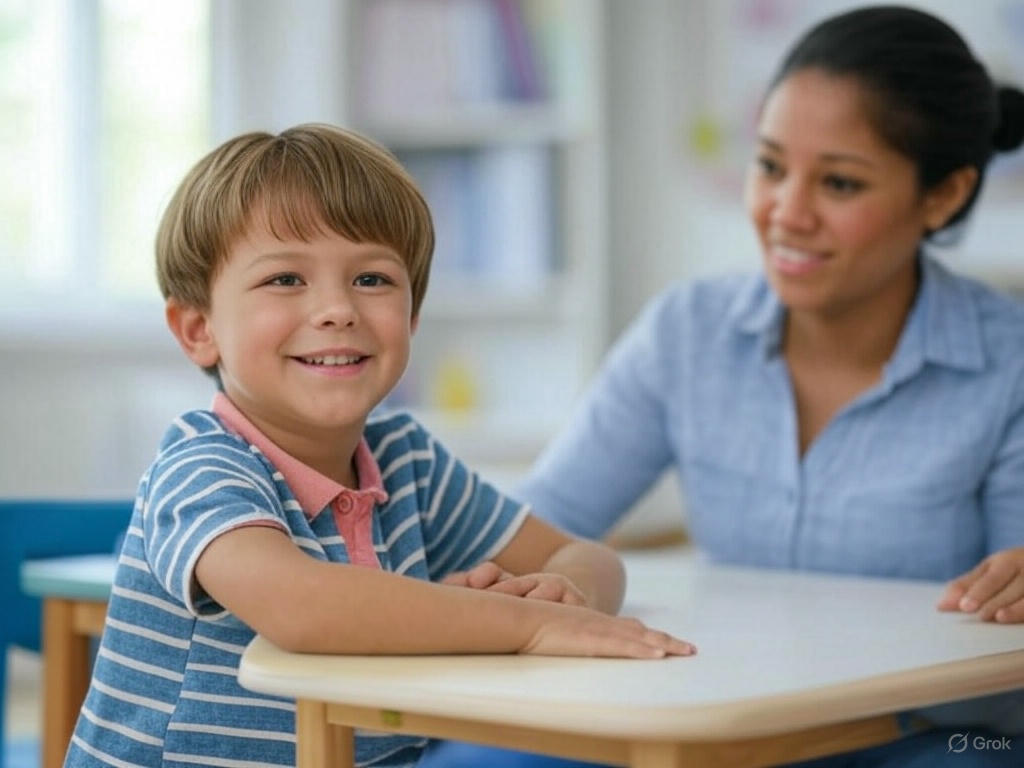


How to Prepare a Child for Their First School Year
Understanding the Importance of Early School Preparation
Preparing a child for their first school year is a crucial step in ensuring a smooth transition into formal education. Early preparation helps children develop the confidence and skills they need to thrive in a new environment. Studies show that children who are well-prepared for school tend to perform better academically and socially.
One of the key benefits of early preparation is reducing anxiety. Many children feel nervous about starting school, but familiarizing them with what to expect can ease their fears. Additionally, early preparation fosters a love for learning, setting the stage for lifelong educational success.
Parents play a pivotal role in this process. By taking proactive steps, such as introducing routines and encouraging social interactions, you can help your child feel more comfortable and excited about their first school year.
Remember, every child is unique. Tailor your approach to suit your child’s personality and developmental stage to make the preparation process enjoyable and effective.
Setting Realistic Expectations for Your Child’s First School Year
It’s important to set realistic expectations when preparing a child for their first school year. Understand that this is a significant milestone, and your child may need time to adjust to the new environment and routines.
Start by discussing what school will be like. Use simple language to explain activities such as learning, playing, and making friends. Avoid overwhelming your child with too much information at once.
Be patient with your child’s progress. Some children adapt quickly, while others may take weeks or even months to feel comfortable. Celebrate small achievements, such as making a new friend or completing a simple task, to build their confidence.
Finally, communicate with teachers to understand what is expected of your child. This will help you align your efforts at home with the school’s goals, ensuring a cohesive approach to your child’s development.
Building a Positive Attitude Toward School
Creating a positive attitude toward school is essential when learning how to prepare a child for their first school year. Children often mirror their parents’ emotions, so it’s important to express enthusiasm and excitement about this new chapter.
Share stories about your own school experiences, focusing on the fun and rewarding aspects. Highlight activities your child might enjoy, such as art projects, storytime, or playing on the playground.
Encourage your child to ask questions about school. Address their concerns with empathy and reassurance. For example, if they’re worried about making friends, explain that many children feel the same way and that teachers are there to help.
Consider visiting the school together before the first day. Familiarizing your child with the environment can help them feel more comfortable and excited about starting their first school year.
Establishing a Consistent Daily Routine Before School Starts
Establishing a consistent daily routine is a key step in preparing a child for their first school year. A predictable schedule helps children feel secure and reduces stress as they transition to a structured school day.
Start by setting regular wake-up and bedtime hours. Gradually adjust these times to align with the school schedule. Consistent sleep patterns are essential for your child’s physical and mental well-being.
Introduce a morning routine that includes getting dressed, eating breakfast, and packing a bag. Practice this routine a few weeks before school starts to help your child become familiar with the process.
Don’t forget to include downtime in the routine. After-school relaxation or playtime is important for balancing structured activities and free play, ensuring your child remains happy and engaged.
Introducing Basic Academic Skills at Home
Introducing basic academic skills at home is an effective way to prepare a child for their first school year. Focus on foundational skills such as recognizing letters, numbers, shapes, and colors.
Engage your child in fun, hands-on activities. For example, use flashcards to teach the alphabet or play counting games with everyday objects like toys or snacks. These activities make learning enjoyable and interactive.
Reading together is another excellent way to build academic readiness. Choose age-appropriate books and encourage your child to ask questions or point out pictures. This fosters language development and a love for reading.
Remember, the goal is to spark curiosity and interest in learning, not to pressure your child. Keep activities lighthearted and celebrate their progress to build confidence and enthusiasm.
Encouraging Social Skills and Interaction with Peers
Social skills are just as important as academic skills when preparing a child for their first school year. Encourage your child to interact with peers through playdates, community events, or group activities.
Role-playing can also help your child practice social scenarios. For example, you can pretend to be a classmate and practice sharing toys or taking turns. This helps your child understand social norms and expectations.
Teach your child simple phrases for starting conversations, such as “Can I play with you?” or “What’s your name?” These phrases can boost their confidence in social settings.
Finally, model positive social behavior at home. Show kindness, patience, and respect in your interactions, as children often learn by observing their parents.
Familiarizing Your Child with the School Environment
Familiarizing your child with the school environment is a critical step in learning how to prepare a child for their first school year. Visit the school together to explore the classrooms, playground, and other facilities.
If possible, arrange a meeting with your child’s teacher before the first day. This helps your child associate the teacher with a friendly face, making the transition easier.
Point out key areas such as the restroom, cafeteria, and pick-up/drop-off points. Knowing where things are can help your child feel more confident and independent.
Some schools offer orientation programs for new students. Take advantage of these opportunities to help your child become more comfortable with the school environment and routines.
Choosing the Right School Supplies for a Smooth Start
Choosing the right school supplies is an important part of preparing a child for their first school year. Involve your child in the process to make it an exciting experience.
Start by reviewing the school’s supply list. Ensure you have all the essentials, such as a backpack, lunchbox, notebooks, and pencils. Let your child pick items in their favorite colors or designs to build excitement.
Label all supplies with your child’s name to prevent them from getting lost. This is especially important for younger children who may misplace items easily.
Consider purchasing extra supplies to keep at home for homework or projects. Being well-prepared ensures a smooth start to your child’s first school year.
Managing First-Day Jitters and Separation Anxiety
Managing first-day jitters and separation anxiety is a common challenge when preparing a child for their first school year. Reassure your child that it’s normal to feel nervous and that they will soon feel comfortable at school.
Practice short separations before the first day. For example, leave your child with a trusted caregiver for a few hours to help them get used to being apart from you.
On the first day, keep your goodbye short and positive. Avoid lingering, as this can increase anxiety. Remind your child that you’ll be back to pick them up and that they’ll have fun at school.
Finally, stay calm and confident. Your child will pick up on your emotions, so maintaining a positive demeanor can help them feel more secure.
Supporting Your Child’s Emotional Well-Being Throughout the Year
Supporting your child’s emotional well-being is an ongoing process when learning how to prepare a child for their first school year. Regularly check in with your child to understand how they’re feeling about school.
Encourage open communication by asking specific questions, such as “What was the best part of your day?” or “Did anything make you feel upset?” Listen actively and validate their emotions.
Teach your child coping strategies for managing stress or frustration. For example, deep breathing exercises or drawing can help them process their feelings in a healthy way.
Finally, celebrate milestones and achievements throughout the year. Positive reinforcement boosts your child’s confidence and motivates them to continue doing their best.
Conclusion
Preparing a child for their first school year is a rewarding journey that sets the foundation for their academic and social success. By focusing on early preparation, realistic expectations, positive attitudes, routines, and emotional well-being, you can ensure a smooth transition for your child.
Remember, every child is unique, so adapt these strategies to meet your child’s individual needs. With patience, encouragement, and support, your child will be ready to embrace their first school year with confidence and excitement.
For more resources on inclusive education and disability screening, visit Prashast.
FAQ
- What age should I start preparing my child for their first school year?
- It’s never too early to start! Begin introducing routines and basic skills a few months before school starts to give your child ample time to adjust.
- How can I help my child overcome separation anxiety?
- Practice short separations before the first day of school and reassure your child that you’ll return. Keep goodbyes short and positive to ease their anxiety.
- What should I do if my child struggles to adapt to school?
- Communicate with their teacher to identify specific challenges. Provide extra support at home and consider seeking professional guidance if needed.