
PRASHAST Connect

Author name: Ansar Shaik

Social Skills Checklist for Preschoolers
Uncategorised

Social Skills Checklist for Preschoolers: The Ultimate Guide to Raising a Social Butterfly

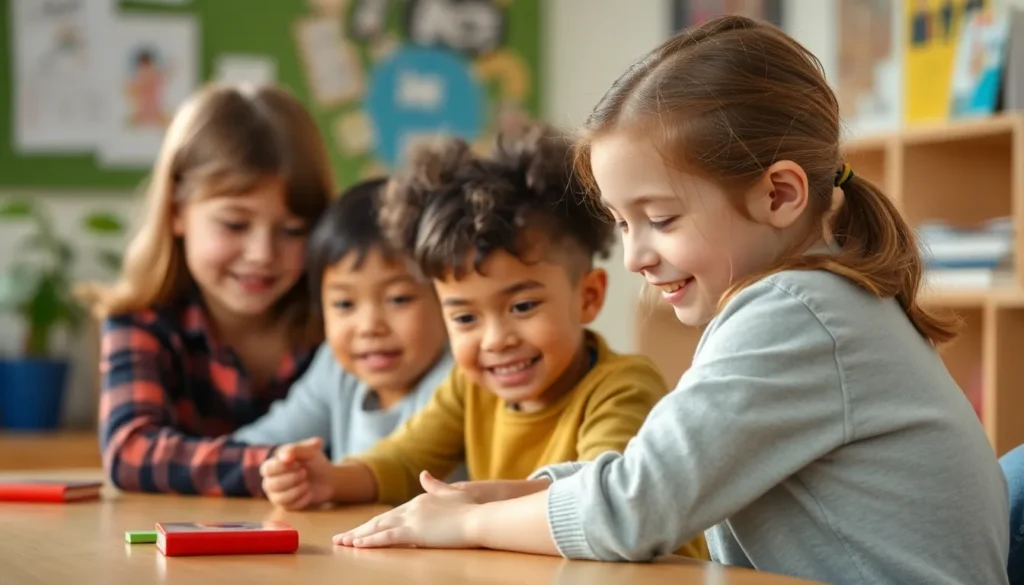
Master the art of social skills development in preschoolers with our comprehensive checklist, ensuring a strong foundation for lifelong relationships and success. Table of Contents Introduction to Social Skills Checklist for Preschoolers Why Social Skills Matter in Preschoolers Essential Social Skills for Preschoolers Effective Teaching Strategies for Social Skills Development Overcoming Common Challenges in Social Skills Development Conclusion Introduction to Social Skills Checklist for Preschoolers Social skills are the foundation of a child’s ability to interact, communicate, and form meaningful relationships with others. As a parent or caregiver, it’s essential to recognize the importance of social skills development in preschoolers. A well-structured social skills checklist for preschoolers can help identify areas of strength and weakness, providing a roadmap for targeted interventions and support. Preschoolers are like sponges, soaking up new skills and knowledge at an incredible rate. By focusing on social skills development during this critical period, you can set your child up for lifelong success in academics, relationships, and beyond. Why Social Skills Matter in Preschoolers Social skills are crucial for preschoolers as they lay the groundwork for future relationships, academic performance, and emotional well-being. Children who develop strong social skills are more likely to: Form healthy relationships with peers and adults Excel academically, with improved attention and cooperation Develop emotional intelligence and empathy Build resilience and coping skills Conversely, children who struggle with social skills may face challenges in these areas, making it essential to prioritize social skills development in preschoolers. Essential Social Skills for Preschoolers A comprehensive social skills checklist for preschoolers should include the following essential skills: Communication: verbal and non-verbal Cooperation: taking turns, sharing, and working together Empathy: understanding and recognizing others’ feelings Initiation: starting conversations and interactions Responsiveness: responding to others’ initiations Conflict Resolution: managing disagreements and finding solutions By focusing on these essential skills, you can create a solid foundation for your child’s social development. Effective Teaching Strategies for Social Skills Development Teaching social skills to preschoolers requires creativity, patience, and consistency. Here are some effective strategies to include in your social skills checklist for preschoolers: Modeling: demonstrate desired social behaviors yourself Role-playing: practice social scenarios in a safe and controlled environment Positive Reinforcement: praise and reward desired social behaviors Storytelling: use stories to teach social skills and values Group Activities: encourage social interaction through group games and projects Remember, every child is unique, and it’s essential to tailor your approach to your child’s individual needs and learning style. Overcoming Common Challenges in Social Skills Development Despite your best efforts, you may encounter challenges in social skills development. Here are some common obstacles and strategies to overcome them: Shyness: encourage small steps, like waving or saying hello Aggression: teach alternative behaviors, like using words or taking a break Language Barriers: use visual aids and gestures to facilitate communication By being aware of these potential challenges, you can proactively develop strategies to support your child’s social skills development. Creating a Personalized Social Skills Checklist for Preschoolers A personalized social skills checklist for preschoolers should be tailored to your child’s unique needs and strengths. Consider the following factors when creating your checklist: Age and developmental stage Individual strengths and weaknesses Cultural and environmental influences By creating a personalized checklist, you can focus on the most critical social skills for your child’s development. According to Verywell Family, “Preschoolers need opportunities to practice social skills in a variety of situations and with different people.” Conclusion A comprehensive social skills checklist for preschoolers is essential for laying the groundwork for lifelong relationships, academic success, and emotional well-being. By prioritizing social skills development, you can set your child up for a bright and confident future. Remember to stay patient, consistent, and supportive throughout your child’s social skills journey. With the right approach and strategies, you can help your child develop the social skills they need to thrive. Explore more social-emotional learning activities and strategies to support your child’s development.

How to Develop a Positive Self-Image in Children
Uncategorised

How to Develop a Positive Self-Image in Children: The Ultimate Guide to Raising Confident Kids

Learn how to develop a positive self-image in children with our comprehensive guide, packed with proven tips and strategies to help kids build confidence and self-esteem. Table of Contents Introduction The Importance of a Positive Self-Image in Children Building Blocks of a Positive Self-Image in Children Practical Tips for Developing a Positive Self-Image in Children Common Challenges and How to Overcome Them Conclusion Introduction to How to Develop a Positive Self-Image in Children Every parent wants their child to grow up with a positive self-image, feeling confident and capable of achieving their goals. A positive self-image is essential for a child’s emotional and mental well-being, and it’s crucial to develop it from an early age. However, with the increasing pressure to conform to societal norms and the constant exposure to social media, it’s becoming more challenging for children to develop a positive self-image. As a parent, it’s essential to understand how to develop a positive self-image in children and provide them with the necessary tools to build confidence and self-esteem. The Importance of a Positive Self-Image in Children A positive self-image is vital for a child’s overall development, as it affects their mental health, relationships, and academic performance. Children with a positive self-image are more likely to: Develop healthy relationships with others Achieve academic success and pursue their passions Build resilience and cope with challenges Develop a growth mindset and embrace failures as opportunities for growth Building Blocks of a Positive Self-Image in Children A positive self-image is built on a foundation of self-awareness, self-acceptance, and self-compassion. Children need to develop these building blocks to build a strong and positive self-image. Self-awareness is the ability to recognize and understand one’s strengths, weaknesses, and emotions. Children need to develop self-awareness to identify their strengths and weaknesses and make informed decisions. Self-acceptance is the ability to accept and love oneself, flaws and all. Children need to develop self-acceptance to build confidence and self-esteem. Self-compassion is the ability to treat oneself with kindness and understanding, especially during difficult times. Children need to develop self-compassion to build resilience and cope with challenges. Practical Tips for Developing a Positive Self-Image in Children Here are some practical tips to help you develop a positive self-image in children: Practice positive reinforcement: Focus on praising your child’s efforts and achievements, rather than their natural abilities. Encourage self-expression: Provide opportunities for your child to express themselves through art, music, or writing. Foster a growth mindset: Encourage your child to view failures as opportunities for growth and learning. Model positive behavior: Children learn from what they see, so it’s essential to model positive behavior and self-talk. Common Challenges and How to Overcome Them Developing a positive self-image in children can be challenging, especially with the increasing pressure to conform to societal norms. Here are some common challenges and how to overcome them: Challenge: Social media pressure Solution: Limit social media exposure and encourage offline activities Challenge: Negative self-talk Solution: Encourage positive self-talk and self-compassion Challenge: Bullying and peer pressure Solution: Teach your child to stand up for themselves and seek help when needed Additional Tips for How to Develop a Positive Self-Image in Children Here are some additional tips to help you develop a positive self-image in children: According to Psychology Today, children with a positive self-image are more likely to achieve academic success and build healthy relationships. Building self-esteem in children is an essential step in developing a positive self-image. Conclusion Developing a positive self-image in children is a crucial step in helping them build confidence, self-esteem, and resilience. By following the practical tips and strategies outlined in this guide, you can help your child develop a positive self-image and set them up for success in life. Remember, every child is unique, and it’s essential to tailor your approach to their individual needs and personality. With patience, consistency, and positive reinforcement, you can help your child develop a positive self-image and thrive in life.

The Importance of Movement Breaks for Kids
Uncategorised

The Importance of Movement Breaks for Kids: The Ultimate Guide to Boosting Physical and Mental Health

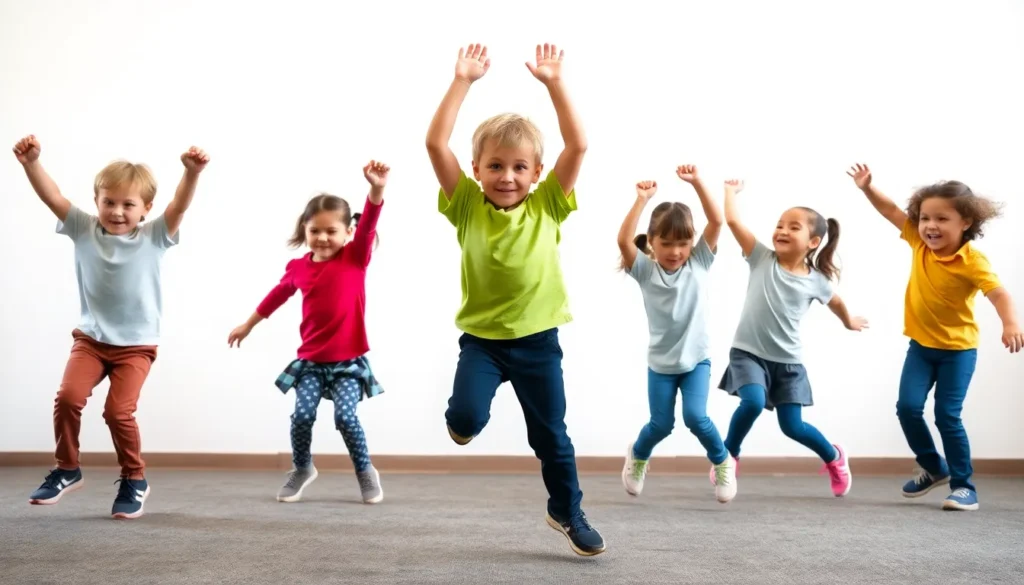
Discover the importance of movement breaks for kids and how incorporating physical activity into their daily routine can improve their overall well-being and academic performance. Table of Contents Introduction to The Importance of Movement Breaks for Kids The Benefits of Movement Breaks for Kids’ Health and Development Types of Movement Breaks for Kids: Finding What Works Best Incorporating Movement Breaks into Daily Routine: Tips and Strategies Overcoming Barriers to Movement Breaks: Common Challenges and Solutions Conclusion: The Importance of Prioritizing Movement Breaks for Kids Introduction to The Importance of Movement Breaks for Kids In today’s digital age, it’s no secret that kids are spending more time sitting and less time engaging in physical activity. This sedentary lifestyle can have serious consequences on their physical and mental health, including obesity, decreased focus, and increased anxiety. However, incorporating movement breaks into their daily routine can be a game-changer. In this article, we’ll explore the importance of movement breaks for kids and provide practical tips on how to incorporate them into their daily lives. The Benefits of Movement Breaks for Kids’ Health and Development Movement breaks offer a wide range of benefits for kids’ health and development. Regular physical activity has been shown to improve cardiovascular health, strengthen bones, and reduce the risk of obesity. Moreover, movement breaks can also have a positive impact on kids’ mental health, reducing stress and anxiety, and improving their overall mood. According to the Centers for Disease Control and Prevention, regular physical activity can also improve kids’ academic performance, including better grades and higher test scores. This is because physical activity has been shown to improve cognitive function, including concentration, memory, and problem-solving skills. Types of Movement Breaks for Kids: Finding What Works Best There are many types of movement breaks that can be incorporated into kids’ daily routine, and the key is to find what works best for them. Some kids may enjoy structured activities like sports teams or dance classes, while others may prefer free play or simply running around outside. One of the most effective types of movement breaks is high-intensity interval training (HIIT). HIIT involves short bursts of intense physical activity followed by brief periods of rest. This type of exercise has been shown to improve cardiovascular health, increase muscle strength, and boost metabolism. Incorporating Movement Breaks into Daily Routine: Tips and Strategies Incorporating movement breaks into kids’ daily routine can be challenging, but there are many tips and strategies that can make it easier. One of the most effective ways is to schedule movement breaks into their daily routine, such as right after breakfast or before homework time. Another strategy is to find activities that kids enjoy, such as riding a bike, playing tag, or dancing to their favorite music. This can make movement breaks feel more like playtime than a chore. Additionally, incorporating movement breaks into family time, such as going for a walk or bike ride together, can be a great way to spend quality time together while also promoting physical activity. Overcoming Barriers to Movement Breaks: Common Challenges and Solutions Despite the many benefits of movement breaks, there are many barriers that can prevent kids from engaging in regular physical activity. One of the most common challenges is a lack of time, with many kids having busy schedules filled with schoolwork, extracurricular activities, and screen time. Another common challenge is a lack of access to safe outdoor spaces or resources, such as playgrounds or sports equipment. However, there are many solutions to these challenges, such as finding indoor activities, like yoga or dance, or using household items, like stairs or jump ropes, to get kids moving. The Importance of Movement Breaks for Kids’ Overall Well-being The importance of movement breaks for kids cannot be overstated. Regular physical activity has been shown to have a positive impact on kids’ physical and mental health, academic performance, and overall well-being. By incorporating movement breaks into their daily routine, kids can develop healthy habits that will last a lifetime. Conclusion: The Importance of Prioritizing Movement Breaks for Kids In conclusion, movement breaks are a critical component of kids’ overall health and development. By incorporating regular physical activity into their daily routine, kids can improve their physical and mental health, academic performance, and overall well-being. As parents, caregivers, and educators, it’s our responsibility to prioritize movement breaks and provide kids with the opportunities they need to thrive. For more information on the importance of physical activity for kids, check out our article on The Benefits of Physical Activity for Kids. Additionally, the World Health Organization provides a wealth of information on the importance of physical activity for kids and adults alike.

Leadership Skills in Early Childhood
Uncategorised

Leadership Skills in Early Childhood: The Ultimate Guide to Unlocking Potential

Table of Contents Introduction to Leadership Skills in Early Childhood Why Leadership Skills in Early Childhood Matter Identifying Early Signs of Leadership in Children Encouraging Leadership Skills in Early Childhood: Tips and Strategies Overcoming Challenges in Developing Leadership Skills in Early Childhood Conclusion Introduction to Leadership Skills in Early Childhood Leadership skills are often associated with adults, but the truth is that these skills can be developed and nurtured from a very young age. In fact, research suggests that early childhood is a critical period for developing leadership skills, as it lays the foundation for future success. As parents, educators, and caregivers, it’s essential to recognize the importance of leadership skills in early childhood and take steps to encourage their development. Why Leadership Skills in Early Childhood Matter Developing leadership skills in early childhood has numerous benefits, including increased confidence, improved communication skills, and enhanced problem-solving abilities. According to a study by the Child Development Institute, children who develop leadership skills early on are more likely to excel academically, socially, and emotionally. Moreover, leadership skills in early childhood can help children develop essential life skills, such as empathy, self-awareness, and resilience. Identifying Early Signs of Leadership in Children So, how do you identify early signs of leadership in children? Some common traits to look out for include: Initiative, creativity, and a willingness to take risks are all indicative of leadership potential. Children who demonstrate empathy and compassion towards their peers, and who take the initiative to help others, are also showing early signs of leadership. Encouraging Leadership Skills in Early Childhood: Tips and Strategies Now that we’ve discussed the importance of leadership skills in early childhood, let’s explore some practical tips and strategies for encouraging their development: Provide opportunities for children to take on leadership roles, such as leading a group project or activity. Encourage children to express their thoughts and opinions, and provide a safe and supportive environment for them to do so. Foster a growth mindset by praising effort and progress, rather than just results. Watch this video to learn more about how to encourage leadership skills in early childhood: Overcoming Challenges in Developing Leadership Skills in Early Childhood While encouraging leadership skills in early childhood is crucial, it’s not without its challenges. One common challenge is dealing with children who may struggle with sharing leadership roles or working collaboratively. Another challenge is finding ways to provide opportunities for leadership development in a group setting, where every child may not get a chance to take on a leadership role. For more information on overcoming challenges in developing leadership skills in early childhood, check out this article by Education.com. Conclusion In conclusion, leadership skills in early childhood are essential for future success and can be developed and nurtured from a very young age. By recognizing the importance of leadership skills, identifying early signs of leadership, and providing opportunities for development, we can help shape the next generation of leaders. Remember, leadership skills are not limited to a select few – every child has the potential to develop these skills with the right support and encouragement. For more information on child development and education, check out our related post on The Importance of Early Childhood Education.

How to Support Early Writing Readiness
Uncategorised

How to Support Early Writing Readiness: The Ultimate Guide to Building a Strong Foundation

Learn how to support early writing readiness in young children with our comprehensive guide, covering essential tips and strategies for a strong foundation. Table of Contents Introduction to How to Support Early Writing Readiness Creating a Writing-Friendly Environment Developing Fine Motor Skills for Writing Encouraging Early Writing Behaviors How to Support Early Writing Readiness at Home Conclusion Introduction to How to Support Early Writing Readiness Supporting early writing readiness is a critical aspect of a child’s educational journey. It lays the foundation for future academic success and helps develop essential skills that benefit them throughout their lives. As a parent or educator, it’s essential to understand how to support early writing readiness effectively. Research suggests that early writing experiences have a significant impact on a child’s literacy development and overall academic achievement (National Institute of Child Health and Human Development, 2000). In this post, we’ll explore the essential strategies and tips to support early writing readiness in young children. Creating a Writing-Friendly Environment A writing-friendly environment is crucial for encouraging early writing behaviors. It’s essential to create a space that fosters creativity, experimentation, and exploration. Here are some tips to create a writing-friendly environment: Provide a variety of writing tools, such as crayons, markers, and pencils. Make writing surfaces available, like paper, chalkboards, and whiteboards. Display writing samples and models to inspire children. Encourage children to write for different purposes, like drawing, labeling, and storytelling. Developing Fine Motor Skills for Writing Fine motor skills are essential for writing. Children need to develop the ability to hold writing tools, manipulate them, and move them to create written symbols. Here are some activities to develop fine motor skills for writing: Playdough manipulation: Use playdough to strengthen hand and finger muscles. Finger exercises: Use finger puppets, finger painting, or finger isolation exercises. Using tweezers: Practice picking up small objects to develop pincer grasp. Stacking and nesting: Engage in activities that require fine motor control, like stacking blocks or nesting cups. Encouraging Early Writing Behaviors Encouraging early writing behaviors is critical for supporting early writing readiness. Here are some strategies to promote early writing behaviors: Make writing a part of daily routines, like writing their name, tracing shapes, or creating simple drawings. Use verbal prompts to encourage writing, such as “Can you write your name?” or “What’s your favorite letter?” Provide opportunities for children to write for different purposes, like writing a message to a friend or creating a list. Offer positive reinforcement and feedback to encourage children to continue writing. How to Support Early Writing Readiness at Home Supporting early writing readiness at home is crucial for reinforcing skills learned in the classroom. Here are some tips to support early writing readiness at home: Engage in writing activities with your child, like writing a story together or creating a shopping list. Provide a variety of writing materials, like paper, pencils, and markers. Make writing a part of daily routines, like writing a journal entry or creating a to-do list. Visit the Scholastic website for more resources on teaching your child to write. Conclusion In conclusion, supporting early writing readiness is a critical aspect of a child’s educational journey. By creating a writing-friendly environment, developing fine motor skills, encouraging early writing behaviors, and supporting early writing readiness at home, you can lay a strong foundation for future academic success. Remember, every child develops at their own pace, so it’s essential to be patient and provide opportunities for practice and reinforcement. With these strategies and tips, you can help your child develop the essential skills they need to succeed in writing and beyond. For more information on early childhood education, visit the Early Childhood Education Importance post. Share your experiences and tips on how to support early writing readiness in the comments below!

Activities That Promote Logical Thinking in Kids
Uncategorised

Activities That Promote Logical Thinking in Kids: The Ultimate Guide to Raising Smart Thinkers

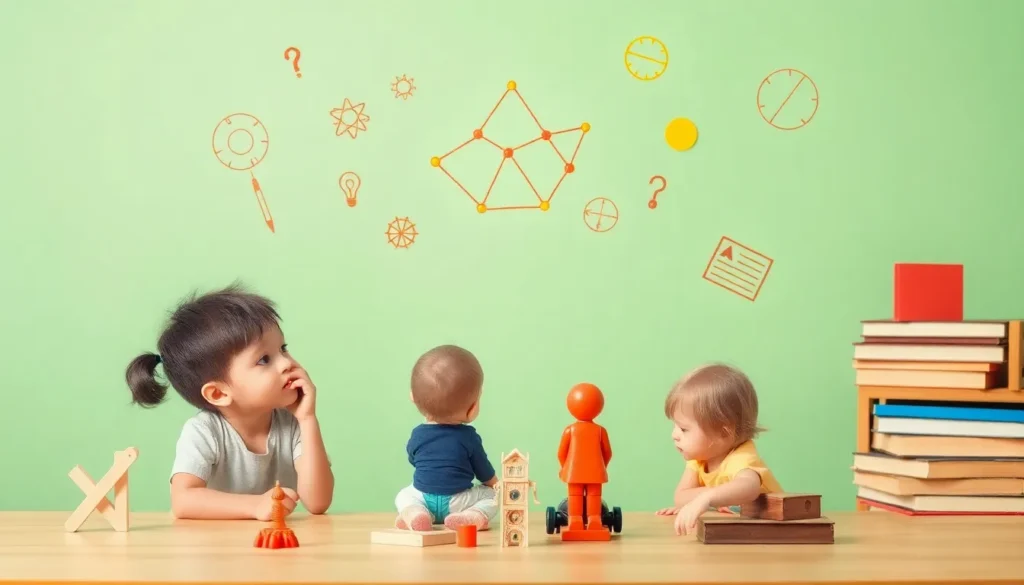
Table of Contents Introduction to Activities That Promote Logical Thinking in Kids The Importance of Logical Thinking in Children Types of Logical Thinking Activities for Kids Activities That Promote Logical Thinking in Kids: Examples and Ideas Tips for Parents and Educators to Encourage Logical Thinking Conclusion Introduction to Activities That Promote Logical Thinking in Kids Logical thinking is an essential skill for kids to develop in today’s fast-paced, ever-changing world. It enables them to make informed decisions, solve complex problems, and think critically. As a parent or educator, you play a significant role in promoting logical thinking in kids. In this guide, we’ll explore the importance of logical thinking, types of activities that promote it, and provide examples and ideas to get you started. The Importance of Logical Thinking in Children Logical thinking is vital for kids’ cognitive development, as it helps them process information, analyze situations, and make sound judgments. It also enhances their problem-solving skills, enabling them to tackle complex challenges and adapt to new situations. Moreover, logical thinking promotes independence, self-confidence, and better decision-making skills. According to a study by the National Center for Education Statistics, students who develop logical thinking skills perform better academically and have a lower risk of dropping out of school. (Source) Types of Logical Thinking Activities for Kids There are various types of activities that promote logical thinking in kids, including: Puzzles and brain teasers Logic games and board games Problem-solving exercises Science experiments and projects Critical thinking exercises These activities help kids develop essential skills like analysis, evaluation, and synthesis, which are crucial for logical thinking. Activities That Promote Logical Thinking in Kids: Examples and Ideas Here are some examples and ideas for activities that promote logical thinking in kids: Sorting and categorizing objects based on their characteristics Solving mazes and labyrinths Playing chess, Sudoku, or other strategy games Conducting simple science experiments, like making a volcano or growing plants Creating logic grids or charts to solve problems For instance, you can create a “What’s Missing?” game, where kids have to identify the missing object in a series of pictures. This activity promotes logical thinking by encouraging kids to analyze patterns and make connections. Another example is the “Tangram Puzzle,” which involves using shapes to create different objects. This activity develops spatial awareness, problem-solving skills, and logical thinking. Tips for Parents and Educators to Encourage Logical Thinking To encourage logical thinking in kids, parents and educators can: Ask open-ended questions that promote critical thinking Encourage kids to explain their thought process and reasoning Provide opportunities for kids to engage in logical thinking activities Foster a growth mindset, emphasizing effort and persistence over talent Model logical thinking behaviors themselves, demonstrating how to approach problems systematically By incorporating these tips into your daily routine, you can create an environment that promotes logical thinking and helps kids develop this essential skill. Activities That Promote Logical Thinking in Kids: A Long-Term Investment Investing time and effort into promoting logical thinking in kids can have long-term benefits, including improved academic performance, better decision-making skills, and increased independence. Conclusion In conclusion, activities that promote logical thinking in kids are essential for their cognitive development, problem-solving skills, and future success. By understanding the importance of logical thinking, exploring different types of activities, and incorporating them into your daily routine, you can help kids develop this vital skill. Remember, promoting logical thinking in kids is a long-term investment that can have a lasting impact on their lives. For more information on promoting logical thinking in kids, check out our related post on Cognitive Development in Children: A Comprehensive Guide.

Why Free Play is Critical for Emotional Growth
Uncategorised

Why Free Play is Critical for Emotional Growth: The Ultimate Guide to Unlocking Childhood Potential

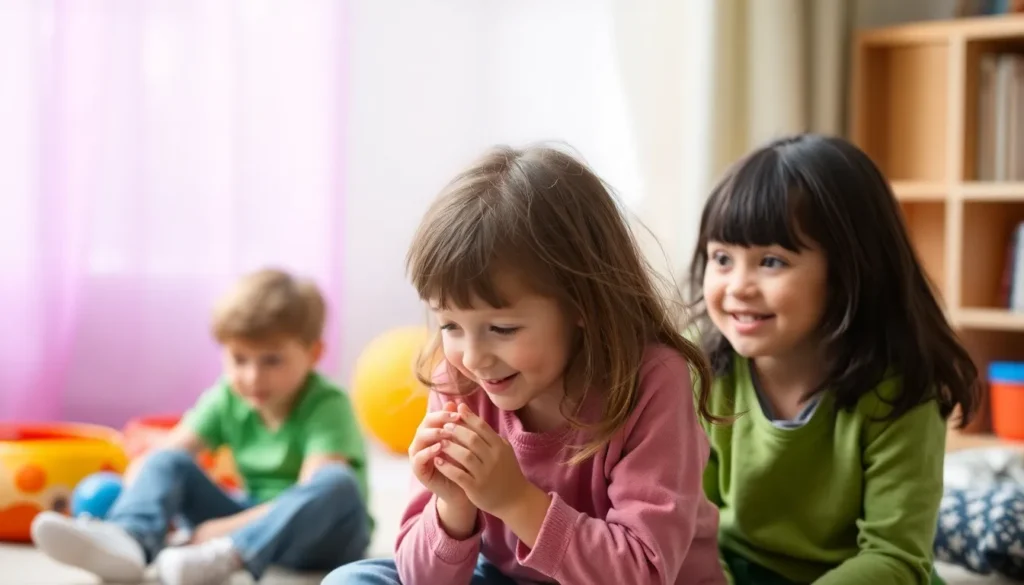
Discover the importance of free play in emotional growth and development, and learn how to incorporate it into your child’s daily routine for a happier, healthier childhood. Table of Contents Introduction to Why Free Play is Critical for Emotional Growth The Importance of Free Play in Childhood Development How Free Play Affects Emotional Growth and Development The Benefits of Free Play for Emotional Growth and Well-being Incorporating Free Play into Your Child’s Daily Routine Overcoming Barriers to Free Play and Encouraging Emotional Growth Conclusion Introduction to Why Free Play is Critical for Emotional Growth In today’s fast-paced, technology-driven world, it’s easy to overlook the importance of free play in childhood development. However, free play is a critical component of emotional growth, allowing children to explore, learn, and develop essential life skills. Free play is unstructured, spontaneous, and driven by the child’s interests and imagination. It’s the opposite of structured activities, such as sports or music lessons, which are often adult-led and focused on specific outcomes. The Importance of Free Play in Childhood Development Free play is essential for childhood development, as it allows children to develop critical skills, such as problem-solving, creativity, and social skills. According to the United Nations Children’s Fund (UNICEF), free play is a fundamental right of childhood, essential for healthy development and well-being. How Free Play Affects Emotional Growth and Development Free play has a profound impact on emotional growth and development, allowing children to develop emotional regulation skills, such as self-awareness, self-control, and empathy. During free play, children are able to explore and express their emotions in a safe and supportive environment, developing a deeper understanding of themselves and others. The Benefits of Free Play for Emotional Growth and Well-being The benefits of free play for emotional growth and well-being are numerous, including: Improved emotional regulation skills Enhanced creativity and imagination Developed social skills and empathy Increased self-confidence and self-esteem Better problem-solving and critical thinking skills By incorporating free play into your child’s daily routine, you can help them develop these essential skills, setting them up for a lifetime of emotional growth and well-being. Incorporating Free Play into Your Child’s Daily Routine Incorporating free play into your child’s daily routine can be simple and fun. Here are some tips to get you started: Set aside dedicated time for free play each day Provide a safe and supportive environment for free play Encourage imagination and creativity Avoid adult-led activities and let your child take the lead By prioritizing free play, you can help your child develop essential emotional growth and development skills, setting them up for a happy, healthy childhood. Overcoming Barriers to Free Play and Encouraging Emotional Growth Despite the importance of free play, many children face barriers to engaging in this essential activity. Common barriers include: Screen time and technology addiction Structured activities and adult-led programs Lack of access to safe outdoor play spaces By overcoming these barriers and prioritizing free play, you can help your child develop essential emotional growth and development skills, setting them up for a lifetime of happiness and well-being. Learn more about the importance of outdoor play in childhood development. Conclusion In conclusion, why free play is critical for emotional growth is a topic that cannot be overstated. By prioritizing free play and incorporating it into your child’s daily routine, you can help them develop essential emotional growth and development skills, setting them up for a happy, healthy childhood. Remember, free play is not just a luxury, but a necessity for childhood development. By overcoming barriers and embracing the power of free play, you can help your child thrive and reach their full potential. Learn more about how to create a play-friendly home environment that encourages free play and emotional growth.

How to Handle Sibling Rivalry Positively
Uncategorised

How to Handle Sibling Rivalry Positively: The Ultimate Guide to Harmonious Family Relationships

Learn effective strategies on how to handle sibling rivalry positively, fostering a loving and respectful environment for your children to thrive. Table of Contents Introduction Understanding Sibling Rivalry Encouraging Positive Behavior Managing Conflict and Teaching Resolution Skills Fostering Emotional Intelligence and Empathy Creating a Positive Family Culture Conclusion Introduction to How to Handle Sibling Rivalry Positively Sibling rivalry is a natural part of growing up, but it can be challenging for parents to navigate. As a parent, you want to create a loving and respectful environment for your children to thrive. However, sibling rivalry can lead to conflict, hurt feelings, and a sense of competition. In this guide, we will explore the best ways on how to handle sibling rivalry positively, fostering a harmonious family relationship. By understanding the root causes of sibling rivalry and implementing effective strategies, you can help your children develop essential life skills, such as communication, empathy, and conflict resolution. This, in turn, will create a positive and supportive family culture. Understanding Sibling Rivalry: The Causes and Effects Sibling rivalry is a complex phenomenon that can arise from various factors, including individual personalities, birth order, and parenting styles. It’s essential to understand the root causes of sibling rivalry to develop effective strategies for managing it. According to the American Psychological Association, sibling rivalry can be attributed to factors such as jealousy, competition for resources, and individual differences in personality and temperament. Additionally, parenting styles, such as favoritism or inconsistent discipline, can exacerbate sibling rivalry. Encouraging Positive Behavior: Teaching Empathy and Respect Encouraging positive behavior is crucial in teaching your children how to handle sibling rivalry positively. By modeling empathetic and respectful behavior, you can help your children develop essential life skills. One effective strategy is to practice active listening, where you acknowledge and validate your child’s feelings. This helps to create a safe and supportive environment, encouraging your children to express themselves openly. You can also teach empathy by encouraging your children to put themselves in their sibling’s shoes. Ask them how they would feel if they were in their sibling’s position, promoting understanding and compassion. The American Psychological Association provides valuable resources on sibling rivalry, including tips on how to encourage positive behavior. Managing Conflict and Teaching Resolution Skills Conflict is an inevitable part of sibling rivalry, but it’s essential to teach your children how to manage it effectively. By teaching resolution skills, you can help your children develop essential life skills, such as communication, negotiation, and problem-solving. One effective strategy is to encourage open communication, where your children can express their feelings and concerns. You can also teach your children how to use “I” statements, taking ownership of their feelings and actions. Fostering Emotional Intelligence and Empathy: The Key to Harmonious Relationships Fostering emotional intelligence is critical in teaching your children how to handle sibling rivalry positively. By developing emotional intelligence, your children can better understand their emotions and those of their siblings, leading to more harmonious relationships. One effective strategy is to label and validate your child’s emotions, helping them develop emotional awareness. You can also teach your children how to recognize and manage their emotions, promoting emotional regulation. Creating a Positive Family Culture: Encouraging Teamwork and Cooperation Creating a positive family culture is essential in fostering a loving and respectful environment for your children to thrive. By encouraging teamwork and cooperation, you can help your children develop essential life skills, such as communication, collaboration, and problem-solving. One effective strategy is to engage in family activities that promote teamwork, such as game nights or volunteer work. You can also create a sense of unity by establishing family traditions and rituals. For more information on creating a positive family culture, check out our blog post on Building a Strong Family Bond. Conclusion: How to Handle Sibling Rivalry Positively In conclusion, handling sibling rivalry positively requires a combination of understanding, empathy, and effective strategies. By teaching your children essential life skills, such as communication, empathy, and conflict resolution, you can create a loving and respectful environment for them to thrive. Remember, sibling rivalry is a natural part of growing up, but with the right approach, you can help your children develop into compassionate, respectful, and confident individuals. By implementing the strategies outlined in this guide, you can create a harmonious family relationship, where your children can grow and flourish.

Teaching Time Management Skills to Young Kids
Uncategorised

Teaching Time Management Skills to Young Kids: The Ultimate Guide to Raising Productive Children

Learn how to teach time management skills to young kids and set them up for success in life. Discover the best strategies and techniques to help your child prioritize tasks and manage their time effectively. Table of Contents Introduction to Teaching Time Management Skills to Young Kids The Importance of Teaching Time Management Skills to Young Kids Effective Strategies for Teaching Time Management Skills to Young Kids Overcoming Common Challenges When Teaching Time Management Skills to Young Kids Fun Activities to Help Young Kids Develop Time Management Skills Conclusion Introduction to Teaching Time Management Skills to Young Kids Teaching time management skills to young kids is essential for their future success. By instilling good time management habits from an early age, you can help your child develop essential skills that will benefit them throughout their lives. In this article, we will explore the importance of teaching time management skills to young kids, effective strategies for doing so, and fun activities to help them develop these skills. The Importance of Teaching Time Management Skills to Young Kids Teaching time management skills to young kids is crucial for their academic and personal success. When children learn to prioritize tasks and manage their time effectively, they are more likely to achieve their goals and develop a sense of accomplishment. Moreover, good time management skills can help reduce stress and anxiety, leading to a happier and healthier child. According to the American Academy of Pediatrics, teaching time management skills to young kids can also improve their cognitive abilities, such as problem-solving and decision-making. By teaching your child how to prioritize tasks and manage their time, you can help them develop essential life skills that will benefit them in the long run. Effective Strategies for Teaching Time Management Skills to Young Kids There are several effective strategies for teaching time management skills to young kids. One of the most effective strategies is to create a routine or schedule that outlines the tasks your child needs to complete each day. This can help them develop a sense of responsibility and accountability, as well as teach them how to prioritize tasks and manage their time effectively. Another effective strategy is to use visual aids, such as charts or calendars, to help your child visualize their tasks and deadlines. This can help them develop a sense of time awareness and understand how to allocate their time effectively. You can also teach your child how to break down large tasks into smaller, manageable chunks, and how to use a timer to keep themselves on track. These strategies can help your child develop essential time management skills that will benefit them throughout their lives. Overcoming Common Challenges When Teaching Time Management Skills to Young Kids Teaching time management skills to young kids can be challenging, especially if your child is resistant to change or struggles with self-regulation. One common challenge is getting your child to understand the importance of time management and why it’s essential for their success. Another common challenge is helping your child develop a sense of time awareness and understanding how to allocate their time effectively. This can be especially challenging for young kids who may not have a clear understanding of time concepts, such as minutes and hours. To overcome these challenges, it’s essential to be patient and consistent when teaching time management skills to young kids. You should also provide positive reinforcement and encouragement to help your child stay motivated and engaged. Fun Activities to Help Young Kids Develop Time Management Skills There are several fun activities you can do with your child to help them develop time management skills. One fun activity is to create a “to-do” list together and prioritize tasks based on importance and urgency. This can help your child develop a sense of responsibility and accountability, as well as teach them how to prioritize tasks and manage their time effectively. Another fun activity is to set a timer and challenge your child to complete a task within a certain time frame. This can help them develop a sense of time awareness and understand how to allocate their time effectively. You can also play games that require time management skills, such as puzzles or brain teasers. These games can help your child develop problem-solving skills and think critically, while also teaching them how to manage their time effectively. Conclusion In conclusion, teaching time management skills to young kids is essential for their future success. By instilling good time management habits from an early age, you can help your child develop essential skills that will benefit them throughout their lives. Remember to be patient and consistent when teaching time management skills to young kids, and provide positive reinforcement and encouragement to help them stay motivated and engaged. For more information on teaching time management skills to young kids, check out the following resources: Verywell Family: How to Teach Kids Time Management Skills Importance of Time Management for Kids: Why It Matters By following these tips and strategies, you can help your child develop good time management skills and set them up for success in life.

How to Improve Vocabulary in 3-Year-Olds
Uncategorised

How to Improve Vocabulary in 3-Year-Olds: The Ultimate Guide to Boosting Language Skills

Learn how to improve vocabulary in 3-year-olds with our expert tips and strategies, helping your child develop strong language skills for a lifelong advantage. Table of Contents Introduction Creating a Language-Rich Environment Reading Aloud: A Powerful Vocabulary Builder Encouraging Conversation and Building Relationships Using Real Objects to Teach Vocabulary Making Vocabulary Learning Fun and Engaging Conclusion Introduction to How to Improve Vocabulary in 3-Year-Olds At three years old, children are like sponges, absorbing new information and learning at an incredible rate. Developing a strong vocabulary is essential for their future academic success and social interactions. As a parent or caregiver, you play a vital role in helping your child build a robust vocabulary. In this article, we’ll explore the best ways to improve vocabulary in 3-year-olds, providing you with actionable tips and strategies to support their language development. Creating a Language-Rich Environment To improve vocabulary in 3-year-olds, it’s essential to create a language-rich environment that fosters a love for words and communication. This can be achieved by: Talking to your child regularly, using descriptive language to explain objects, actions, and emotions. Labeling objects and pictures, encouraging your child to repeat the words. Playing word games, such as “What’s the opposite of…?” or “Can you think of a word that starts with…?” According to the National Institute of Child Health and Human Development, a language-rich environment can have a significant impact on a child’s vocabulary development. By surrounding your child with words, you’re helping them build a strong foundation for future language skills. Reading Aloud: A Powerful Vocabulary Builder Reading aloud is one of the most effective ways to improve vocabulary in 3-year-olds. When you read to your child, you’re exposing them to a wide range of words, phrases, and sentence structures. This helps them develop phonological awareness, comprehension skills, and a deeper understanding of language. Choose books with engaging stories, colorful illustrations, and simple language that your child can understand. As you read, point to the words and encourage your child to repeat them. This interactive approach will help them develop a love for reading and learning. Encouraging Conversation and Building Relationships Conversation is a critical component of vocabulary development. By engaging in regular conversations with your child, you’re helping them develop their language skills, build relationships, and understand the nuances of communication. Encourage your child to talk about their day, their interests, and their feelings. Listen attentively to their responses, asking open-ended questions to prompt further discussion. This will help them develop their critical thinking skills, build confidence in their language abilities, and improve their vocabulary. A study by the Harvard Family Research Project found that children who engage in regular conversations with their caregivers have better language skills, higher IQs, and stronger social skills. By encouraging conversation, you’re giving your child the gift of lifelong language skills. Using Real Objects to Teach Vocabulary Using real objects is an effective way to teach vocabulary to 3-year-olds. This approach helps them connect words with tangible objects, making language more meaningful and memorable. For example, if you’re teaching your child the word “apple,” show them a real apple, explaining its texture, taste, and smell. This multisensory approach will help them develop a deeper understanding of the word and its meaning. The National Association for the Education of Young Children recommends using real objects to teach vocabulary, as it helps children develop their critical thinking skills, problem-solving abilities, and language skills. Making Vocabulary Learning Fun and Engaging Vocabulary learning doesn’t have to be boring or tedious. By making it fun and engaging, you can encourage your child to develop a love for words and language. Try incorporating games, puzzles, and activities that promote vocabulary development, such as: Word scavenger hunts, where your child has to find objects that match specific words. Vocabulary Bingo, where your child matches words with pictures or objects. Language-themed crafts, such as making word cards or vocabulary collages. By making vocabulary learning fun, you’re helping your child develop a positive attitude towards language and learning. Conclusion In conclusion, improving vocabulary in 3-year-olds requires a multifaceted approach that incorporates a language-rich environment, reading aloud, conversation, real objects, and fun activities. By following these expert tips and strategies, you can help your child develop a strong vocabulary, setting them up for future academic success and social interactions. Remember, every child learns at their own pace, so be patient, consistent, and supportive. With time and practice, your child will develop a robust vocabulary, enabling them to communicate effectively and thrive in a rapidly changing world. Learn more about how to improve vocabulary in children from Scholastic. Discover the importance of reading aloud to children and how it can improve their language skills.

Scroll to Top