


Best Sensory Play Ideas for Brain Development: The Ultimate Guide to Unlocking Your Child’s Potential
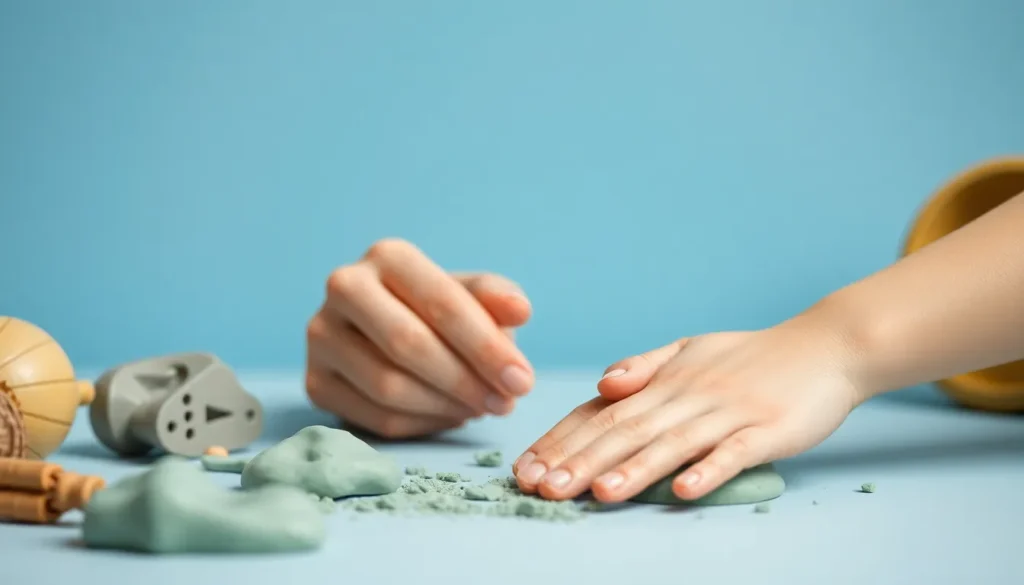
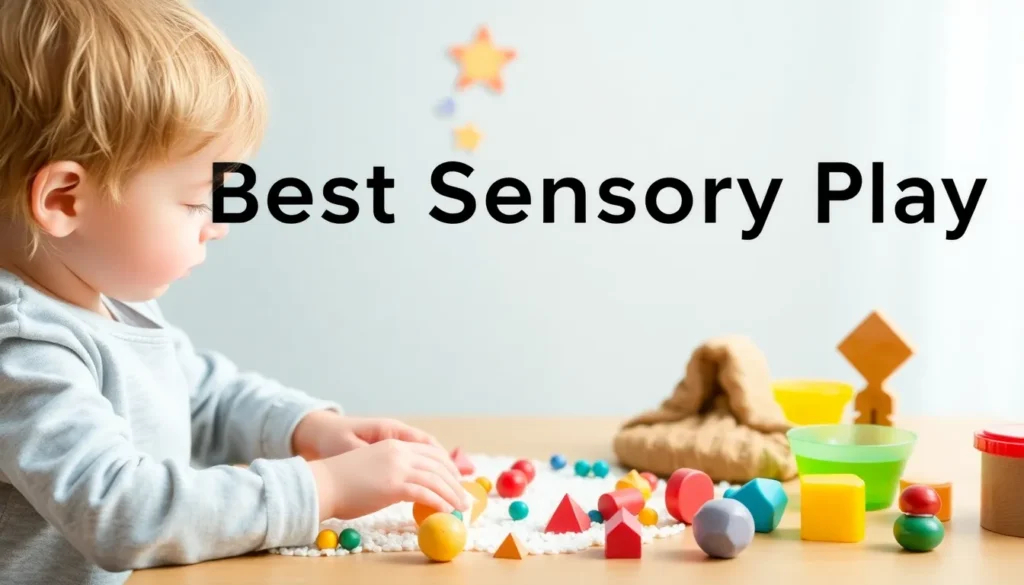
Discover the best sensory play ideas for brain development and unlock your child’s full potential with our ultimate guide, featuring expert-approved activities and tips. Table of Contents Introduction to Best Sensory Play Ideas for Brain Development The Importance of Sensory Play in Brain Development 10 Best Sensory Play Ideas for Brain Development The Benefits of Sensory Play for Brain Development Tips for Creating Effective Sensory Play Experiences Conclusion Introduction to Best Sensory Play Ideas for Brain Development Sensory play is a crucial aspect of childhood development, and it plays a significant role in shaping your child’s brain and cognitive abilities. As a parent, it’s essential to provide your child with opportunities to engage in sensory play to help them develop essential skills, such as problem-solving, critical thinking, and creativity. In this article, we’ll explore the best sensory play ideas for brain development, including activities that can be adapted to different ages and abilities. We’ll also discuss the importance of sensory play, its benefits, and provide tips for creating effective sensory play experiences. The Importance of Sensory Play in Brain Development Sensory play is essential for brain development because it helps children process and integrate sensory information from their environment. During sensory play, children engage their senses, such as touch, sight, sound, taste, and smell, to explore and understand the world around them. According to a study published in the Journal of Applied Developmental Psychology, sensory play experiences can improve cognitive skills, such as attention, memory, and problem-solving, in young children. 10 Best Sensory Play Ideas for Brain Development Here are 10 best sensory play ideas for brain development that you can try with your child: Sensory Bin Activities: Fill a bin with rice, beans, or sand and add small toys, beads, or other objects for your child to explore. Playdough Creations: Make homemade playdough using flour, water, and food coloring, and let your child shape and mold it. Finger Painting: Set up a space for your child to paint using their fingers, exploring different textures and colors. Sensory Bottles: Create sensory bottles by filling empty bottles with water, oil, and food coloring, and adding small objects, such as beads or glitter. Music and Movement: Put on some music and encourage your child to move their body, exploring different rhythms and beats. Taste Testing: Prepare a variety of foods with different textures and flavors, and have your child taste and identify them. Smell and Identify: Prepare different scented objects, such as essential oils or herbs, and have your child smell and identify them. Sand Play: Set up a sandbox or a container filled with sand, and let your child explore and build. Water Play: Engage your child in water play using cups, buckets, and sponges, exploring different textures and temperatures. Nature Walks: Take your child on a nature walk, encouraging them to explore and collect objects from nature, such as leaves, rocks, or sticks. The Benefits of Sensory Play for Brain Development Sensory play offers numerous benefits for brain development, including: Improved cognitive skills, such as attention, memory, and problem-solving Enhanced creativity and imagination Development of fine and gross motor skills Improved social skills, such as communication and empathy Increased self-confidence and self-esteem As noted by the National Association for the Education of Young Children, sensory play is essential for young children’s learning and development. Tips for Creating Effective Sensory Play Experiences Here are some tips for creating effective sensory play experiences for your child: Start simple and gradually introduce new textures and materials Encourage your child to explore and experiment Provide a safe and comfortable environment Be present and engage with your child during sensory play Adapt activities to your child’s age and abilities Best Sensory Play Ideas for Brain Development: A Recap In conclusion, the best sensory play ideas for brain development are those that engage your child’s senses, encourage exploration and experimentation, and provide opportunities for learning and growth. Conclusion In this article, we’ve explored the best sensory play ideas for brain development, including activities, benefits, and tips for creating effective sensory play experiences. By incorporating sensory play into your child’s daily routine, you can help them develop essential skills, such as problem-solving, critical thinking, and creativity. Remember to always supervise your child during sensory play and provide a safe and comfortable environment. With patience, creativity, and consistency, you can help your child unlock their full potential and develop a lifelong love for learning. Learn more about the importance of play-based learning in our next article.