Introduction to How to Develop Patience in Preschoolers
Patience is a vital life skill that can benefit individuals of all ages, including preschoolers. Teaching patience to young children can help them develop self-control, empathy, and understanding, leading to better relationships and a more harmonious environment.
In this guide, we will explore the importance of patience in preschoolers, how to model patience, and effective strategies for teaching patience skills to young children.
Understanding Patience in Preschoolers
Patience is the ability to tolerate delay, difficulty, or frustration without becoming agitated or upset. In preschoolers, patience is crucial for developing emotional regulation, impulse control, and social skills.
According to the American Psychological Association, teaching patience to young children can help them develop better relationships, achieve academic success, and improve their overall well-being.
Modeling Patience for Preschoolers
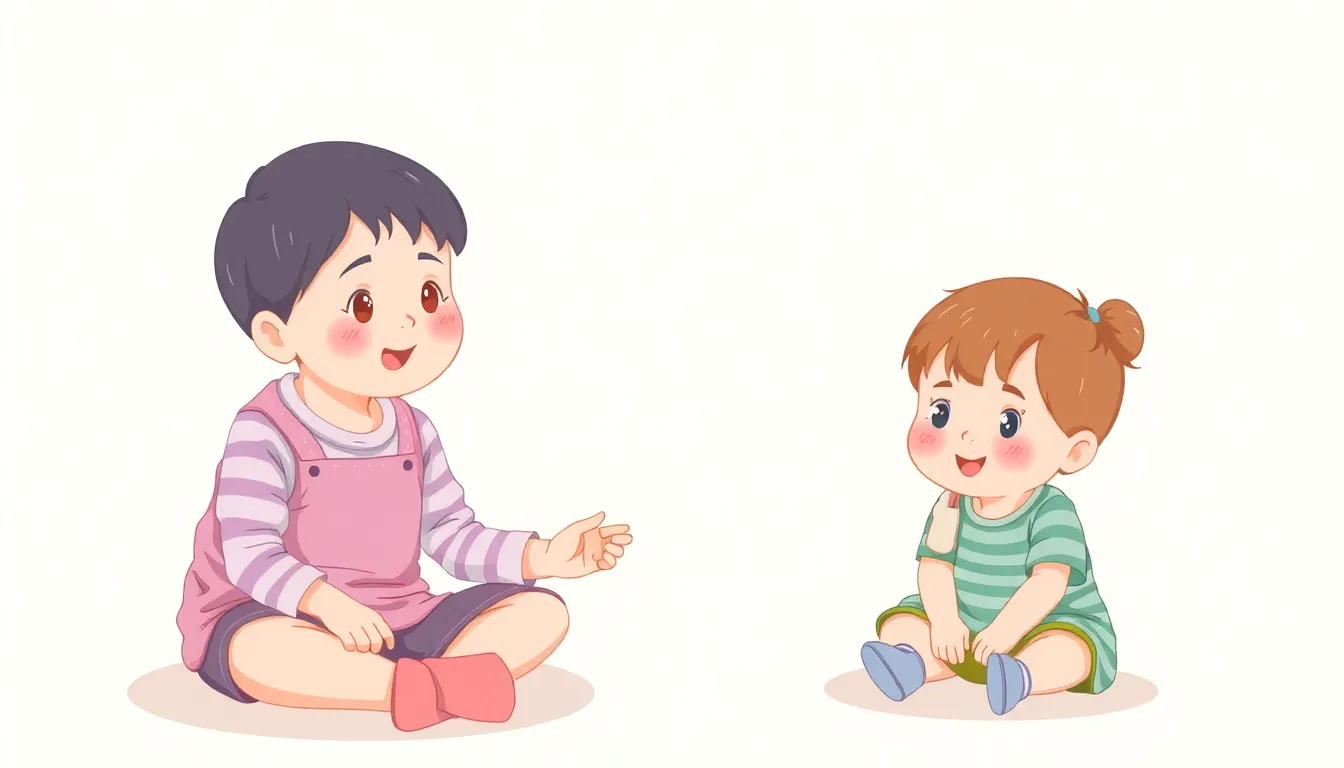
As a parent or caregiver, you are your child’s most significant role model. Children learn by observing and imitating adults, so it’s essential to model patience in your daily interactions.
When you remain calm and patient in the face of challenges, your child will learn to do the same. This can be achieved by taking deep breaths, counting to ten, or stepping away from a frustrating situation to collect your thoughts.
Teaching Patience Skills to Preschoolers
Teaching patience skills to preschoolers requires creativity, consistency, and positive reinforcement. Here are some effective strategies to get you started:
How to Develop Patience in Preschoolers through Play
Engage your child in play activities that require waiting, such as puzzles, building blocks, or baking. This will help them develop patience and understand that good things come to those who wait.
Encourage your child to take turns, share toys, and engage in group activities that promote social skills and patience.
Encouraging Patience in Daily Life
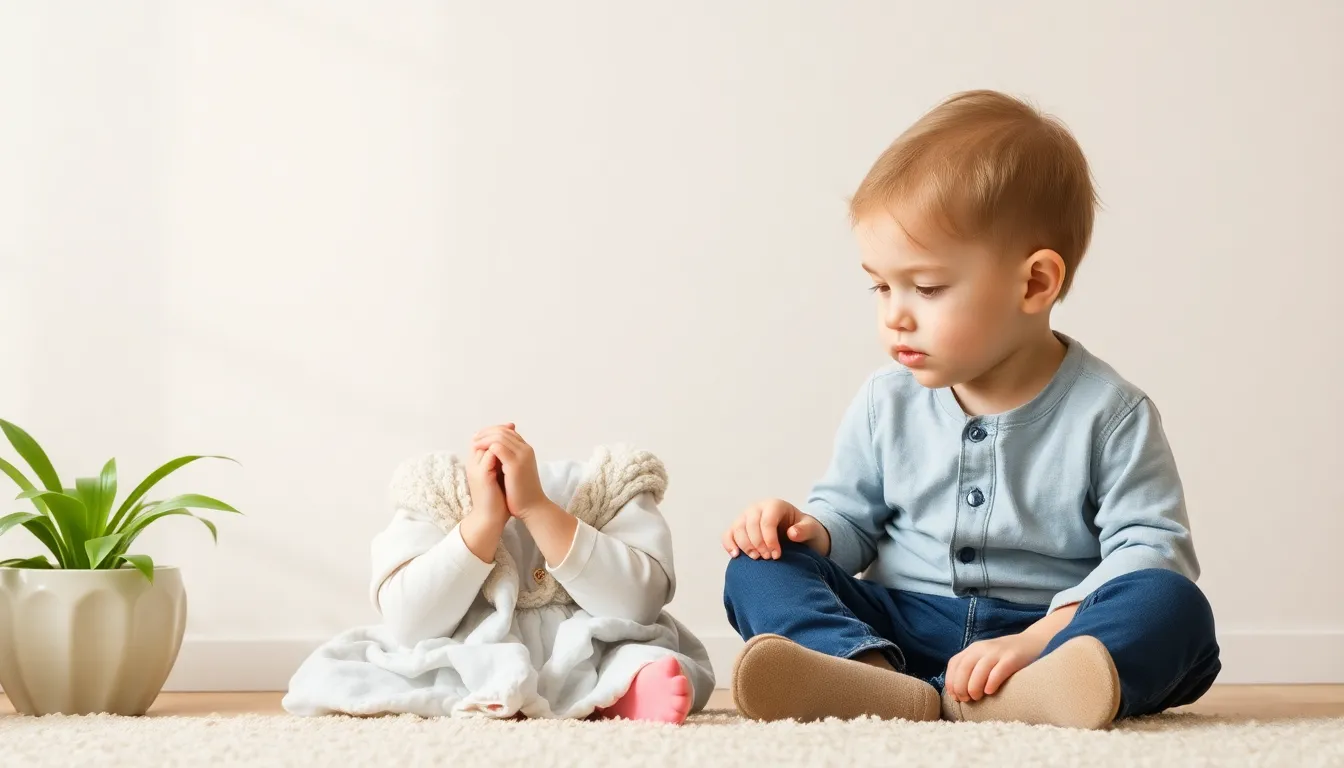
Encourage patience in daily life by creating opportunities for your child to practice waiting. For example, you can:
Ask your child to wait for a few minutes before getting a snack or toy.
Encourage your child to take deep breaths and count to ten when they feel frustrated or upset.
Praise your child for exhibiting patience and acknowledge their efforts.
Read books and stories that promote patience, such as “The Tortoise and the Hare” or “Waiting is Not Easy!” by Mo Willems.
Conclusion
Teaching patience to preschoolers is a valuable investment in their future. By understanding the importance of patience, modeling patience, and teaching patience skills, you can help your child develop into a calm, focused, and well-behaved individual.
Remember, patience is a skill that takes time and practice to develop. Be patient with your child, and they will learn to be patient with themselves and others.
For more information on child development and parenting tips, visit our blog at Parenting Tips.