
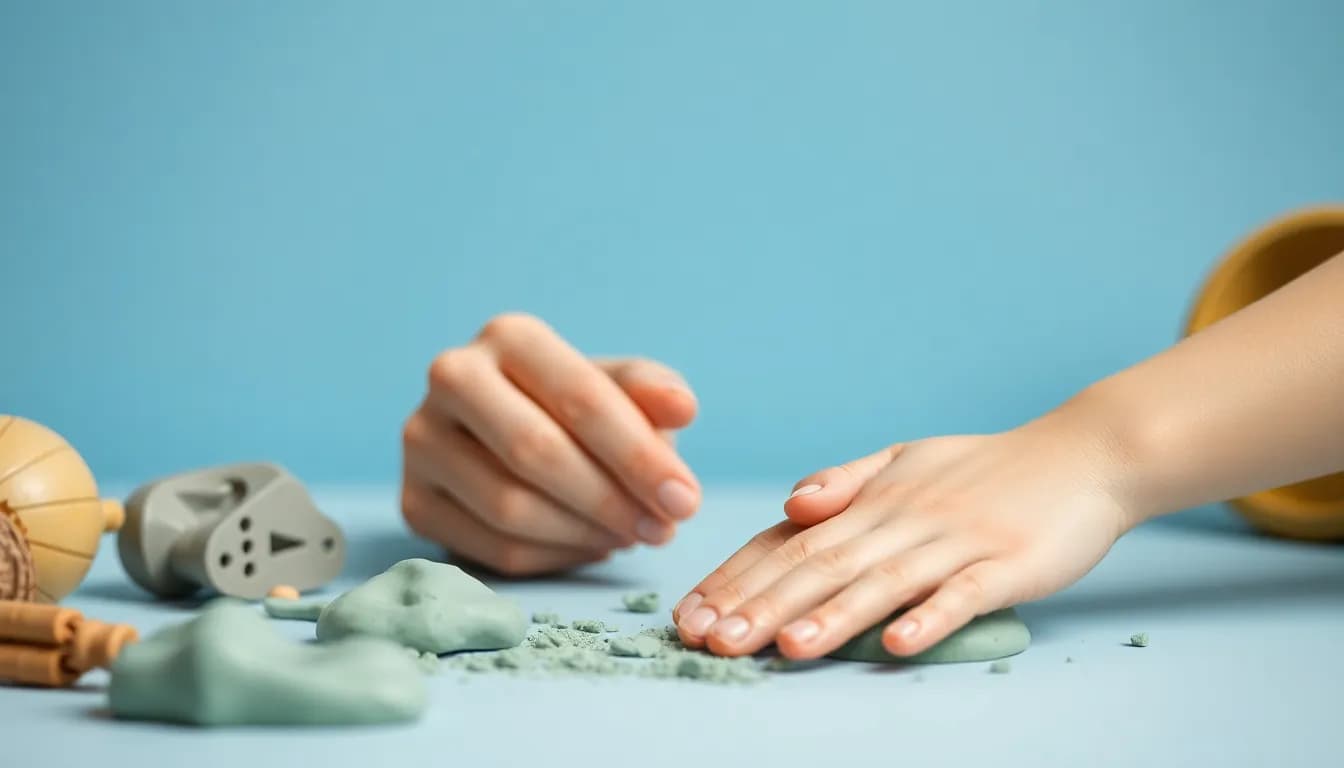
Introduction to Benefits of Clay Modeling for Fine Motor Skills
Clay modeling has been a popular art form for centuries, offering a unique combination of creativity, self-expression, and tactile exploration. However, its benefits extend far beyond the realm of art, particularly when it comes to fine motor skills development. In this article, we’ll delve into the numerous benefits of clay modeling for fine motor skills, exploring its impact on hand-eye coordination, dexterity, and creativity.
From children to adults, clay modeling offers a fun and engaging way to improve fine motor skills, which are essential for everyday activities, academic performance, and even professional pursuits. By understanding the benefits of clay modeling for fine motor skills, you can unlock a world of possibilities for yourself or your child.
Developing Fine Motor Skills through Clay Modeling
Fine motor skills refer to the ability to make precise movements with the hands, fingers, and wrists. Clay modeling is an excellent way to develop these skills, as it requires manipulating small amounts of clay, shaping, and molding it into various forms. This process helps improve:
- Dexterity: Clay modeling enhances finger dexterity, allowing individuals to perform complex movements with greater ease.
- Hand-eye coordination: By manipulating clay, individuals develop their ability to coordinate hand movements with visual cues.
- Finger strength: Regular clay modeling activities can strengthen fingers, making it easier to perform daily tasks.
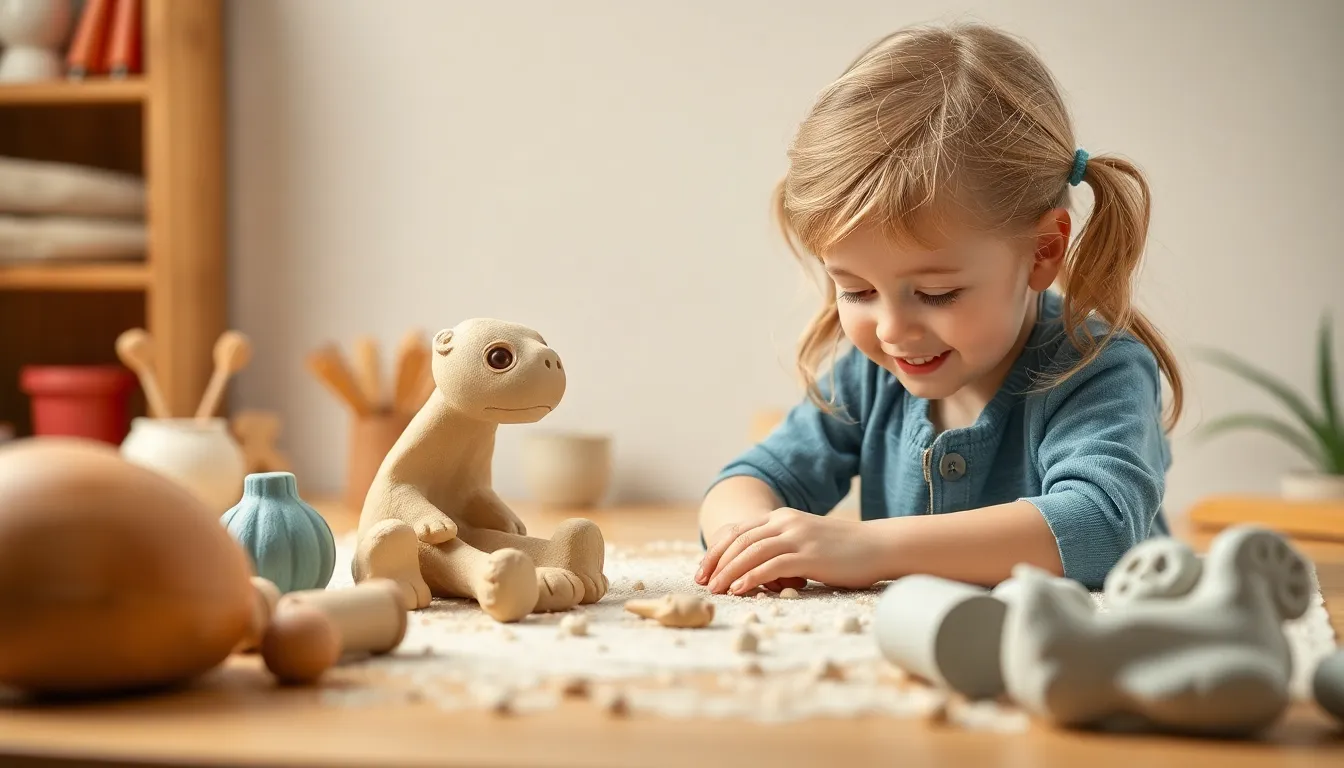
According to a study published in the Journal of Occupational Therapy, Schools, and Early Intervention, clay modeling activities can significantly improve fine motor skills in children with developmental delays.
Improving Hand-Eye Coordination with Clay Modeling Activities
Hand-eye coordination is essential for everyday activities, such as writing, typing, and even playing sports. Clay modeling offers a unique way to improve hand-eye coordination by requiring individuals to:
- Observe the clay’s shape and texture
- Manipulate the clay using various tools and techniques
- Coordinate hand movements with visual cues
Regular clay modeling activities can help improve reaction time, spatial awareness, and overall hand-eye coordination. This, in turn, can enhance performance in various areas, including sports, academics, and even professional pursuits.
Enhancing Creativity and Self-Expression through Clay Modeling
Clay modeling is an excellent way to foster creativity and self-expression, allowing individuals to bring their ideas to life. By providing a tactile and flexible medium, clay modeling enables individuals to:
- Explore different textures and shapes
- Express emotions and thoughts through art
- Develop problem-solving skills through trial and error
According to a study published in the Journal of Art and Design Education, engaging in clay modeling activities can increase creativity, self-esteem, and overall academic performance in children.
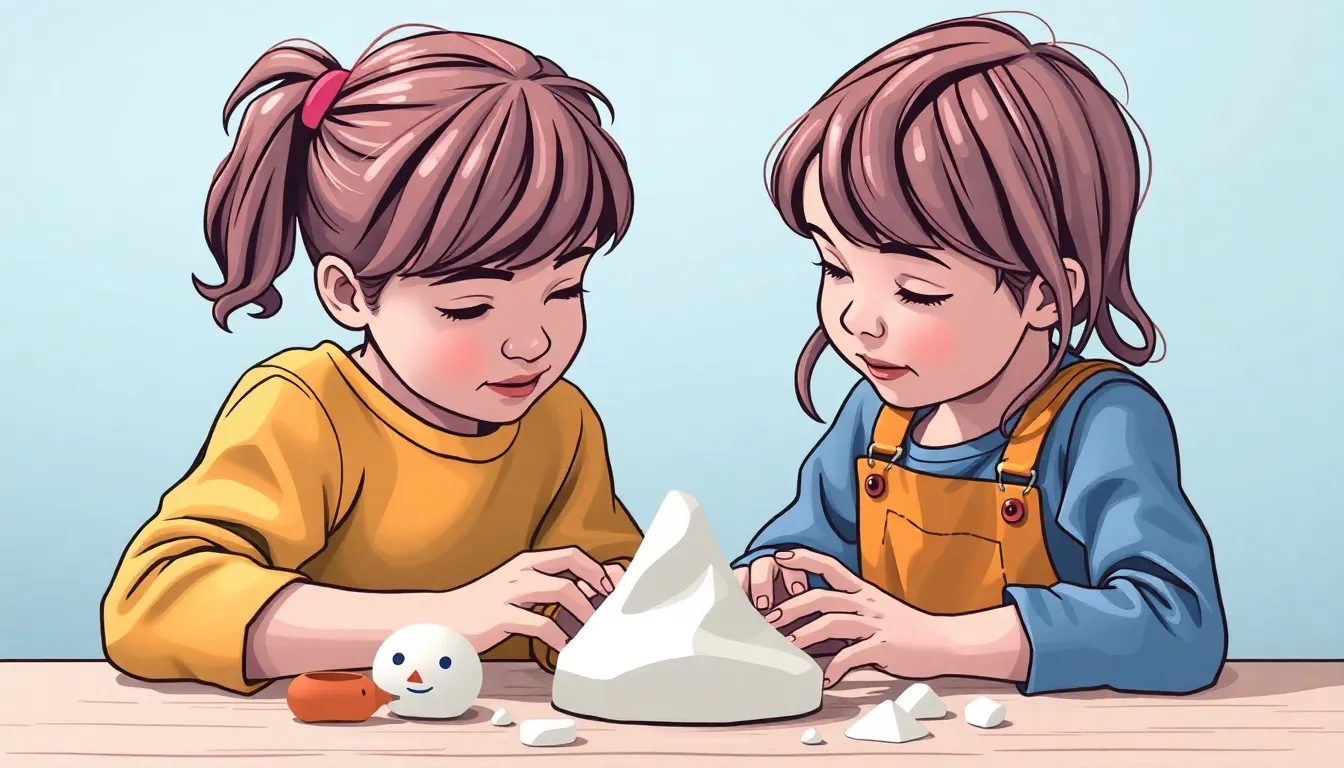
Benefits of Clay Modeling for Children with Special Needs
Clay modeling offers a unique set of benefits for children with special needs, including those with autism, ADHD, and physical disabilities. By providing a calming and engaging activity, clay modeling can:
- Help reduce anxiety and stress
- Improve focus and concentration
- Enhance fine motor skills and hand-eye coordination
- Foster creativity and self-expression
For children with physical disabilities, clay modeling can provide an accessible and enjoyable way to engage in creative activities, promoting a sense of independence and self-confidence.
Occupational Therapy and Clay Modeling
Occupational therapists often incorporate clay modeling into their therapy sessions, as it provides a unique way to address various developmental and physical challenges. By using clay modeling as a therapeutic tool, occupational therapists can help children with special needs:
- Develop fine motor skills and hand-eye coordination
- Improve sensory integration and processing
- Enhance creativity and self-expression
- Build confidence and self-esteem
Conclusion
In conclusion, the benefits of clay modeling for fine motor skills development are undeniable. By incorporating clay modeling activities into your daily routine or therapy sessions, you can improve hand-eye coordination, dexterity, and creativity, while also enhancing self-expression and confidence. Whether you’re a parent, educator, or occupational therapist, clay modeling offers a fun and engaging way to unlock the full potential of individuals with fine motor skills challenges.
For more information on the benefits of clay modeling for fine motor skills, check out our article on Fine Motor Skills Activities for Kids. If you’re looking for ways to incorporate clay modeling into your occupational therapy sessions, explore our guide on Occupational Therapy Activities for Kids.