
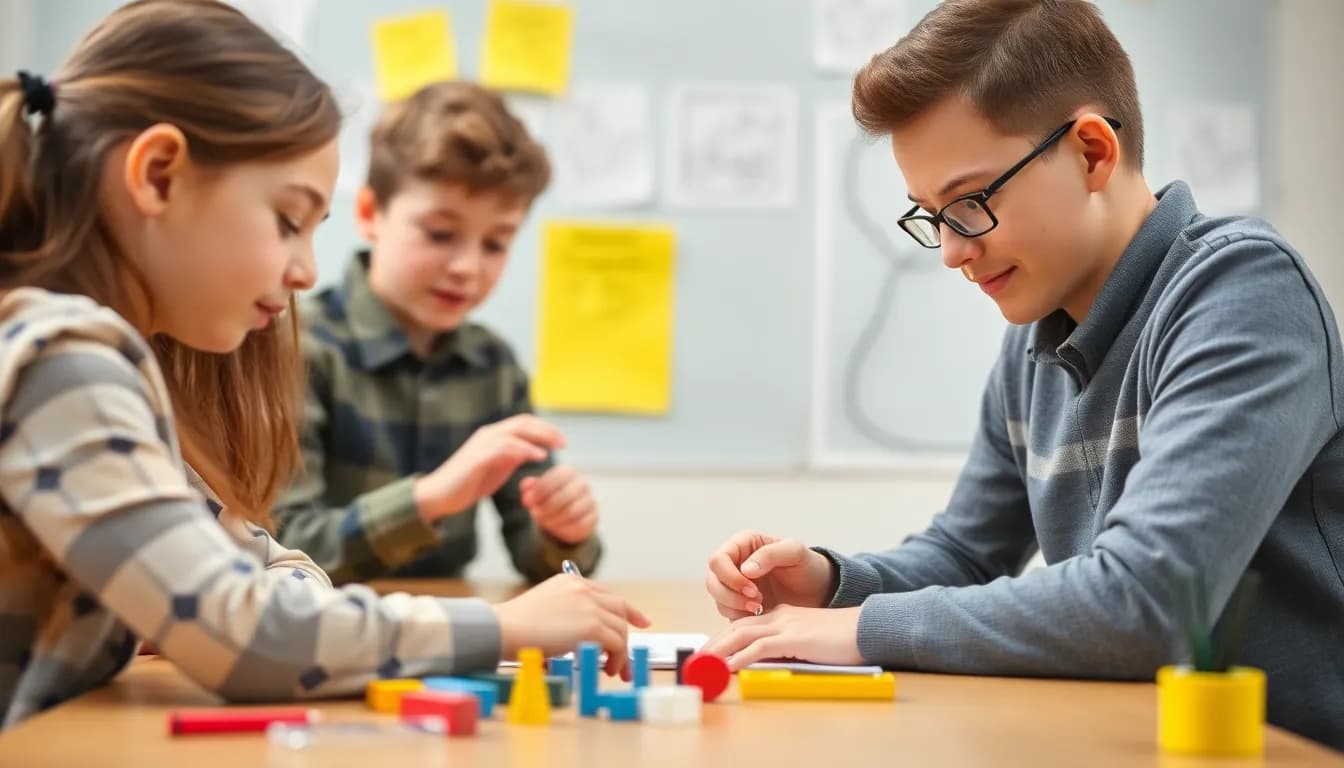
Introduction to How to Encourage Independent Problem Solving
In today’s fast-paced, ever-changing world, the ability to think critically and solve problems independently is more crucial than ever. As educators, parents, and mentors, it’s essential to equip individuals with the skills and mindset necessary to tackle complex challenges on their own.
Independent problem solving is not only a valuable asset in academics and professional settings but also a vital life skill that can benefit individuals in their personal and social lives.
Creating a Supportive Environment
To encourage independent problem solving, it’s essential to create a supportive environment that fosters curiosity, creativity, and exploration. This can be achieved by:
Providing access to resources and tools that facilitate learning and discovery.
Encouraging individuals to take calculated risks and experiment with different approaches.

Encouraging Autonomy and Self-Directed Learning
Autonomy and self-directed learning are critical components of independent problem solving. By giving individuals the freedom to make choices and take ownership of their learning, you can:
Foster a sense of responsibility and accountability.
Encourage individuals to set goals and develop a growth mindset.
How to Encourage Independent Problem Solving through Open-Ended Questions
Open-ended questions are an effective way to encourage independent problem solving by prompting individuals to think critically and develop their own solutions.
Examples of open-ended questions include:
What do you think would happen if…
How do you think we could solve this problem?
Embracing Failure and Persistence
Failure is an inevitable part of the learning process, and it’s essential to teach individuals that it’s okay to make mistakes.
By embracing failure and persistence, you can:
Help individuals develop resilience and perseverance.
How to Encourage Independent Problem Solving through Reflective Practice
Reflective practice is a powerful tool for encouraging independent problem solving. By encouraging individuals to reflect on their experiences and thought processes, you can:
Help them identify areas for improvement.
Foster a growth mindset and a willingness to learn from mistakes.
Conclusion
In conclusion, encouraging independent problem solving requires a combination of creating a supportive environment, encouraging autonomy and self-directed learning, using open-ended questions, and embracing failure and persistence.
By implementing these strategies, you can help individuals develop the critical thinking skills and mindset necessary to tackle complex challenges on their own.
Remember, independent problem solving is a skill that can be developed over time with practice, patience, and persistence.
Learn more about teaching students to be independent learners
Developing Critical Thinking Skills: A Comprehensive Guide