
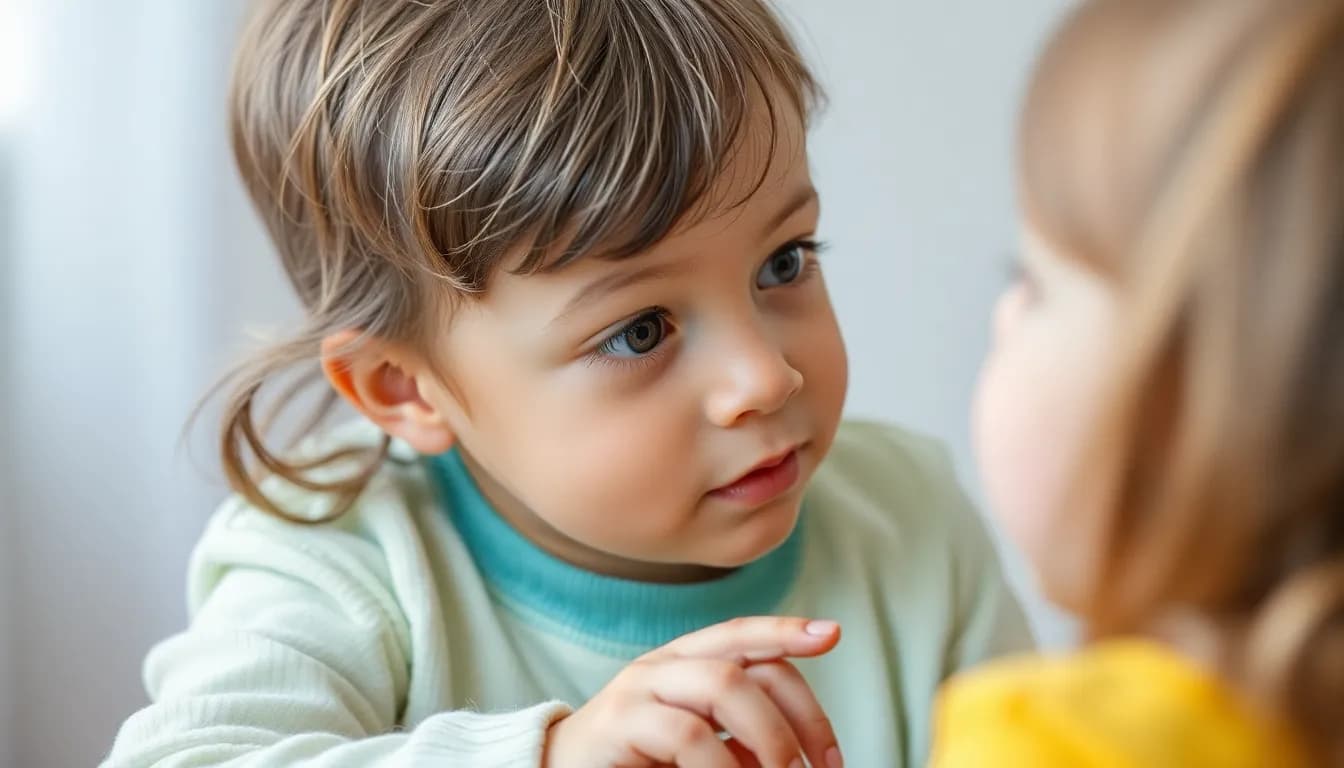
Introduction to The Role of Eye Contact in Child Development
When it comes to child development, there are many factors that contribute to a child’s emotional and social growth. One crucial aspect that is often overlooked is the role of eye contact. Eye contact is a fundamental aspect of human communication, and it plays a significant role in shaping a child’s emotional intelligence, social skills, and relationships.
In this article, we will delve into the importance of eye contact in child development, exploring its impact on emotional intelligence, social skills, and relationships. We will also provide practical tips and strategies for developing eye contact skills in children.
The Basics of Eye Contact in Child Development
Eye contact is a vital aspect of human communication, and it is essential for building trust, conveying emotions, and establishing connections with others. In children, eye contact is critical for developing social skills, emotional intelligence, and language skills.
According to a study published in the Journal of Child Psychology and Psychiatry, infants as young as six months old use eye contact to communicate with their caregivers. This early development of eye contact skills lays the foundation for future social and emotional development.

The Link Between Eye Contact and Emotional Intelligence
Emotional intelligence is the ability to recognize and understand emotions in oneself and others. Eye contact plays a crucial role in developing emotional intelligence in children, as it helps them recognize and respond to emotional cues.
A study published in the Journal of Experimental Child Psychology found that children who maintained eye contact with their caregivers during emotional interactions had higher levels of emotional intelligence.
By maintaining eye contact, children can better understand and respond to emotional cues, leading to more effective communication and stronger relationships.
Developing Eye Contact Skills in Children
Developing eye contact skills in children is essential for their social and emotional development. Here are some practical tips and strategies for promoting eye contact in children:
1. Model eye contact behavior: Children learn by observing, so it’s essential to model eye contact behavior when interacting with them.
2. Practice eye contact during daily activities: Make eye contact a part of daily activities such as reading, playing, and conversing.
3. Use positive reinforcement: Praise and reward children when they maintain eye contact during interactions.

Overcoming Challenges in Establishing Eye Contact with Children
Establishing eye contact with children can be challenging, especially for children with autism, ADHD, or other developmental disorders. Here are some strategies for overcoming these challenges:
1. Start small: Begin with short periods of eye contact and gradually increase the duration.
2. Use visual aids: Visual aids such as pictures or toys can help children focus and maintain eye contact.
For more information on overcoming challenges in establishing eye contact with children, check out our article on Overcoming Challenges in Eye Contact.
Conclusion
In conclusion, the role of eye contact in child development is crucial for building emotional intelligence, social skills, and relationships. By understanding the importance of eye contact and implementing practical strategies for developing eye contact skills, parents and caregivers can help children develop into emotionally intelligent and socially competent individuals.
Remember, eye contact is a skill that can be developed and improved with practice and patience. By prioritizing eye contact in child development, we can help children build stronger relationships, communicate more effectively, and thrive in a rapidly changing world.