

Introduction to How to Build Strong Parent-Child Communication
Effective parent-child communication is the cornerstone of a happy and healthy family. It’s the key to building trust, understanding, and a lifelong bond between parents and children. However, in today’s fast-paced world, it’s becoming increasingly challenging for parents to connect with their kids. Busy schedules, distractions, and generational differences can create barriers to effective communication.
But fear not! With the right strategies and mindset, you can learn how to build strong parent-child communication and nurture a lifelong bond with your child. In this comprehensive guide, we’ll explore the essential tips and techniques to help you communicate effectively with your child.
Establishing Trust: The Foundation of Strong Parent-Child Communication
Trust is the foundation of any successful relationship, including the parent-child bond. When your child trusts you, they’re more likely to open up and communicate with you effectively. So, how do you establish trust with your child?
One way is to be consistent and follow through on your promises. If you say you’ll do something, make sure you do it. This helps your child develop a sense of security and trust in you. Another way is to be transparent and honest with your child. Share your feelings, thoughts, and experiences with them, and be open to listening to theirs.

The Art of Active Listening in Parent-Child Communication
Active listening is a crucial aspect of effective parent-child communication. It involves fully concentrating on what your child is saying, understanding their perspective, and responding appropriately. When you actively listen to your child, they feel heard, validated, and understood.
So, how do you practice active listening with your child? Start by giving them your undivided attention, putting away distractions like phones and TVs. Maintain eye contact, and use verbal and non-verbal cues to show you’re engaged in the conversation. Repeat back what you’ve heard to ensure understanding, and ask open-ended questions to encourage more sharing.
Avoiding Miscommunication: How to Build Strong Parent-Child Communication
Miscommunication can be a major obstacle to effective parent-child communication. It can lead to misunderstandings, conflicts, and even damaged relationships. So, how do you avoid miscommunication with your child?
One way is to use clear and concise language when communicating with your child. Avoid using complex vocabulary or abstract concepts that may be difficult for them to understand. Another way is to be aware of non-verbal cues, such as body language and tone of voice, which can convey different messages than intended.
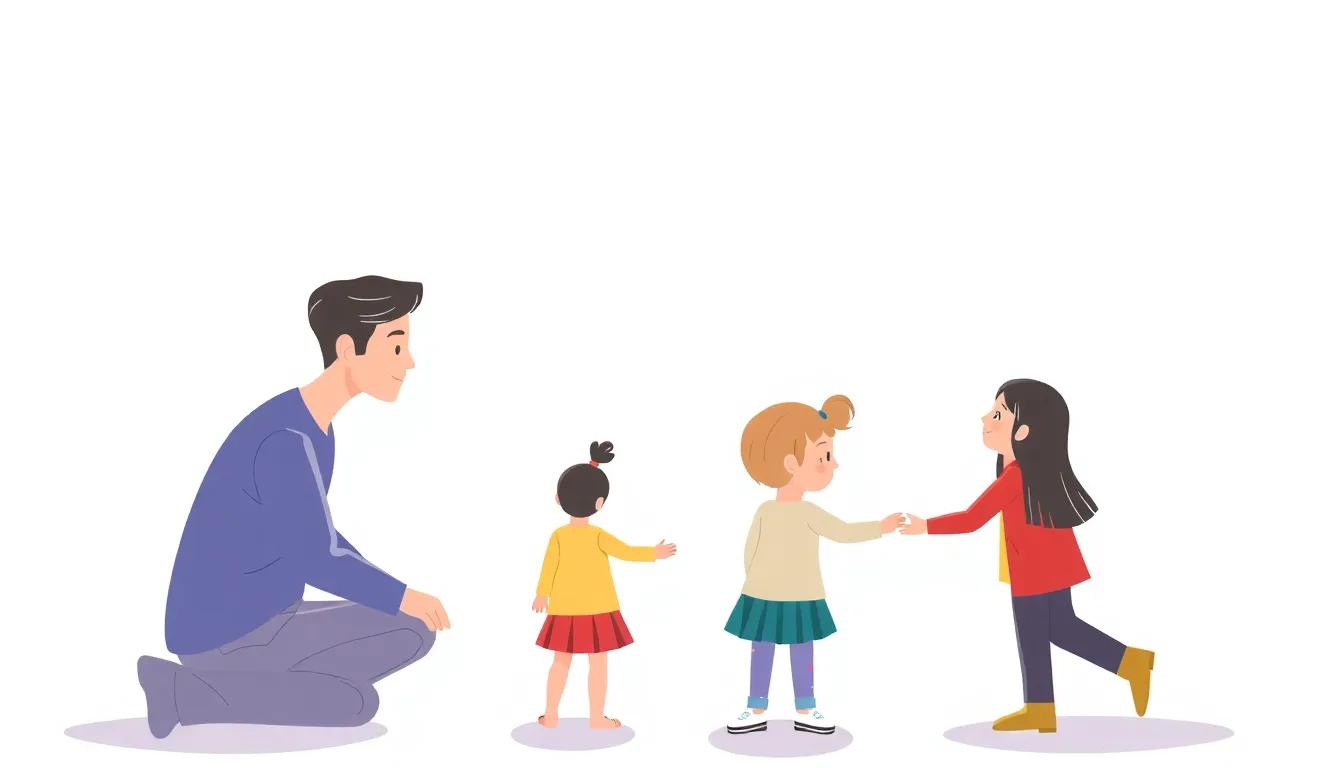
Encouraging Openness: How to Build Strong Parent-Child Communication
Encouraging openness and honesty is essential to building strong parent-child communication. When your child feels comfortable sharing their thoughts and feelings with you, they’re more likely to communicate effectively.
So, how do you encourage openness with your child? Start by creating a safe and non-judgmental space for them to express themselves. Avoid criticizing or punishing them for sharing their thoughts and feelings, and instead, offer guidance and support.
Creating a Safe Space for Open Communication
A safe space is essential for encouraging openness and honesty in parent-child communication. It’s a space where your child feels comfortable sharing their thoughts and feelings without fear of judgment or criticism.
So, how do you create a safe space for open communication with your child? Start by setting aside dedicated time for talking and listening, free from distractions and interruptions. Make eye contact, and use open and non-defensive body language to show you’re engaged and receptive.
Managing Conflict: A Key Aspect of How to Build Strong Parent-Child Communication
Conflict is an inevitable part of any relationship, including the parent-child bond. However, it’s how you manage conflict that determines the strength of your relationship. When you manage conflict effectively, you can actually strengthen your bond with your child.
So, how do you manage conflict with your child? Start by staying calm and composed, even in the face of adversity. Avoid blaming or criticizing your child, and instead, focus on finding a resolution that works for both parties.
For more information on managing conflict, check out our article on Resolving Conflict in Relationships.
Additionally, the American Psychological Association (APA) offers valuable resources on parent-child communication, including tips on active listening and conflict resolution.
Conclusion
In conclusion, building strong parent-child communication is essential for nurturing a lifelong bond with your child. By establishing trust, practicing active listening, avoiding miscommunication, encouraging openness, and managing conflict, you can create a strong foundation for effective communication.
Remember, effective parent-child communication is a journey, not a destination. It takes time, effort, and patience, but the rewards are well worth it. By following the tips and strategies outlined in this guide, you can build a strong and healthy relationship with your child that will last a lifetime.
For more information on building strong relationships, check out our article on Building Strong Relationships.