

How Social Interaction Shapes Child Development
The Importance of Social Interaction in Early Childhood Development
Social interaction is a cornerstone of early childhood development. From the moment a child is born, their ability to connect with others begins to shape their emotional, cognitive, and physical growth. Studies show that children who engage in frequent social interactions develop stronger neural connections, which are essential for learning and memory.
For example, infants who experience consistent eye contact and verbal communication from caregivers tend to develop secure attachments. These attachments provide a foundation for exploring the world and building relationships later in life. Social interaction also helps children learn empathy, a critical skill for understanding and responding to the emotions of others.
Moreover, early social experiences influence a child’s ability to regulate emotions. Through interactions with parents, siblings, and peers, children learn to express their feelings appropriately and develop resilience in challenging situations.
In essence, social interaction shapes child development by fostering emotional security, cognitive skills, and interpersonal abilities that are vital for lifelong success.
How Social Bonds Influence Cognitive Growth in Children
Cognitive growth in children is deeply intertwined with their social bonds. When children interact with others, they are exposed to diverse perspectives and problem-solving strategies, which enhance their critical thinking skills. For instance, collaborative activities like group storytelling or puzzles encourage children to think creatively and work as a team.
Research indicates that children who have strong social bonds with caregivers and peers tend to perform better academically. These relationships provide emotional support, which boosts confidence and motivation to learn. A study by Harvard University found that children with secure social connections are more likely to excel in subjects like math and reading.
Social bonds also play a role in developing executive functions such as attention control, memory, and decision-making. Through interactions, children learn to follow instructions, manage their time, and adapt to new situations.
Ultimately, the cognitive benefits of social bonds highlight how social interaction shapes child development, preparing them for academic and personal success.
The Role of Play in Building Social Skills and Emotional Intelligence
Play is a powerful tool for building social skills and emotional intelligence in children. Activities like role-playing, board games, and outdoor sports provide opportunities for children to practice communication, cooperation, and conflict resolution.
For example, pretend play allows children to explore different roles and perspectives, fostering empathy and understanding. A child pretending to be a doctor learns to care for others, while another playing the role of a patient learns to express their needs.
Play also helps children manage emotions. Games that involve winning and losing teach children how to handle disappointment and celebrate success. These experiences contribute to emotional resilience and self-regulation.
By engaging in play, children not only have fun but also develop essential social and emotional skills, demonstrating how social interaction shapes child development in meaningful ways.
Peer Relationships and Their Impact on Child Development
Peer relationships are a critical aspect of social interaction that shapes child development. Friendships formed during childhood provide a sense of belonging and help children develop social competence.
Through peer interactions, children learn to navigate social norms, share resources, and resolve conflicts. For instance, a child negotiating turn-taking during a game is practicing essential interpersonal skills.
Positive peer relationships also contribute to emotional well-being. Children with strong friendships are less likely to experience loneliness and more likely to develop a positive self-image. A study by the American Psychological Association found that children with supportive peers exhibit lower levels of anxiety and depression.
However, negative peer interactions, such as bullying, can hinder development. Parents and educators must actively foster inclusive environments to ensure that peer relationships positively shape child development.
How Family Dynamics Shape a Child’s Social Competence
Family dynamics play a pivotal role in shaping a child’s social competence. The interactions within a family set the stage for how children perceive and engage with the world around them.
For example, children who grow up in nurturing environments where communication is encouraged tend to develop strong interpersonal skills. Parents who model positive social behaviors, such as active listening and empathy, provide a blueprint for their children to follow.
Sibling relationships also contribute to social competence. Siblings often serve as a child’s first peers, teaching them how to share, negotiate, and resolve conflicts. These early experiences are invaluable for developing social skills.
On the other hand, family stress or dysfunction can negatively impact a child’s social development. Supportive family dynamics are essential for fostering the social interaction that shapes child development.
The Connection Between Social Interaction and Language Development
Language development is closely linked to social interaction. Conversations with caregivers, peers, and educators provide children with the vocabulary and grammar they need to communicate effectively.
For instance, a toddler learning to say “thank you” during a social exchange is not only acquiring language skills but also understanding social norms. These interactions are crucial for building linguistic competence.
Research shows that children exposed to rich verbal environments develop stronger language skills. A study by Stanford University found that children who engage in frequent conversations with adults have larger vocabularies and better reading comprehension.
By fostering social interaction, parents and educators can significantly enhance language development, further illustrating how social interaction shapes child development.
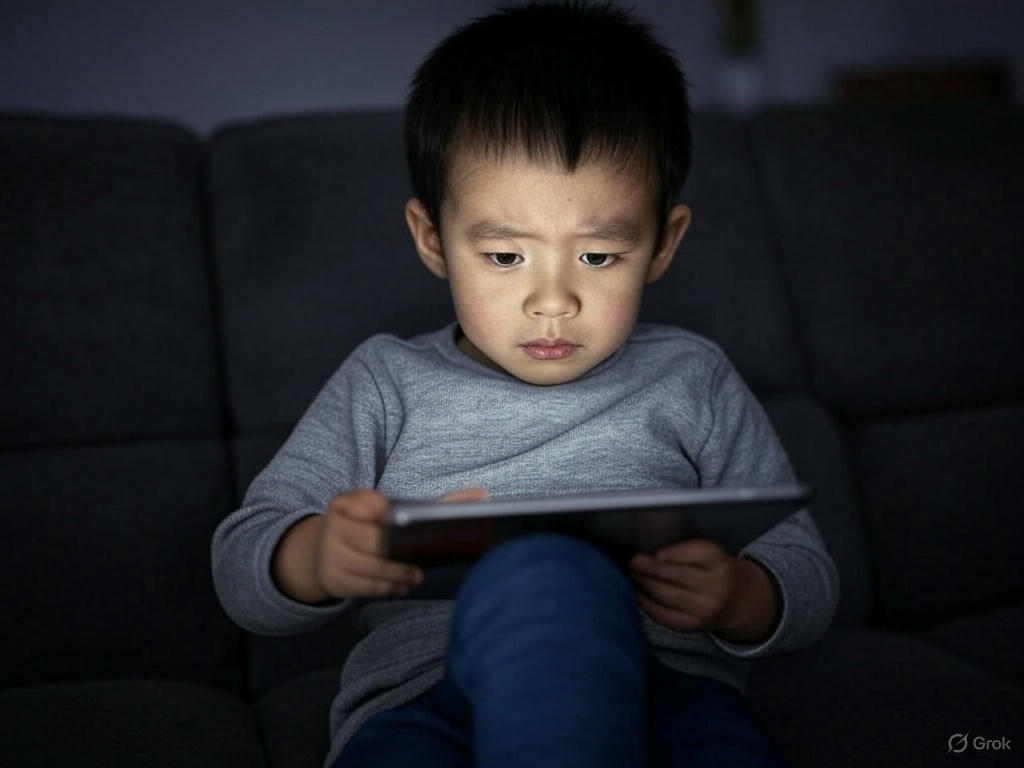
The Effects of Limited Social Interaction on Childhood Growth
Limited social interaction can have detrimental effects on childhood growth. Children who lack opportunities to engage with others may struggle with emotional regulation, social competence, and cognitive development.
For example, children raised in isolation or deprived of peer interactions often exhibit delayed language development and difficulty forming relationships. These challenges can persist into adulthood if not addressed early.
Studies have shown that social deprivation can lead to increased levels of anxiety and depression. A report by UNICEF highlights the importance of social interaction in preventing developmental delays and emotional distress.
Recognizing the effects of limited social interaction underscores the need for proactive measures to ensure that every child has access to enriching social experiences.
Encouraging Positive Social Behaviors in Young Children
Encouraging positive social behaviors in young children is essential for their development. Parents and educators can play a significant role by modeling kindness, empathy, and respect.
For instance, teaching children to say “please” and “thank you” during interactions fosters politeness and gratitude. Role-playing scenarios can also help children practice responding to different social situations.
Rewarding positive behaviors, such as sharing and cooperation, reinforces their importance. Praise and recognition motivate children to continue exhibiting these behaviors.
By actively promoting positive social behaviors, adults can ensure that social interaction shapes child development in a constructive and meaningful way.
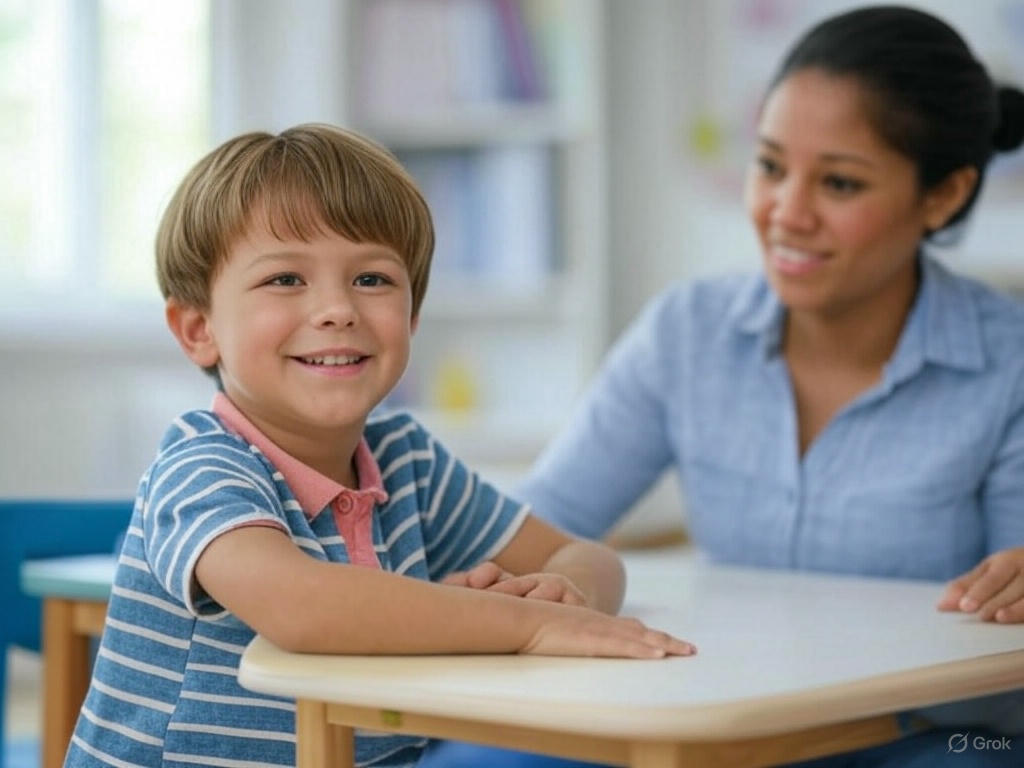
The Role of Schools in Fostering Social Development in Kids
Schools play a crucial role in fostering social development in children. Classroom activities, group projects, and extracurricular programs provide opportunities for children to interact and build relationships.
For example, collaborative learning environments encourage teamwork and communication. Children learn to respect diverse perspectives and work towards common goals.
Teachers also play a vital role by creating inclusive spaces where every child feels valued. Programs focused on social-emotional learning (SEL) help children develop empathy, self-awareness, and interpersonal skills.
By prioritizing social development, schools ensure that social interaction shapes child development in ways that prepare them for future challenges.
Strategies for Supporting Healthy Social Interaction in Children
Supporting healthy social interaction in children requires intentional strategies. Parents and educators can create environments that encourage meaningful connections.
Organizing playdates, community events, and group activities provides children with opportunities to interact with peers. Structured activities like sports or art classes also promote teamwork and communication.
Technology can be leveraged to support social interaction. Video calls with family members or educational apps that encourage collaboration can be beneficial when in-person interactions are limited.
By implementing these strategies, adults can ensure that social interaction shapes child development positively, fostering well-rounded growth.
FAQ: How Social Interaction Shapes Child Development
- Why is social interaction important for child development?
- Social interaction is crucial for developing emotional intelligence, cognitive skills, language abilities, and social competence.
- How does play contribute to social development?
- Play helps children practice communication, empathy, and conflict resolution, building essential social skills.
- What are the effects of limited social interaction on children?
- Limited social interaction can lead to developmental delays, emotional distress, and difficulty forming relationships.
- How can parents encourage positive social behaviors?
- Parents can model kindness, reward positive behaviors, and create opportunities for children to interact with peers.