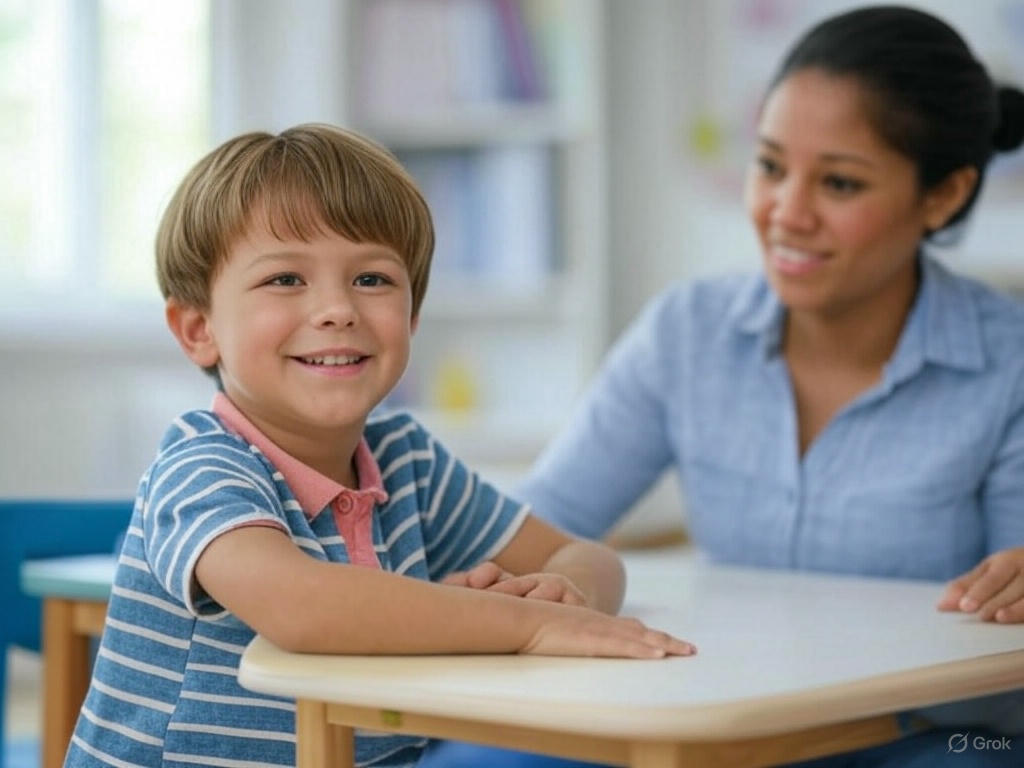


Role of Positive Reinforcement in Child Behavior
Understanding Positive Reinforcement: A Key to Shaping Child Behavior
Positive reinforcement is a powerful tool in parenting that involves rewarding desired behaviors to encourage their recurrence. It is based on the principle that children are more likely to repeat actions that result in positive outcomes. By focusing on what children do right rather than punishing mistakes, parents can foster a nurturing environment for growth.
For example, praising a child for completing homework on time or offering a small reward for good manners can motivate them to continue these behaviors. Positive reinforcement is not just about material rewards; verbal affirmations, hugs, and smiles can be equally effective.
Understanding the role of positive reinforcement in child behavior is crucial for parents aiming to shape their children into confident and responsible individuals. It helps children associate good behavior with positive feelings, making them more likely to adopt these behaviors naturally.
In essence, positive reinforcement is a proactive approach to parenting that emphasizes encouragement over criticism, laying the foundation for a healthy parent-child relationship.
The Science Behind Positive Reinforcement in Parenting
Research in psychology and child development has consistently highlighted the effectiveness of positive reinforcement. According to B.F. Skinner’s operant conditioning theory, behaviors followed by positive consequences are more likely to be repeated. This principle applies directly to parenting strategies.
Studies show that children who receive positive reinforcement for their actions tend to develop higher self-esteem and better emotional regulation. For instance, a study published in the Journal of Child Psychology found that children who were praised for their efforts performed better academically and socially.
Neuroscience also supports the role of positive reinforcement in child behavior. When children receive praise or rewards, their brains release dopamine, a neurotransmitter associated with pleasure and motivation. This chemical reaction reinforces the behavior, making it more likely to occur again.
By understanding the science behind positive reinforcement, parents can adopt evidence-based strategies to guide their children toward positive behaviors and long-term success.
Benefits of Positive Reinforcement for Child Development
Positive reinforcement offers numerous benefits for child development, including improved self-confidence, better social skills, and enhanced emotional well-being. When children are rewarded for their efforts, they feel valued and appreciated, which boosts their self-esteem.
Additionally, positive reinforcement helps children develop a sense of responsibility. For example, rewarding a child for cleaning their room teaches them the importance of maintaining a tidy space. Over time, these behaviors become ingrained habits.
Another benefit is the development of problem-solving skills. When children are encouraged to try new things and are rewarded for their efforts, they learn to approach challenges with a positive mindset. This fosters resilience and adaptability.
Overall, the role of positive reinforcement in child behavior extends beyond immediate rewards; it shapes a child’s character and prepares them for future success.
How Positive Reinforcement Encourages Good Behavior in Children
Positive reinforcement is an effective way to encourage good behavior in children. By rewarding actions like sharing, helping others, or completing tasks, parents can reinforce these behaviors and make them more likely to occur again.
For example, if a child helps a sibling with homework, a parent might praise them by saying, “Great job helping your brother! That was very kind of you.” This acknowledgment motivates the child to continue being helpful in the future.
Consistency is key when using positive reinforcement. Parents should ensure that rewards are given immediately after the desired behavior to strengthen the association. Over time, children learn to internalize these behaviors as part of their routine.
By focusing on positive actions rather than negative ones, parents can create a supportive environment that encourages children to thrive and make good choices.
Common Examples of Positive Reinforcement in Everyday Parenting
- Praising a child for finishing their homework on time.
- Offering a sticker or small reward for good behavior at school.
- Giving extra playtime for completing chores without being asked.
- Providing verbal affirmations like “You did a great job!” after a task.
These examples demonstrate how simple actions can have a profound impact on a child’s behavior. Positive reinforcement doesn’t have to be elaborate; even small gestures can make a big difference.
For instance, a parent might say, “Thank you for putting your toys away. That was very responsible of you.” This not only reinforces the behavior but also teaches the child the value of responsibility.
By incorporating positive reinforcement into daily interactions, parents can create a consistent and encouraging environment for their children.
Positive Reinforcement vs. Punishment: Which Works Better?
While punishment has traditionally been used to correct undesirable behavior, research shows that positive reinforcement is more effective in shaping long-term behavior. Punishment often instills fear and resentment, whereas positive reinforcement fosters trust and motivation.
For example, instead of scolding a child for forgetting to do their homework, a parent could reward them for completing it the next day. This approach encourages the desired behavior without creating negative emotions.
Positive reinforcement also helps children understand the consequences of their actions in a constructive way. They learn that good behavior leads to positive outcomes, which motivates them to make better choices.
Ultimately, the role of positive reinforcement in child behavior is to guide children toward success through encouragement rather than fear, making it a more effective and compassionate parenting strategy.
Tips for Effectively Using Positive Reinforcement with Your Child
- Be specific with your praise. Instead of saying “Good job,” say “Great job cleaning your room!”
- Use immediate rewards to strengthen the association between behavior and outcome.
- Keep rewards age-appropriate and meaningful to your child.
- Be consistent in your approach to reinforce desired behaviors effectively.
By following these tips, parents can maximize the impact of positive reinforcement and create a supportive environment for their children.
Remember, the goal is to encourage good behavior while building a strong parent-child bond. Positive reinforcement is a tool that, when used effectively, can transform your parenting journey.
Mistakes to Avoid When Practicing Positive Reinforcement
While positive reinforcement is highly effective, there are common mistakes parents should avoid. One mistake is overusing rewards, which can lead to dependency. Children may start expecting rewards for every action, diminishing intrinsic motivation.
Another mistake is being inconsistent. If rewards are given sporadically, children may become confused about what behaviors are expected. Consistency is key to reinforcing desired actions.
Parents should also avoid using rewards that are too extravagant. Simple gestures like praise or a small treat are often more effective than expensive gifts.
By avoiding these pitfalls, parents can ensure that positive reinforcement remains a constructive and impactful tool in shaping child behavior.
The Long-Term Impact of Positive Reinforcement on Child Behavior
The role of positive reinforcement in child behavior extends far beyond immediate rewards. Over time, it helps children develop a strong sense of self-worth and responsibility. They learn to associate good behavior with positive outcomes, which becomes a lifelong habit.
Children who experience positive reinforcement are more likely to excel academically, socially, and emotionally. They develop resilience and a growth mindset, which prepares them for future challenges.
Moreover, positive reinforcement fosters a healthy parent-child relationship built on trust and mutual respect. This bond serves as a foundation for effective communication and emotional support throughout the child’s life.
In the long run, positive reinforcement shapes children into confident, responsible, and empathetic individuals, making it an invaluable parenting strategy.
Building a Strong Parent-Child Bond Through Positive Reinforcement
Positive reinforcement is not just about shaping behavior; it also plays a crucial role in building a strong parent-child bond. When parents focus on encouraging good behavior, they create an environment of trust and mutual respect.
For example, praising a child for their efforts shows that the parent values their contributions. This acknowledgment strengthens the emotional connection between parent and child.
Additionally, positive reinforcement fosters open communication. Children feel more comfortable sharing their thoughts and feelings when they know their efforts are appreciated.
By using positive reinforcement consistently, parents can nurture a loving and supportive relationship that benefits both the child and the family as a whole.
FAQ: Role of Positive Reinforcement in Child Behavior
- What is positive reinforcement?
- Positive reinforcement is a parenting strategy that involves rewarding desired behaviors to encourage their recurrence.
- How does positive reinforcement impact child development?
- It boosts self-esteem, fosters responsibility, and helps children develop problem-solving skills and emotional resilience.
- Can positive reinforcement replace punishment?
- Yes, positive reinforcement is often more effective than punishment in shaping long-term behavior and fostering trust.
- What are some examples of positive reinforcement?
- Praising a child for completing homework, offering small rewards for good behavior, and providing verbal affirmations are common examples.