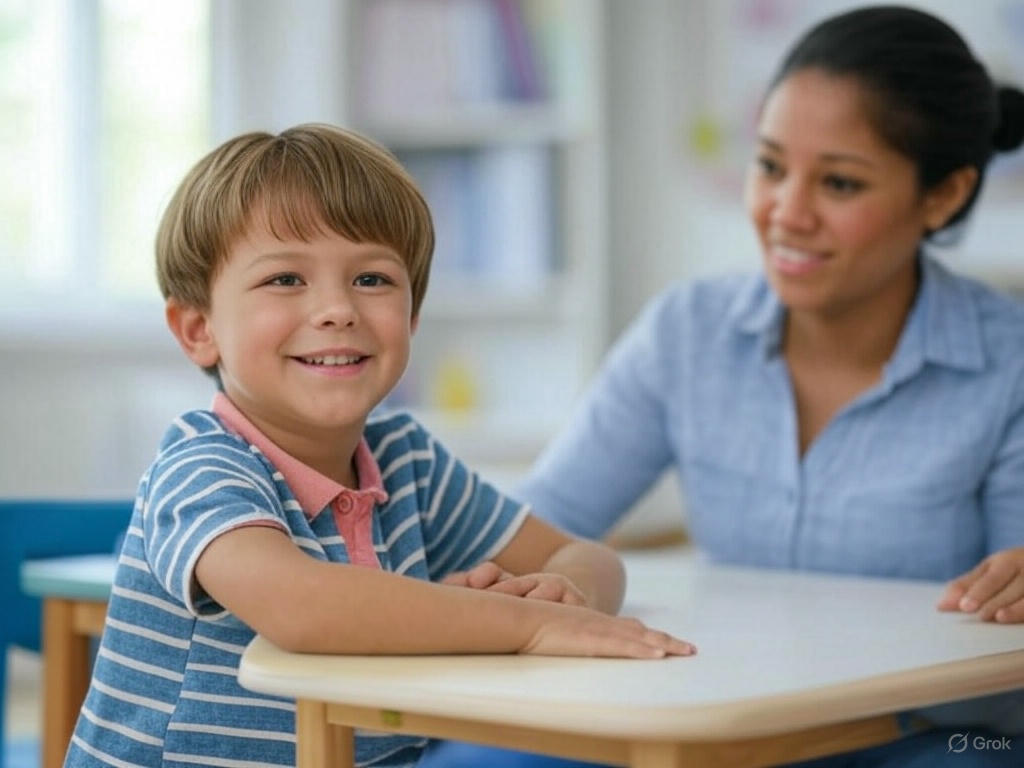


How to Prepare Your Child for Kindergarten
Understanding the Importance of Kindergarten Readiness
Kindergarten is a significant milestone in your child’s life, marking the beginning of their formal education journey. Understanding how to prepare your child for kindergarten is crucial to ensure a smooth transition and set the stage for academic and social success.
Research shows that children who are well-prepared for kindergarten are more likely to excel academically and socially. According to the National Education Association, early preparation can improve a child’s confidence, communication skills, and ability to adapt to new environments.
Kindergarten readiness goes beyond academic skills. It encompasses emotional, social, and physical development. By focusing on these areas, you can help your child feel more comfortable and confident as they step into their new role as a student.
In this guide, we’ll explore practical strategies and tips on how to prepare your child for kindergarten, ensuring they are ready to thrive in this new chapter of their life.
Building a Strong Foundation: Social and Emotional Skills
Social and emotional skills are critical components of kindergarten readiness. These skills help children interact with peers, manage their emotions, and navigate the challenges of a structured classroom environment.
Start by teaching your child how to share, take turns, and express their feelings in a healthy way. Role-playing scenarios, such as sharing toys or resolving conflicts, can be a fun and effective way to practice these skills.
Encourage your child to build relationships with other children through playdates or group activities. This will help them develop the confidence to make friends and work collaboratively in a classroom setting.
Additionally, teach your child how to identify and manage their emotions. Simple techniques like deep breathing or counting to ten can help them handle frustration or anxiety, which are common emotions during the transition to kindergarten.
Developing Basic Academic Skills Before Kindergarten
While social and emotional skills are essential, academic readiness is also a key aspect of how to prepare your child for kindergarten. Focus on developing basic skills such as recognizing letters, numbers, shapes, and colors.
Reading to your child daily is one of the most effective ways to build their vocabulary and comprehension skills. Choose age-appropriate books and encourage your child to ask questions and discuss the story with you.
Introduce simple math concepts through everyday activities. For example, you can count objects during grocery shopping or sort items by size and color. These activities make learning fun and interactive.
Finally, provide your child with opportunities to practice writing. Start with simple tasks like tracing letters or drawing shapes, gradually progressing to writing their name and other basic words.
Encouraging Independence in Daily Activities
Independence is a vital skill for children entering kindergarten. Teaching your child to perform basic tasks on their own will boost their confidence and help them adapt to the school environment.
Encourage your child to dress themselves, tie their shoes, and manage their personal hygiene. These skills not only foster independence but also prepare them for the daily routines of kindergarten.
Another important aspect of independence is decision-making. Allow your child to make simple choices, such as picking their outfit or choosing a snack. This helps them develop critical thinking skills and a sense of responsibility.
Remember to be patient and provide positive reinforcement as your child learns these new skills. Celebrate their achievements, no matter how small, to motivate them to keep trying.
Establishing a Consistent Routine for Your Child
Creating a consistent daily routine is an essential step in how to prepare your child for kindergarten. A predictable schedule helps children feel secure and understand what to expect each day.
Start by setting regular wake-up and bedtime routines. Adequate sleep is crucial for your child’s physical and mental development, so ensure they get the recommended amount of rest for their age group.
Incorporate structured activities into your child’s day, such as meal times, playtime, and learning sessions. This will help them adjust to the structured environment of a kindergarten classroom.
Gradually introduce your child to the concept of time by using visual schedules or timers. This will help them understand the importance of following a routine and managing their time effectively.
Introducing Your Child to the Kindergarten Environment
Familiarizing your child with the kindergarten environment is a crucial part of how to prepare your child for kindergarten. Visiting the school beforehand can help reduce anxiety and build excitement.
Many schools offer orientation programs or open house events for incoming students. Take advantage of these opportunities to tour the school, meet the teachers, and explore the classroom with your child.
Discuss what a typical day in kindergarten might look like, including activities like circle time, snack breaks, and outdoor play. This will help your child know what to expect and feel more comfortable on their first day.
If possible, arrange playdates with other children who will be attending the same school. Building friendships before the school year begins can make the transition easier for your child.
Tips for Improving Communication and Listening Skills
Effective communication and listening skills are essential for success in kindergarten. These skills enable children to express their needs, follow instructions, and engage in meaningful interactions with peers and teachers.
Encourage your child to express themselves by asking open-ended questions and actively listening to their responses. This will help them feel valued and improve their ability to communicate effectively.
Practice listening skills through fun activities like storytelling or playing games that require following directions. For example, games like “Simon Says” can teach your child to listen carefully and respond appropriately.
Additionally, model good communication skills by speaking clearly, maintaining eye contact, and using positive language. Children often learn by observing and imitating the behavior of adults around them.
Preparing Your Child for Group Activities and Teamwork
Group activities and teamwork are integral parts of the kindergarten experience. Teaching your child how to work collaboratively with others is an important step in how to prepare your child for kindergarten.
Encourage your child to participate in group activities, such as sports, art classes, or community events. These experiences will help them learn how to share, take turns, and cooperate with others.
Teach your child the importance of respecting others’ opinions and resolving conflicts peacefully. Role-playing scenarios can be a helpful way to practice these skills in a safe and supportive environment.
Finally, emphasize the value of teamwork by engaging in family activities that require collaboration, such as cooking a meal together or completing a puzzle. This will help your child understand the benefits of working as part of a team.
Addressing Common Fears and Anxieties About Starting School
It’s natural for children to feel nervous about starting kindergarten. Addressing their fears and anxieties is a key part of how to prepare your child for kindergarten.
Start by having open and honest conversations with your child about their feelings. Reassure them that it’s normal to feel nervous and that you’re there to support them every step of the way.
Share positive stories about your own school experiences or read books about starting school. This can help your child feel more excited and less anxious about the transition.
If your child continues to feel anxious, consider seeking support from a school counselor or a professional specializing in child development. They can provide additional strategies to help your child feel more comfortable and confident.
How to Stay Involved in Your Child’s Kindergarten Journey
Your involvement in your child’s education is crucial for their success. Staying engaged in their kindergarten journey is an important aspect of how to prepare your child for kindergarten and beyond.
Communicate regularly with your child’s teacher to stay informed about their progress and any areas where they may need additional support. Attend parent-teacher conferences and participate in school events whenever possible.
At home, create a supportive learning environment by setting aside time for homework and educational activities. Celebrate your child’s achievements and encourage them to share their experiences with you.
Finally, consider volunteering at your child’s school or joining the parent-teacher association. This not only allows you to stay involved but also demonstrates to your child the importance of education and community involvement.
Conclusion
Preparing your child for kindergarten is a multifaceted process that involves fostering social, emotional, academic, and practical skills. By understanding how to prepare your child for kindergarten, you can help them build a strong foundation for success in school and beyond.
From developing independence to addressing anxieties, each step you take will contribute to your child’s readiness for this exciting new chapter. Remember, your support and involvement play a crucial role in their journey.
For more resources on early childhood education and inclusive education, visit Prashast.org. Together, we can ensure every child has the tools they need to thrive in kindergarten and beyond.
Frequently Asked Questions
- What age should I start preparing my child for kindergarten?
- It’s never too early to start preparing your child for kindergarten. Many parents begin focusing on social, emotional, and academic skills as early as age 3 or 4.
- How can I help my child overcome anxiety about starting kindergarten?
- Talk openly with your child about their feelings, visit the school together, and read books about starting school. Reassure them that it’s normal to feel nervous and that you’re there to support them.
- What are the most important skills for kindergarten readiness?
- The most important skills include social and emotional skills, basic academic knowledge (letters, numbers, shapes, colors), independence in daily tasks, and the ability to follow instructions and work in groups.
- How can I stay involved in my child’s kindergarten education?
- Communicate regularly with your child’s teacher, attend school events, create a supportive learning environment at home, and consider volunteering at the school or joining the parent-teacher association.