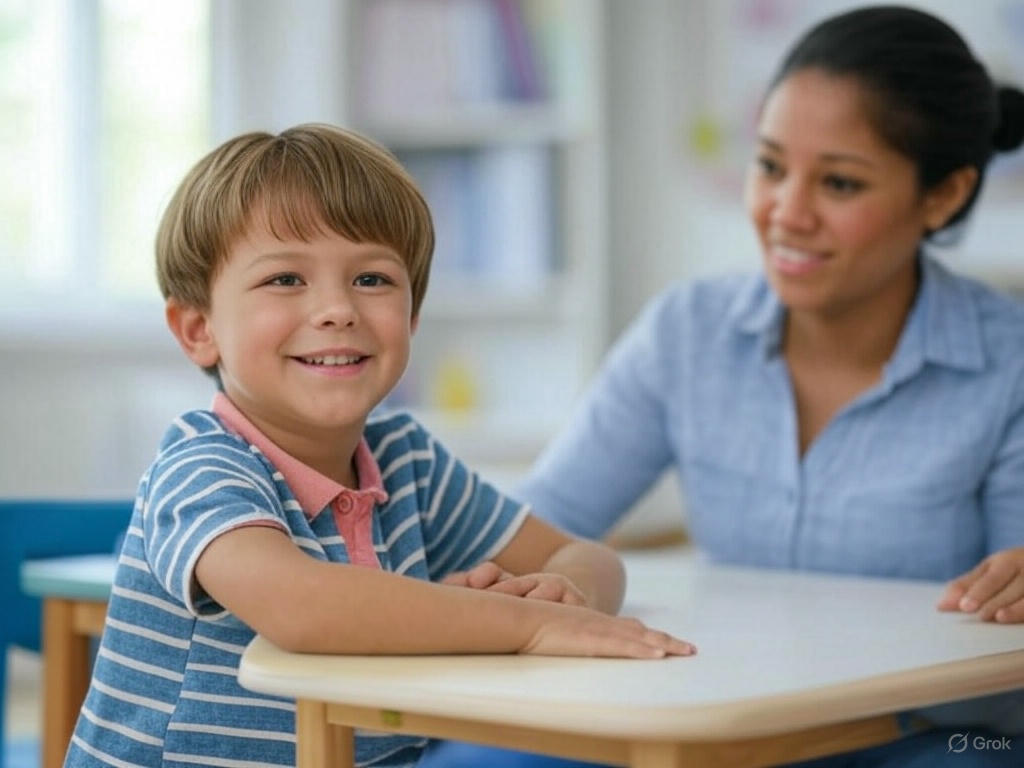


How Mindfulness Activities Help Children Focus
What Is Mindfulness and Why Is It Important for Children?
Mindfulness is the practice of being fully present and engaged in the moment, without judgment. For children, mindfulness activities help them focus by teaching them to pay attention to their thoughts, feelings, and surroundings. This skill is especially important in today’s fast-paced world, where distractions are everywhere.
Children often struggle with maintaining attention due to their natural curiosity and the constant stimulation from technology. Mindfulness provides a way to counteract these distractions by fostering a sense of calm and awareness. It helps children develop emotional regulation and resilience, which are crucial for their overall well-being.
Research shows that mindfulness can be introduced to children as young as preschool age. By starting early, kids can build a strong foundation for managing stress and improving focus. This is particularly beneficial for children with attention difficulties or anxiety.
Incorporating mindfulness into a child’s routine doesn’t have to be complicated. Simple activities like deep breathing, guided imagery, or mindful listening can make a significant difference in their ability to concentrate and stay present.
The Science Behind Mindfulness and Improved Focus in Kids
Scientific studies have shown that mindfulness activities help children focus by positively impacting their brain function. Mindfulness practices activate the prefrontal cortex, the part of the brain responsible for decision-making, attention, and self-control. This leads to improved cognitive abilities and better focus.
One study published in the journal Mindfulness found that children who participated in mindfulness programs showed significant improvements in their ability to concentrate and manage their emotions. These findings highlight the potential of mindfulness to enhance academic performance and social interactions.
Additionally, mindfulness reduces the production of cortisol, the stress hormone. Lower stress levels allow children to focus more effectively on tasks and reduce feelings of overwhelm. This is particularly beneficial for children with ADHD or other attention-related challenges.
Neuroplasticity, the brain’s ability to adapt and change, plays a key role in how mindfulness works. Regular practice strengthens neural pathways associated with attention and emotional regulation, making it easier for kids to stay focused over time.
Key Benefits of Mindfulness Activities for Children
Mindfulness activities help children focus while offering a range of other benefits that contribute to their overall development. Here are some of the key advantages:
- Improved Attention: Mindfulness teaches children to concentrate on the present moment, reducing distractions and enhancing their ability to focus on tasks.
- Emotional Regulation: By becoming more aware of their emotions, children can better manage stress, anxiety, and frustration.
- Better Academic Performance: Focused attention and reduced stress levels lead to improved learning outcomes and academic success.
- Enhanced Social Skills: Mindfulness fosters empathy and self-awareness, helping children build stronger relationships with peers and adults.
These benefits are not just theoretical. Schools that have implemented mindfulness programs report noticeable improvements in student behavior, focus, and emotional well-being.
How Mindfulness Enhances Cognitive Skills in Young Minds
Mindfulness activities help children focus by enhancing their cognitive skills, such as memory, problem-solving, and decision-making. These skills are essential for academic success and personal growth.
When children practice mindfulness, they learn to filter out distractions and prioritize their attention. This ability to focus on what matters most is a critical cognitive skill that benefits them in all areas of life.
Mindfulness also improves working memory, which is the ability to hold and manipulate information in the mind. This is particularly useful for tasks like solving math problems, following instructions, or completing multi-step assignments.
By fostering a growth mindset, mindfulness encourages children to approach challenges with curiosity and resilience. This positive attitude enhances their problem-solving abilities and helps them navigate complex situations with confidence.
Simple Mindfulness Exercises to Help Kids Stay Focused
Introducing mindfulness to children doesn’t have to be complicated. Here are some simple exercises that can help kids stay focused:
- Deep Breathing: Teach your child to take slow, deep breaths while counting to four on the inhale and exhale. This calms the mind and improves focus.
- Body Scan: Guide your child to pay attention to different parts of their body, starting from their toes and moving upward. This helps them connect with their physical sensations.
- Mindful Listening: Ask your child to close their eyes and focus on the sounds around them, such as birds chirping or the hum of a fan.
- Gratitude Practice: Encourage your child to think of three things they are grateful for each day. This fosters a positive mindset and reduces stress.
These exercises can be done in just a few minutes and are easy to incorporate into daily routines.
The Role of Breathing Techniques in Boosting Concentration
Breathing techniques are a cornerstone of mindfulness practices and play a significant role in helping children focus. Controlled breathing activates the parasympathetic nervous system, which promotes relaxation and reduces stress.
One effective technique is the “4-7-8” method. Have your child inhale for four seconds, hold their breath for seven seconds, and exhale for eight seconds. This simple exercise can be done anywhere and helps calm the mind.
Another popular method is “balloon breathing,” where children imagine inflating a balloon in their belly as they inhale and deflating it as they exhale. This visualization makes the exercise engaging and fun for younger kids.
By practicing these techniques regularly, children can develop a habit of using their breath to regain focus and manage stress in challenging situations.
Mindfulness Games That Encourage Attention and Awareness
Games are a fun and effective way to introduce mindfulness to children. These activities not only engage their attention but also teach them valuable skills for staying present.
- Mindful Jar: Fill a jar with water and glitter. Shake it up and watch the glitter settle as a metaphor for calming the mind.
- I Spy: Play a mindful version of “I Spy” by focusing on specific colors, shapes, or sounds in the environment.
- Five Senses Game: Ask your child to identify one thing they can see, hear, smell, taste, and touch. This helps ground them in the present moment.
- Yoga for Kids: Simple yoga poses combined with mindful breathing can improve focus and physical coordination.
These games are not only enjoyable but also serve as powerful tools for teaching mindfulness in a way that resonates with children.
How to Incorporate Mindfulness into Your Child’s Daily Routine
Incorporating mindfulness into your child’s daily routine can be simple and rewarding. Start by setting aside a few minutes each day for mindfulness activities. Consistency is key to building a lasting habit.
Morning routines are a great time to practice mindfulness. Encourage your child to take a few deep breaths or set an intention for the day. This helps them start the day with a clear and focused mind.
Bedtime is another ideal opportunity for mindfulness. Activities like guided meditations or gratitude journaling can help your child wind down and prepare for restful sleep.
Finally, look for opportunities to practice mindfulness during everyday activities, such as eating, walking, or even brushing teeth. The goal is to make mindfulness a natural part of your child’s life.
Success Stories: Real-Life Examples of Mindfulness Helping Kids
Many parents and educators have witnessed firsthand how mindfulness activities help children focus and thrive. For example, a teacher in California introduced a daily mindfulness practice in her classroom. Within weeks, she noticed a significant improvement in her students’ ability to concentrate and manage their emotions.
Another success story comes from a parent whose child struggled with anxiety and attention issues. After incorporating mindfulness exercises like deep breathing and body scans into their routine, the child became more calm and focused, both at home and in school.
Schools that have implemented mindfulness programs report reduced behavioral issues and improved academic performance. For instance, a study conducted in Baltimore schools found that students who practiced mindfulness had fewer suspensions and higher attendance rates.
These real-life examples demonstrate the transformative power of mindfulness in helping children focus and succeed in various aspects of their lives.
Tips for Parents to Support Mindfulness Practices at Home
As a parent, you play a crucial role in helping your child develop mindfulness habits. Here are some tips to get started:
- Lead by Example: Practice mindfulness yourself to set a positive example for your child.
- Create a Dedicated Space: Set up a quiet, comfortable area in your home for mindfulness activities.
- Use Guided Resources: Explore apps, books, or videos designed for children to make mindfulness more accessible.
- Be Patient: Remember that mindfulness is a skill that takes time to develop. Encourage your child without putting pressure on them.
By supporting your child’s mindfulness journey, you can help them build the skills they need to focus, manage stress, and thrive in all areas of life.
FAQs About How Mindfulness Activities Help Children Focus
- What age is appropriate to start mindfulness activities for children?
- Children as young as three years old can begin practicing simple mindfulness activities like deep breathing and mindful listening.
- How long should mindfulness sessions last for kids?
- Start with short sessions of 2-5 minutes and gradually increase the duration as your child becomes more comfortable with the practice.
- Can mindfulness help children with ADHD focus better?
- Yes, research shows that mindfulness can improve focus and reduce impulsivity in children with ADHD by enhancing their self-regulation skills.
- Are there any resources for teaching mindfulness to children?
- Yes, there are many apps, books, and online programs available. For more information on inclusive education and resources, visit inclusive education.
Conclusion: How Mindfulness Activities Help Children Focus
Mindfulness activities help children focus by teaching them to be present, manage their emotions, and reduce stress. From improving cognitive skills to enhancing social interactions, the benefits of mindfulness are far-reaching. By incorporating simple exercises like deep breathing, body scans, and mindful games into daily routines, parents and educators can set children up for success.
Whether through structured programs or informal practices at home, mindfulness offers a powerful tool for helping children navigate the challenges of modern life with focus and resilience. Start today and witness the transformative impact of mindfulness on your child’s ability to concentrate and thrive.