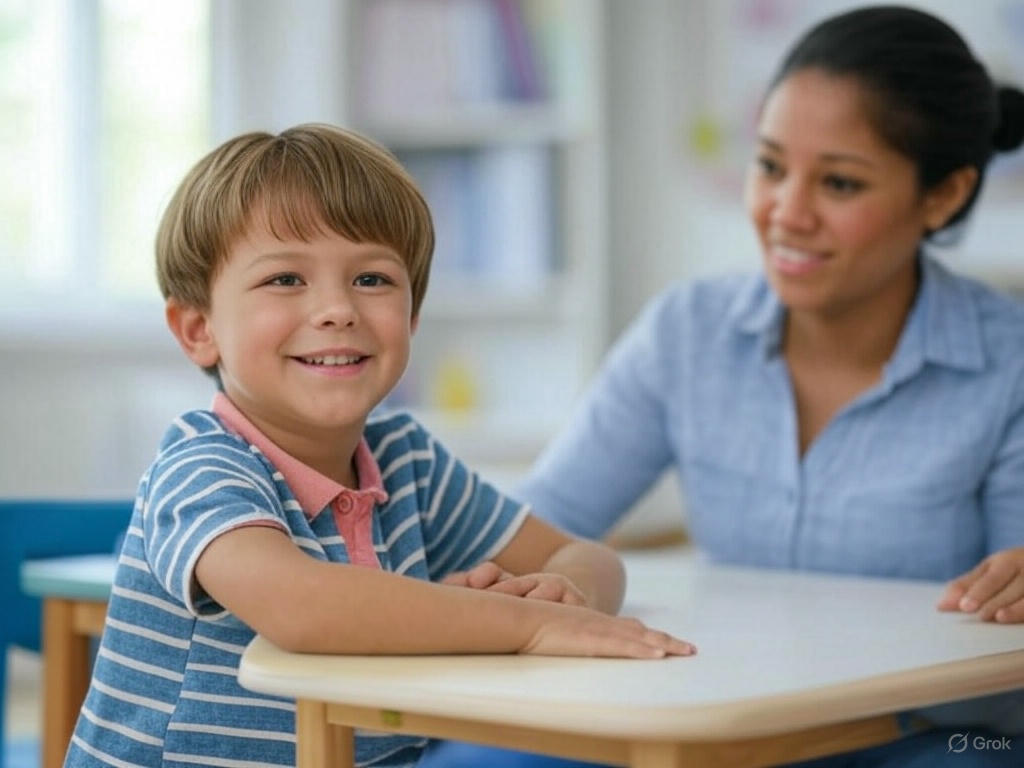


How to Foster Resilience Through Play
Understanding the Connection Between Play and Resilience
Play is more than just a fun activity for children; it is a critical component of their emotional and psychological development. Understanding how to foster resilience through play can help children navigate challenges and build coping mechanisms that last a lifetime.
Resilience, the ability to bounce back from adversity, is a skill that can be nurtured through various forms of play. Whether it’s imaginative play, outdoor activities, or social games, play provides a safe space for children to explore their emotions and develop problem-solving skills.
Research shows that children who engage in regular play are better equipped to handle stress and adapt to changes. Play allows them to experiment with different scenarios, learn from failures, and build confidence in their abilities.
By incorporating play into daily routines, parents and educators can create an environment that supports emotional growth and resilience. This article explores the science and strategies behind how to foster resilience through play.
The Science Behind Resilience: Why Play Matters
Resilience is not an innate trait; it is a skill that develops over time through experiences and interactions. Neuroscientific studies reveal that play stimulates the brain’s prefrontal cortex, which is responsible for decision-making, emotional regulation, and problem-solving.
When children engage in play, their brains release endorphins, which reduce stress and promote a sense of well-being. This chemical reaction helps them build a positive association with overcoming challenges, a key aspect of resilience.
Moreover, play encourages neuroplasticity, the brain’s ability to adapt and reorganize itself. This adaptability is crucial for developing resilience, as it enables children to learn from their experiences and apply those lessons to new situations.
Understanding the science behind how to foster resilience through play underscores its importance in childhood development. By prioritizing play, we can help children build a strong foundation for emotional and mental well-being.
Types of Play That Build Emotional Strength
Different types of play contribute uniquely to building resilience. Here are some key forms of play that foster emotional strength:
- Imaginative Play: Activities like role-playing or storytelling allow children to explore emotions and practice empathy.
- Physical Play: Games that involve movement, such as tag or sports, help children release pent-up energy and manage stress.
- Constructive Play: Building blocks or puzzles encourage problem-solving and perseverance.
- Social Play: Group activities teach teamwork, communication, and conflict resolution.
Each type of play offers unique opportunities for children to develop emotional resilience. For example, imaginative play helps them process complex emotions, while physical play provides an outlet for stress and anxiety.
By incorporating a variety of play types into a child’s routine, parents can ensure a well-rounded approach to fostering resilience through play.
How Play Encourages Problem-Solving Skills in Children
Problem-solving is a critical component of resilience, and play offers a natural way for children to develop this skill. Games and activities often present challenges that require creative thinking and decision-making.
For instance, building a tower with blocks teaches children to experiment with different structures and learn from their mistakes. Similarly, board games like chess or checkers encourage strategic thinking and planning.
Unstructured play also plays a role in problem-solving. When children create their own games or scenarios, they learn to navigate rules, negotiate with peers, and adapt to changing circumstances.
By understanding how to foster resilience through play, parents and educators can provide opportunities for children to develop these essential life skills in a fun and engaging way.
The Role of Social Play in Developing Resilience
Social play is a powerful tool for building resilience, as it teaches children how to interact with others, resolve conflicts, and build relationships. Activities like team sports, group games, or collaborative projects encourage cooperation and communication.
Through social play, children learn to navigate social dynamics, such as taking turns, sharing, and understanding different perspectives. These skills are essential for building strong, supportive relationships, which are a cornerstone of resilience.
For example, a game of soccer requires players to work together, strategize, and support each other. These experiences help children develop a sense of belonging and community, which can be a source of strength during challenging times.
By fostering social play, parents and educators can help children build the interpersonal skills needed to thrive in various social settings and overcome adversity.
Creative Play: Unlocking Emotional Expression and Coping Skills
Creative play, such as drawing, painting, or crafting, provides children with an outlet for emotional expression. This type of play allows them to process their feelings in a safe and constructive way.
For instance, a child who is feeling anxious might draw a picture to express their emotions. This act of creation can be therapeutic, helping them understand and manage their feelings.
Creative play also encourages problem-solving and innovation. When children engage in activities like building models or designing crafts, they learn to think outside the box and develop new solutions to challenges.
By incorporating creative play into daily routines, parents can help their children develop the emotional resilience needed to navigate life’s ups and downs.
Outdoor Play and Its Impact on Mental Well-Being
Spending time outdoors has been shown to have a positive impact on mental well-being. Outdoor play allows children to connect with nature, engage in physical activity, and experience a sense of freedom.
Activities like hiking, biking, or simply playing in a park can reduce stress and improve mood. The natural environment provides a calming backdrop that helps children recharge and build resilience.
Moreover, outdoor play often involves unstructured activities, which encourage creativity and problem-solving. For example, building a fort in the woods or organizing a scavenger hunt can teach children to think critically and work collaboratively.
By understanding how to foster resilience through play in outdoor settings, parents can provide their children with valuable opportunities for growth and development.
How to Incorporate Play into Daily Routines for Resilience
Incorporating play into daily routines doesn’t have to be complicated. Simple activities can have a significant impact on a child’s resilience and overall well-being.
- Set aside time each day for unstructured play, allowing children to explore their interests and creativity.
- Encourage family game nights to foster social connections and teamwork.
- Incorporate physical activities like bike rides or backyard games into your routine.
- Provide art supplies and encourage creative expression through drawing, painting, or crafting.
By making play a regular part of your child’s day, you can help them develop the skills and resilience needed to face life’s challenges with confidence.
Tips for Parents: Encouraging Resilient Play at Home
Parents play a crucial role in fostering resilience through play. Here are some tips to encourage resilient play at home:
- Be a role model by engaging in play with your child and demonstrating positive coping strategies.
- Create a safe and supportive environment where your child feels free to explore and make mistakes.
- Encourage a variety of play activities to develop different skills and interests.
- Limit screen time to ensure your child has ample opportunities for active and creative play.
By following these tips, parents can create a nurturing environment that supports their child’s emotional growth and resilience.
The Long-Term Benefits of Play in Building Resilient Adults
The benefits of fostering resilience through play extend far beyond childhood. The skills and coping mechanisms developed during play can have a lasting impact on an individual’s ability to navigate life’s challenges.
Resilient adults are better equipped to handle stress, adapt to change, and maintain healthy relationships. They are also more likely to succeed in their personal and professional lives, as they possess strong problem-solving and emotional regulation skills.
For example, a study by the American Academy of Pediatrics found that play is essential for healthy brain development and can even improve academic performance. These benefits highlight the importance of prioritizing play during childhood.
By understanding how to foster resilience through play, we can help shape a generation of emotionally strong and adaptable individuals who are prepared to face the challenges of the future.
FAQs
- What is the connection between play and resilience?
- Play helps children develop emotional strength, problem-solving skills, and social connections, all of which are essential for building resilience.
- How can parents foster resilience through play?
- Parents can encourage resilience by providing opportunities for various types of play, creating a supportive environment, and participating in play activities with their children.
- What types of play are best for building resilience?
- Imaginative play, physical play, social play, creative play, and outdoor play are all effective in fostering resilience in children.