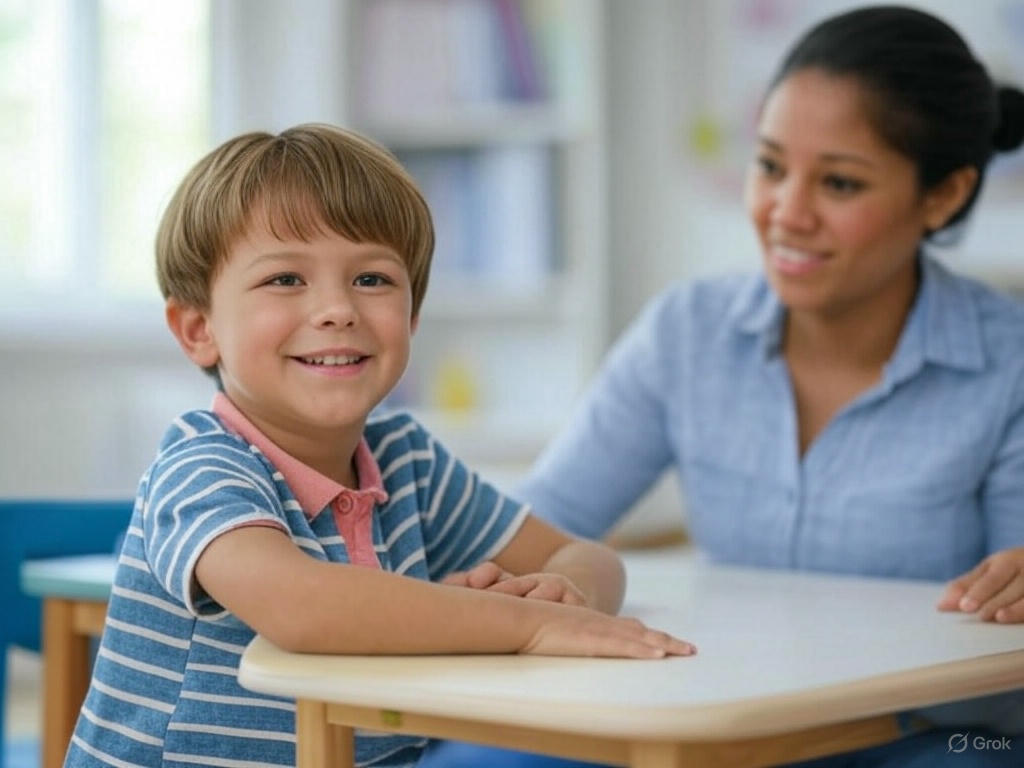


How Storytelling Improves Communication Skills
Storytelling is one of the oldest and most powerful tools of human expression. For children, it offers more than just entertainment. Storytelling fosters dynamic child development, nurtures creativity, and enhances key communication skills essential for lifelong success. For parents dedicated to improving their child’s communication abilities, storytelling is a fun and effective way to create meaningful connections and stimulate growth in critical areas such as language, behavior, and social skills.
In this article, we delve into how storytelling improves communication skills, its role in child growth, and how you can use it to aid your child’s overall development.
The Connection Between Storytelling and Communication Skills
Communication is not just about talking; it’s about expressing thoughts, emotions, and ideas effectively while also understanding those of others. Storytelling, with its inherent structure of characters, emotions, and narrative flow, becomes a natural communication teacher for children.
Here’s how storytelling can work wonders for your child’s communication skills:
1. Vocabulary and Language Development
Storytelling exposes children to rich vocabulary and grammatical structures that they might not often encounter in everyday conversations. Hearing stories encourages them to learn new words and understand how sentences are structured. This is especially true when parents use age-appropriate or slightly advanced language during storytelling sessions.
When a child hears a variety of words in context, they begin to adopt these words in their own communication. As a result, storytelling directly influences child growth in vocabulary and expression. Over time, children not only learn new words but also how to articulate their thoughts clearly.
2. Sharpens Listening Skills
Being a great communicator starts with being a good listener. Storytelling requires children to listen actively to understand what’s happening in the story. As they pay attention to tone, expressions, and pacing, they learn the importance of active listening, a pivotal aspect of communication.
Active listening also helps in adapting better behavior. A child who listens attentively tends to follow directions and express themselves more confidently. Through stories, children absorb these subtle, essential qualities naturally.
3. Encourages Emotional Intelligence
Storytelling teaches children about emotions, empathy, and perspective-taking. For example, when listening to a story about a character overcoming a struggle, children learn to step into the character’s shoes, understand their feelings, and think about solutions creatively.
By relating to characters, they become more sensitive to others’ emotions and learn to articulate their own feelings better. Parents can use this as an opportunity to discuss emotions and appropriate behavior, further improving the child’s self-expression and social abilities.
4. Fosters Imagination and Creativity
Engaging with stories fuels a child’s imagination. As children envision the narrated scenes, characters, and dialogues, they develop the ability to visualize and structure complex ideas.
This enhanced creativity subsequently improves their ability to narrate their thoughts more vividly. For instance, your child might start retelling a favorite story in their own words, which strengthens their ability to both express themselves and understand how tales are structured — an essential foundation of good communication.
Using Storytelling in Everyday Life for Child Development
Incorporating storytelling in your child’s routine doesn’t require expensive tools or elaborate setups. All you need is your voice, creativity, and enthusiasm. Here are a few practical ways storytelling can be integrated into your child’s life:
1. Make Bedtime Stories a Ritual
Bedtime stories are not just a nostalgic tradition; they’re a powerful developmental tool. Reading books or narrating stories during bedtime helps build language and sparks a love for storytelling.
Encourage your child to ask questions about the story. Let them predict the outcomes or discuss what they might do if they were the characters in the story. This practice not only strengthens parent-child bonds but also cultivates their critical thinking and conversational skills.
2. Encourage Them to Create Their Own Stories
Get your child involved by asking them to tell you a story. Give them a prompt or a scenario to start with and let their imagination take the lead. Even if their narrative is simple or a little jumbled, showcase encouragement, as this will nurture their confidence in expressing themselves.
You can also help refine their stories by asking questions like, “What happens next?” or “Can you describe the character a bit more?” This nudging builds their storytelling ability and broader communication skills.
3. Use Visual Aids and Props
Children often respond enthusiastically to visual stimuli. Use puppets, toys, or flashcards to weave thrilling stories. These tools help solidify narrative building and make the process more engaging for kids.
Furthermore, using expressive body language and varying your tone of voice during storytelling allows children to learn how to communicate beyond words, building well-rounded interpersonal skills.
The Long-Term Impact of Storytelling on Child Development
Regular storytelling doesn’t just sharpen immediate communication skills; it lays the groundwork for lifelong abilities. Children who grow up with storytelling often demonstrate better public speaking capabilities, critical thinking, and problem-solving tendencies.
Even behavioral issues can be addressed through stories that model positive traits and actions. For example, a tale about friendship and sharing can help a child struggling with social issues or behavioral adjustment. Storytelling becomes a soft yet impactful way to guide your child towards better habits and interpersonal behavior.
For parents who want to explore advanced resources or personal guidance to nurture their child’s emotional and behavioral growth, Prashast Foundation offers tools and support focused on holistic child development.
Seeking Additional Support?
While storytelling is a powerful activity, some children might require tailored support to overcome specific communication barriers or behavioral challenges. In such cases, professional child therapy could be a helpful option. If you’re considering expert help, feel free to schedule a consultation for Child Therapy Support via this link.
In Conclusion
Storytelling is much more than an enjoyable pastime — it is a transformative activity that offers children an endless array of benefits. By infusing stories into your child’s life, you provide them with the tools they need to succeed in their communication journey and beyond.
Parents, take the step today; pick up a book, spin a tale, or inspire your child to create their own stories. The ripple effects of storytelling on your child’s growth and communication skills will be long-lasting, creating a foundation for them to thrive socially, emotionally, and intellectually.