

Activities That Strengthen Hand-Eye Coordination in Children
Hand-eye coordination is a fundamental skill that plays a vital role in a child’s overall development. From catching a ball to tying their shoelaces, this ability bridges the gap between visual perception and physical movement. Strengthening hand-eye coordination not only helps with physical tasks but also enhances cognitive development, fine motor skills, and even social behavior. For parents seeking to foster well-rounded child growth, incorporating activities that develop this skill can lead to positive outcomes in their child’s daily life.
In this article, we will cover practical and enjoyable activities that help nurture hand-eye coordination in children across different age groups. Whether your child is a toddler learning to grasp objects or a school-age child trying their hand at sports, these activities will inspire growth and development.
Why Is Hand-Eye Coordination Important for Child Development?
Hand-eye coordination is a skill that helps children integrate motor and sensory processes. It involves the brain’s ability to coordinate what the eyes see with how the hands move. Properly developed hand-eye coordination enables children to engage in tasks such as writing, drawing, playing instruments, and participating in sports.
Strengthening this ability contributes to:
- Cognitive Development: Enhances problem-solving skills, spatial awareness, and decision-making abilities.
- Physical Development: Improves fine motor skills, balance, and muscle strength.
- Social Behavior: Participating in group activities like sports nurtures cooperation, teamwork, and communication skills.
For parents aiming to support holistic child growth, focusing on hand-eye coordination can set the stage for future success.
Fun and Effective Activities to Boost Hand-Eye Coordination
Here are some simple yet impactful activities that can help build your child’s coordination skills:
1. Catch and Throw Games
Playing catch is a timeless activity perfect for developing hand-eye coordination. Start by tossing a soft ball back and forth with your child. As they get better, you can introduce more challenges, like increasing the distance or using smaller balls.
For younger children, use lightweight, colorful balls that are easy to see and handle. Older kids can try activities like frisbee or even juggling, which require more refined coordination and quick reflexes.
2. Building Blocks or LEGO
Encourage your child to let their creativity flow with building blocks or LEGO sets. These activities not only enhance hand-eye coordination but also promote spatial awareness and fine motor control.
Ask your child to build a specific structure, such as a tower or a house, which challenges them to plan and execute their ideas using their hands and eyes in sync.
3. Crafting and Drawing
Arts and crafts are excellent for combining creativity with skill development. Tasks like tracing shapes, coloring within the lines, and cutting out paper figures help children improve their precision. Drawing or painting can also refine fine motor skills while engaging their imagination.
Simple craft projects can include threading beads onto a string, creating paper collages, or assembling simple DIY kits.
4. Video Games and Interactive Apps
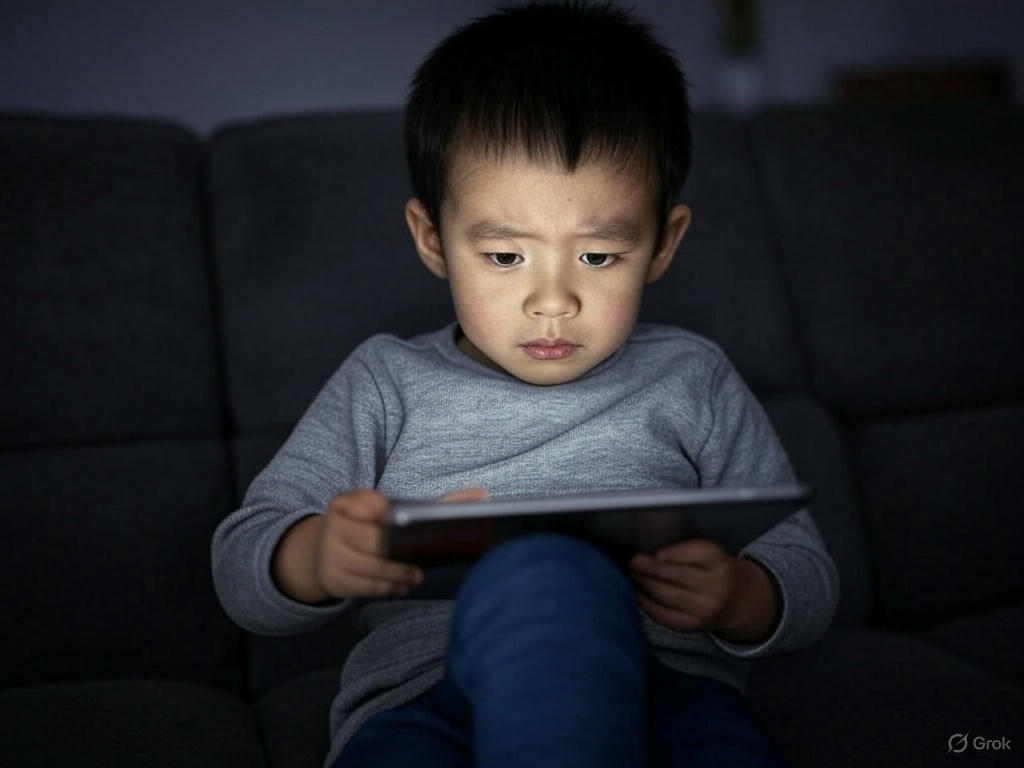
Thoughtful use of technology can do wonders for hand-eye coordination. Age-appropriate video games or interactive apps designed for learning can improve reflexes, timing, and visual-motor skills.
Choose games with educational value, such as problem-solving or puzzle games, to enhance cognitive development while also improving hand-eye coordination. However, be mindful of screen time and ensure it’s balanced with physical activities.
5. Obstacle Courses
Create an obstacle course at home or in the backyard, incorporating activities like crawling through tunnels, jumping over objects, and balancing on beams. These movements require focus and coordination, making them perfect for improving motor skills.
You can also include activities like tossing bean bags into a bucket or using a paddle to hit a ball through hoops, adding an extra dimension of fun and skill-building.
6. Cooking and Baking Together
Involving children in cooking or baking not only teaches life skills but also helps improve hand-eye coordination. Tasks like rolling dough, whisking eggs, or measuring ingredients require precise hand movements and a visual guide.
Children enjoy being part of the process, and cooking together provides a fantastic opportunity to bond with them while fostering their developmental skills.
7. Playdough and Clay Molding
Playdough and clay are incredibly effective for improving fine motor skills and tactile coordination. Encourage your child to mold animals, shapes, or even letters and numbers.
This activity strengthens hand muscles, enhances dexterity, and teaches them to adapt their eye-to-hand movement while shaping the material.
Encouraging Growth Through Therapy Support
As you nurture your child’s development, keep in mind that patience and encouragement are key. While many children pick up hand-eye coordination skills naturally over time, others may benefit from extra support.
If you notice delays or challenges in your child’s physical coordination or behavior, don’t hesitate to seek guidance from professionals. Child therapy programs can provide personalized strategies to address developmental concerns. Scheduling a consultation through this therapy support link can give you insights into how therapy can complement your child’s unique needs.
Expert Resources for Parents
For more hands-on strategies and advice on fostering child growth, visit Prashast, a trusted resource for parents dedicated to the holistic development of children. You’ll find valuable information on child behavior, learning techniques, and tools to support every milestone in their journey.
Final Thoughts
Strengthening hand-eye coordination goes beyond physical benefits. It is an essential part of child development that influences how children learn, interact, and build life skills. By incorporating fun and engaging activities such as catch, crafts, cooking, or obstacle courses, parents can contribute significantly to their child’s growth.
Through these efforts, you’ll not only enhance their coordination abilities but also boost their confidence, problem-solving skills, and creativity. Remember to balance these structured activities with free play and exploration, as effective learning often happens when children engage in activities they love.
Taking an active role in your child’s development can prepare them for success in school, sports, and beyond. With the right set of tools, activities, and expert support, you can empower your child to thrive in every aspect of life.