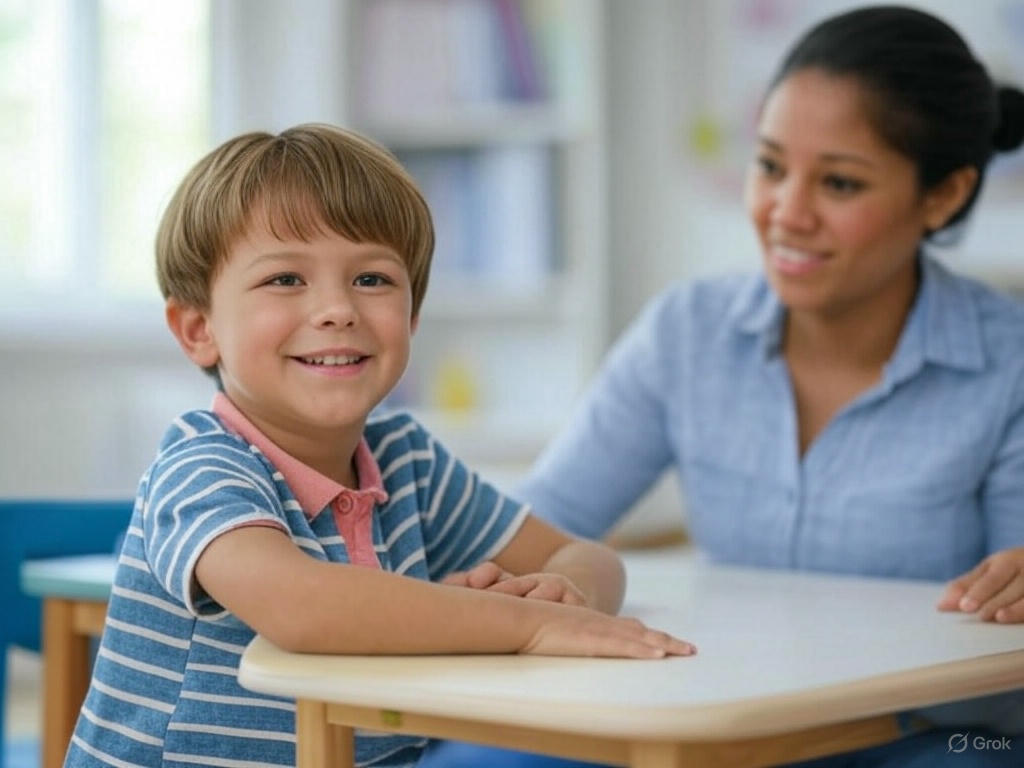


Emotional Regulation Techniques for Kids Under 5: A Guide for Parents
Raising a child under the age of five is one of the most exciting yet challenging journeys for parents. As your little one grows and develops, emotional regulation becomes a crucial building block in their overall growth, behavior management, and social interactions. Helping a young child learn how to recognize and manage their emotions not only supports their present well-being but shapes the foundation for their future mental health.
In this article, we’ll explore effective emotional regulation techniques for kids under five. These strategies are designed to support their emotional and behavioral development, enabling them to thrive in their early years.
Why Emotional Regulation Matters in Early Childhood
Emotional regulation refers to the ability to manage emotions in a healthy and constructive way. For children under five, it’s a skill that’s not innate but learned over time, often with the guidance of parents and caregivers. Teaching emotional regulation in the early years supports a child’s overall development—from enhancing their communication skills to fostering better adaptability in challenging situations.
Children with strong emotional regulation skills are better equipped to handle frustration, social interactions, and transitions. They’re also more likely to have a positive self-image, reduced behavioral issues, and improved relationships with family and peers. For parents aiming to nurture their child’s emotional well-being, a focused and compassionate approach is key.
Effective Emotional Regulation Techniques
Here are some practical techniques to nurture emotional regulation skills in children under five:
1. Build Emotional Awareness
Start by helping your child identify and name their emotions. Use simple language to label how they’re feeling—happy, sad, angry, scared, or excited. Picture books, flashcards, or role-playing games can also be great tools for this.
For example:
- If your child feels upset, you might say, “I see that you’re feeling sad because your toy broke.”
- When they’re excited, you can remark, “You seem happy that we’re going to the park!”
When children understand their emotions, they’re better able to express and regulate them. Emotional awareness plays a crucial role in early childhood development and lays the groundwork for self-regulation later in life.
2. Encourage Breathing Exercises
Simple breathing exercises are highly effective for calming little ones during moments of distress. They’re easy to teach and can help children focus on regulating their upset feelings. One popular technique is “Bubble Breathing.” Explain to your child that they’re pretending to blow a big bubble:
- Inhale deeply through the nose for a count of three.
- Exhale slowly through the mouth as if blowing up a bubble.
Practicing deep breathing makes children feel more secure and helps regulate emotions like anxiety, anger, or overstimulation.
3. Create a Calming Space
Having a special “calm corner” or relaxation space at home can make a significant difference. Fill it with comforting items like a soft rug, stuffed toys, or sensory bottles. Encourage your child to go to this space when they’re feeling overwhelmed.
This technique reminds children that it’s okay to take a break and process how they’re feeling. Over time, they’ll use this methodology as a healthy strategy to manage stress and sensory overload independently.
4. Model Emotional Regulation
Children are like sponges—they absorb and mimic the behaviors they see in adults. As a parent, modeling healthy emotional regulation sends a powerful message.
- If you’re upset, articulate how you feel in a calm way: “I’m frustrated because I spilled my coffee. I’ll clean it up, and everything will be okay.”
- Let your child observe how you cope with negative emotions constructively, like taking deep breaths, pausing to think, or remaining calm during arguments.
By demonstrating healthy emotional responses, you become a role model for your child.
5. Use Narratives and Role-Playing
Storytelling and pretend play are tools children naturally gravitate toward. Books, puppet shows, or role-playing scenarios focused on emotions can help your child learn how to handle difficult feelings. For example, act out a scenario where a favorite teddy bear feels scared and needs help calming down. Let your child guide the teddy bear through coping strategies like hugging or breathing exercises.
This playful approach makes the lessons engaging while simultaneously building problem-solving and empathy skills.
6. Practice Empathy
Teaching young children empathy strengthens their understanding of emotions, both in themselves and others. For example, if your child sees a sibling crying, ask how they think their sibling feels and what might help. By encouraging empathy, your child will learn to be more compassionate and supportive in their interactions.
7. Set Consistent Routines
Predictability and routine make young children feel secure—a crucial factor for preventing meltdowns. Consistent meal times, sleep schedules, and activity patterns ease transitions and help reduce emotional chaos in daily life.
Help your child anticipate upcoming changes by offering clear guidance. For instance, use a visual schedule or offer gentle reminders like, “After we eat lunch, it’ll be nap time.”
Supporting Parents in Raising Emotionally Resilient Kids
Helping a child develop emotional regulation skills is no small feat—especially for parents juggling multiple responsibilities. This is where external support programs can play a critical role in guiding both parents and children toward success.
If you’re feeling stuck or unsure of how to facilitate emotional growth and behavioral development in your child, reaching out to child therapy professionals can be a game-changer. Services like Prashast: Empowering Families provide tailored resources and expert guidance to support families through the complexities of early childhood.
Additionally, for personalized child therapy support, feel free to schedule a consultation, where professionals can offer effective tools and strategies for your specific parenting challenges.
Final Thoughts
Emotional regulation is a pivotal skill that shapes how children grow, adapt, and connect with others throughout life. By incorporating these techniques into your parenting routine, you can create a nurturing environment that fosters your child’s emotional intelligence, behavioral stability, and overall development. The earlier you start, the stronger their foundation will be.
We know that parents play the most critical role in a child’s growth—but remember, you don’t have to do it all alone. Equip yourself with expert resources and give your child the best tools to thrive emotionally, socially, and mentally in their early years. With patience, consistency, and love, you’ll guide your little one to shine in every aspect of life.