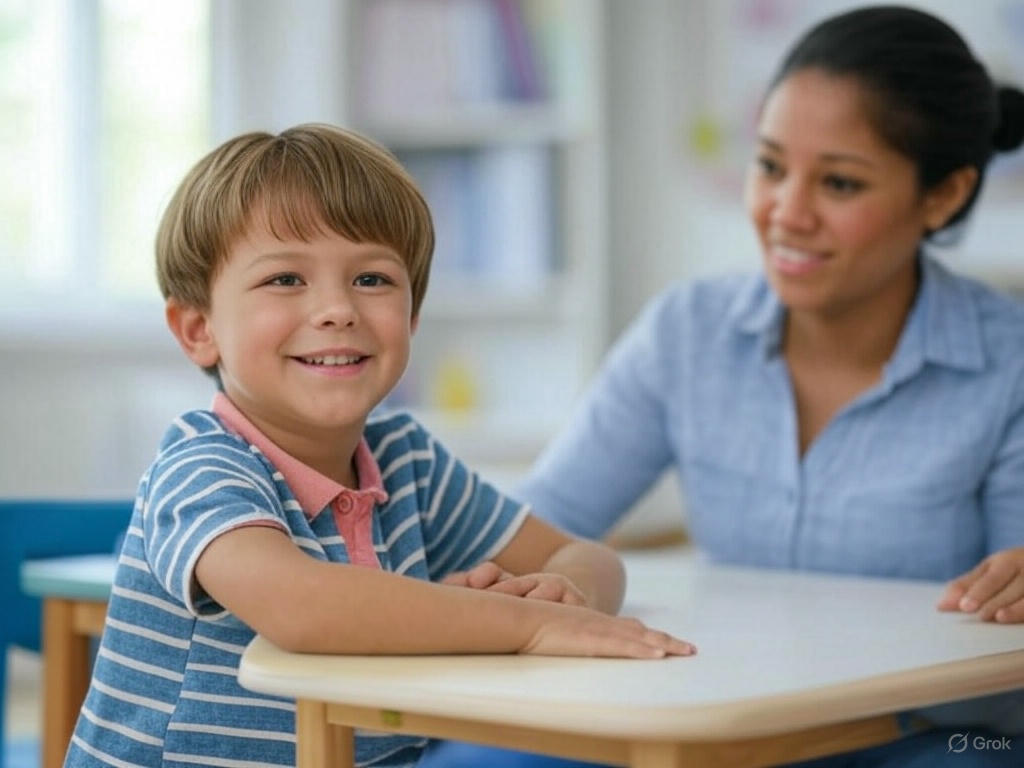


How to Teach Sharing Without Forcing It: Nurturing the Art of Generosity in Children
Teaching kids to share can seem like an uphill battle, especially when their unbridled sense of individuality and ownership kicks in during playtime. However, sharing isn’t simply about fairness—it’s about fostering empathy, enhancing social skills, and preparing your child for healthy relationships in life. Forcing a child to share, though, often meets resistance. It can make them anxious or even resentful, ultimately sabotaging your efforts.
So, how do you teach sharing in a way that feels natural, empowering, and beneficial for your child? This article will provide mindful, child-development-based strategies for teaching the value of sharing while supporting your child’s growth and emotional well-being.
Why Teaching Sharing Matters in Child Development
Sharing is a critical milestone in early childhood development. It helps children learn cooperation, compromise, and consideration for others. These concepts are not only vital for their current social interactions but also pave the way for positive relationships later in life.
As children grow and develop, their understanding of “ownership” evolves. Very young children often cling possessively to objects—it’s a typical developmental phase and not a sign of selfishness. The key is to guide them gently through this stage while helping them build skills like empathy, negotiation, and cooperative play.
Reframing the Approach: Why Forcing Kids to Share Doesn’t Work
It’s tempting to intervene aggressively when your toddler refuses to part with their favorite toy at a playdate. However, coercing a child into sharing can backfire because:
- It Breeds Resentment: When a child is forced to give up something they cherish, they might harbor negative feelings toward the act of sharing itself.
- It Diminishes Autonomy and Confidence: Ownership is an essential concept for children to understand, and stripping them of autonomy reduces their confidence and sense of control.
- It’s Not Teaching Empathy: True sharing comes from understanding and kindness, not from fear of punishment or coercion.
Instead of enforcing sharing as a rule, focus on cultivating a deeper comprehension of empathy and social harmony.
Strategies for Teaching Sharing Without Forcing It
1. Model Generosity
Children learn by observing. Show them what generosity looks like in daily life. For example, offer to share a snack or participate in a back-and-forth game that involves taking turns. Use inviting language, such as “Would you like to try this?” or “I’d love to share my things with you!”
When children see sharing as a natural part of adult behaviors, they’re more likely to model it themselves.
2. Provide Opportunities for Cooperative Play
Activities like building blocks, puzzles, or collaborative art projects provide a framework for teamwork, teaching children the value of working together. These settings naturally encourage sharing and taking turns.
By creating situations where success depends on collaboration, you’re reinforcing the idea that sharing is not about losing something but gaining a stronger connection with others.
3. Use the “When You’re Ready” Approach
If your child isn’t ready to hand over a toy, don’t pressure them. Instead, say, “When you’re ready, you can let them use it too.” This shows respect for their feelings and gives them the autonomy to make their own decision, which fosters independence and emotional growth.
When the child eventually chooses to share of their own accord, praise their generosity, saying things like, “It was so kind of you to let them play with your toy!”
4. Teach Turn-Taking
Turn-taking is an excellent way to introduce the concept of sharing without the pressure of giving something up completely. Use a timer or take part in the activity to set clear parameters around turns. For example, “It’s Jacob’s turn for two minutes, and then it’ll be your turn.”
This structured approach helps kids feel secure while also understanding the reciprocal nature of sharing.
5. Empathize and Acknowledge Feelings
If your child struggles to share, acknowledge their emotions. Say, “It’s hard to share your toy because you really love it.” Validating a child’s feelings teaches them that their emotions are heard and respected, which fosters trust and emotional resilience.
By addressing their emotional responses, you’re also equipping them with skills to navigate future conflicts on their own.
6. Read Stories About Sharing
Books are excellent tools for teaching challenging concepts like generosity and sharing. Stories featuring relatable characters in similar scenarios can help children understand why sharing matters and how it benefits everyone involved.
For example, books like The Rainbow Fish by Marcus Pfister or Llama Llama Time to Share by Anna Dewdney teach children the virtues of sharing through vibrant narratives and relatable experiences.
Support Your Child’s Growth Holistically
Fostering a spirit of generosity in children isn’t just about teaching them to share—it’s about supporting their holistic development. Every child learns social skills at their own pace, so be patient and emphasize progress over perfection.
If your child consistently struggles with social behaviors like sharing or taking turns, it might be worth exploring professional support. Child therapists and developmental specialists can help uncover the underlying causes and offer tailored strategies.
For personalized child growth and behavioral support, visit Prashast, a rich resource for parents navigating the complexities of child development. You can also schedule a one-on-one consultation for Child Therapy support tailored to your little one’s unique needs.
Final Thoughts: Empowering Generosity from Within
The key to teaching your child to share lies in encouraging genuine empathy and intrinsic motivation rather than rigid rules or coercion. By modeling generous behavior, providing opportunities for cooperative play, and respecting your child’s emotions, you enable them to view sharing as a positive, enriching act rather than a chore.
Remember, teaching your child to share is a journey, not a one-time lesson. With patience and intentional guidance, you can nurture their capacity for generosity and set the stage for healthy, fulfilling social relationships throughout their lives.