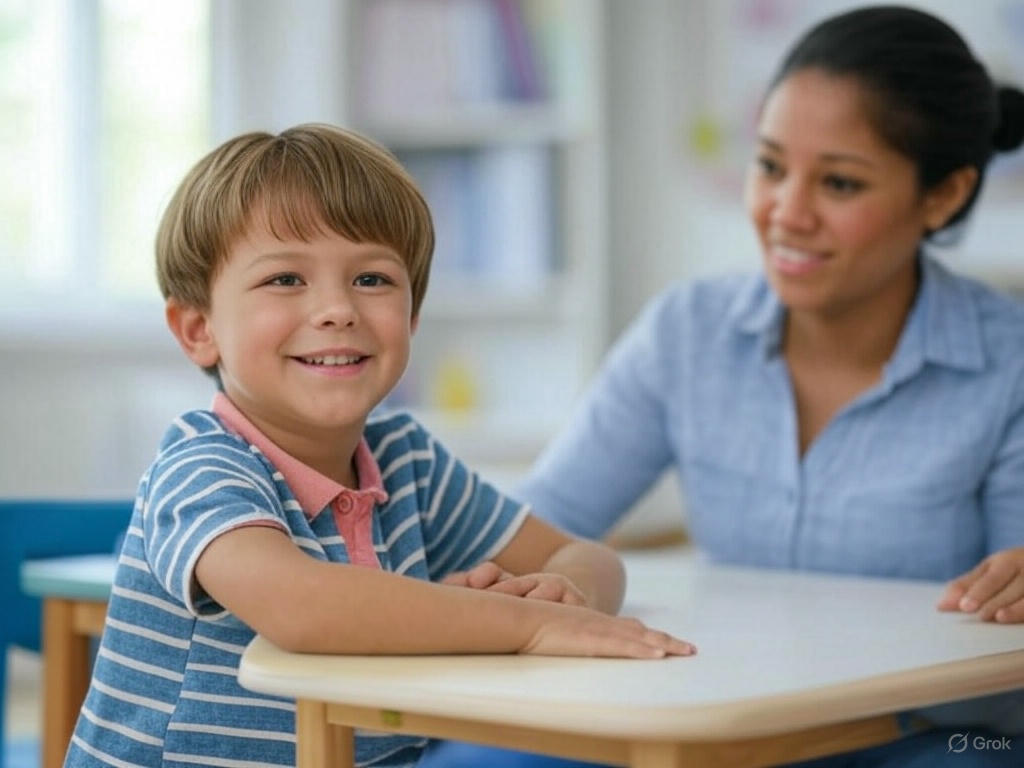


Introduction to How to Teach Kids About Personal Boundaries
Teaching kids about personal boundaries is an essential part of their emotional and social development. By setting clear boundaries and encouraging healthy relationships, you can help your child develop a strong sense of self and build confidence in their interactions with others.
Personal boundaries are the limits we set for ourselves to protect our physical, emotional, and mental well-being. They help us define what is and isn’t acceptable behavior from others and enable us to maintain healthy relationships.
The Importance of Teaching Kids About Personal Boundaries
Teaching kids about personal boundaries is crucial for their overall well-being and development. By setting clear boundaries, you can help your child:
Develop a strong sense of self and identity
Build confidence and self-esteem
Learn to communicate effectively and assertively
Develop healthy relationships with others
Protect themselves from emotional and physical harm
Modeling Healthy Boundaries for Your Kids
As a parent, you are your child’s most significant role model. By modeling healthy boundaries, you can teach your child the importance of setting limits and respecting others’ boundaries.
Here are some ways to model healthy boundaries for your kids:
Set clear boundaries with your child and others
Communicate your needs and expectations clearly
Respect others’ boundaries and personal space
Practice self-care and prioritize your own needs
Setting and Enforcing Healthy Boundaries with Your Kids
Setting clear boundaries with your child is essential for their development and well-being. Here are some tips for setting and enforcing healthy boundaries:
Communicate your expectations clearly
Set clear consequences for misbehavior
Be consistent and fair in your discipline
Respect your child’s boundaries and personal space
Practicing Empathy and Active Listening with Your Kids
Practicing empathy and active listening with your child is essential for building trust and understanding. By listening to your child’s needs and concerns, you can help them develop emotional intelligence and build strong relationships.
Here are some tips for practicing empathy and active listening with your kids:
Give your child your undivided attention
Listen to their concerns and validate their emotions
Ask open-ended questions to encourage communication
Reflect your child’s feelings and needs back to them
Teaching Kids to Be Assertive and Set Their Own Boundaries
Teaching kids to be assertive and set their own boundaries is an essential part of their development. By encouraging assertiveness, you can help your child build confidence and develop healthy relationships.
Here are some tips for teaching kids to be assertive and set their own boundaries:
Role-play different social scenarios with your child
Encourage your child to express their needs and wants clearly
Teach your child to use “I” statements to express their feelings
Practice assertive communication with your child
Common Challenges When Teaching Kids About Personal Boundaries
Teaching kids about personal boundaries can be challenging, especially if you’re not used to setting clear limits or communicating effectively. Here are some common challenges you may face:
Difficulty setting clear boundaries with your child
Struggling to communicate your needs and expectations clearly
Dealing with resistance or pushback from your child
Managing your own emotions and reactions to your child’s behavior
Conclusion
Teaching kids about personal boundaries is an essential part of their emotional and social development. By setting clear boundaries, modeling healthy relationships, and encouraging assertiveness, you can help your child build confidence and develop healthy relationships.
Remember, teaching kids about personal boundaries takes time, patience, and practice. Be consistent, communicate clearly, and respect your child’s boundaries and personal space.
For more information on teaching kids about personal boundaries, check out the American Psychological Association’s article on teaching children about boundaries.
If you’re looking for more tips on setting healthy boundaries with your child, read our article on setting healthy boundaries with kids.