


Introduction to How to Improve Vocabulary in 3-Year-Olds
At three years old, children are like sponges, absorbing new information and learning at an incredible rate. Developing a strong vocabulary is essential for their future academic success and social interactions. As a parent or caregiver, you play a vital role in helping your child build a robust vocabulary. In this article, we’ll explore the best ways to improve vocabulary in 3-year-olds, providing you with actionable tips and strategies to support their language development.
Creating a Language-Rich Environment
To improve vocabulary in 3-year-olds, it’s essential to create a language-rich environment that fosters a love for words and communication. This can be achieved by:
- Talking to your child regularly, using descriptive language to explain objects, actions, and emotions.
- Labeling objects and pictures, encouraging your child to repeat the words.
- Playing word games, such as “What’s the opposite of…?” or “Can you think of a word that starts with…?”
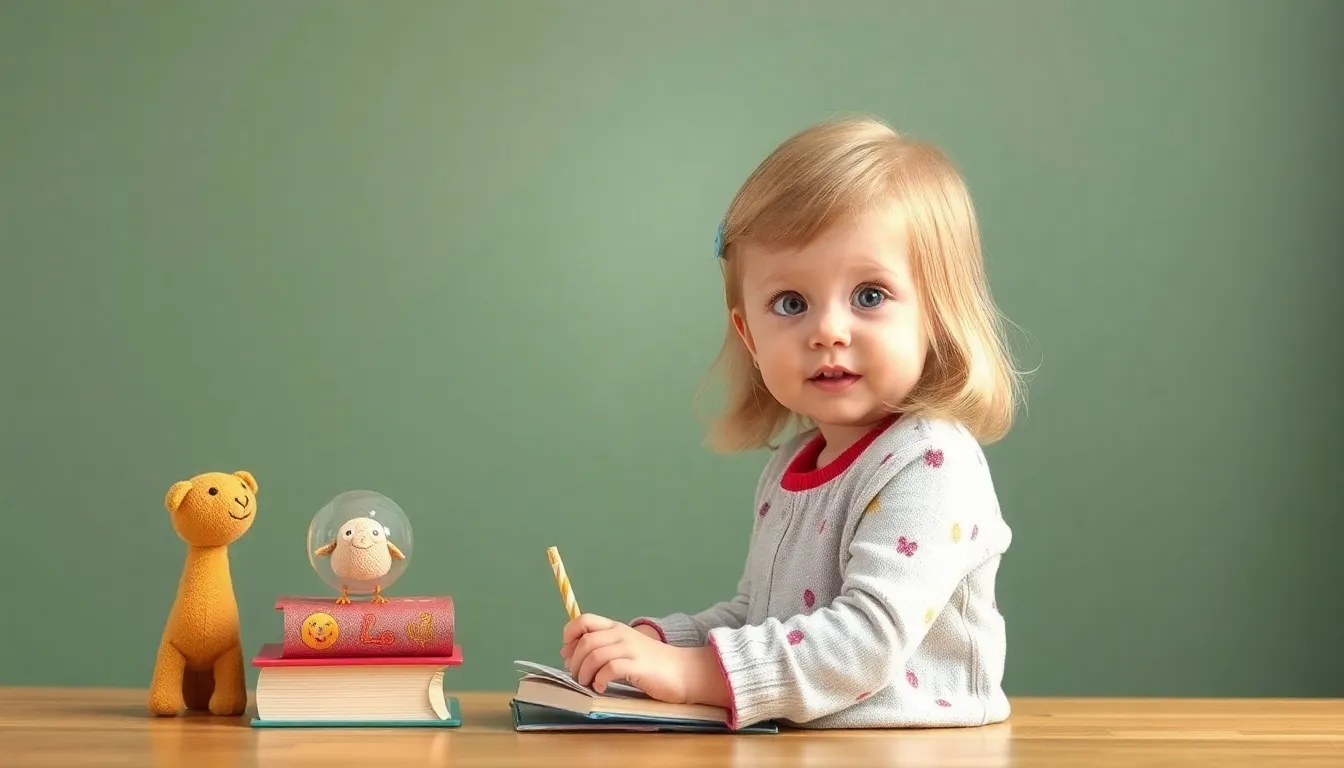
According to the National Institute of Child Health and Human Development, a language-rich environment can have a significant impact on a child’s vocabulary development. By surrounding your child with words, you’re helping them build a strong foundation for future language skills.
Reading Aloud: A Powerful Vocabulary Builder
Reading aloud is one of the most effective ways to improve vocabulary in 3-year-olds. When you read to your child, you’re exposing them to a wide range of words, phrases, and sentence structures. This helps them develop phonological awareness, comprehension skills, and a deeper understanding of language.
Choose books with engaging stories, colorful illustrations, and simple language that your child can understand. As you read, point to the words and encourage your child to repeat them. This interactive approach will help them develop a love for reading and learning.
Encouraging Conversation and Building Relationships
Conversation is a critical component of vocabulary development. By engaging in regular conversations with your child, you’re helping them develop their language skills, build relationships, and understand the nuances of communication.
Encourage your child to talk about their day, their interests, and their feelings. Listen attentively to their responses, asking open-ended questions to prompt further discussion. This will help them develop their critical thinking skills, build confidence in their language abilities, and improve their vocabulary.
A study by the Harvard Family Research Project found that children who engage in regular conversations with their caregivers have better language skills, higher IQs, and stronger social skills. By encouraging conversation, you’re giving your child the gift of lifelong language skills.
Using Real Objects to Teach Vocabulary
Using real objects is an effective way to teach vocabulary to 3-year-olds. This approach helps them connect words with tangible objects, making language more meaningful and memorable.
For example, if you’re teaching your child the word “apple,” show them a real apple, explaining its texture, taste, and smell. This multisensory approach will help them develop a deeper understanding of the word and its meaning.

The National Association for the Education of Young Children recommends using real objects to teach vocabulary, as it helps children develop their critical thinking skills, problem-solving abilities, and language skills.
Making Vocabulary Learning Fun and Engaging
Vocabulary learning doesn’t have to be boring or tedious. By making it fun and engaging, you can encourage your child to develop a love for words and language.
Try incorporating games, puzzles, and activities that promote vocabulary development, such as:
- Word scavenger hunts, where your child has to find objects that match specific words.
- Vocabulary Bingo, where your child matches words with pictures or objects.
- Language-themed crafts, such as making word cards or vocabulary collages.
By making vocabulary learning fun, you’re helping your child develop a positive attitude towards language and learning.
Conclusion
In conclusion, improving vocabulary in 3-year-olds requires a multifaceted approach that incorporates a language-rich environment, reading aloud, conversation, real objects, and fun activities. By following these expert tips and strategies, you can help your child develop a strong vocabulary, setting them up for future academic success and social interactions.
Remember, every child learns at their own pace, so be patient, consistent, and supportive. With time and practice, your child will develop a robust vocabulary, enabling them to communicate effectively and thrive in a rapidly changing world.
Learn more about how to improve vocabulary in children from Scholastic.
Discover the importance of reading aloud to children and how it can improve their language skills.