

-
Table of Contents
“Empowering Minds, Embracing Differences.”
Introduction
Mental health and learning disabilities intersect in complex and profound ways, shaping the experiences and challenges faced by individuals navigating both realms. Learning disabilities, which affect how people process information and acquire skills, often coexist with mental health conditions such as anxiety, depression, or behavioral disorders. This dual impact can create unique barriers to education, social integration, and emotional well-being. Understanding the relationship between mental health and learning disabilities is essential for developing effective support systems, fostering resilience, and promoting inclusive environments that empower individuals to thrive despite their challenges.
Understanding The Intersection Of Mental Health And Learning Disabilities
The intersection of mental health and learning disabilities is a complex and multifaceted area that requires careful consideration and understanding. Both mental health challenges and learning disabilities can significantly impact an individual’s daily life, but when they coexist, the effects can be compounded, creating unique challenges that require tailored approaches to support and intervention. Understanding this intersection is essential for educators, mental health professionals, caregivers, and society as a whole to ensure that individuals facing these dual challenges are provided with the resources and opportunities they need to thrive.
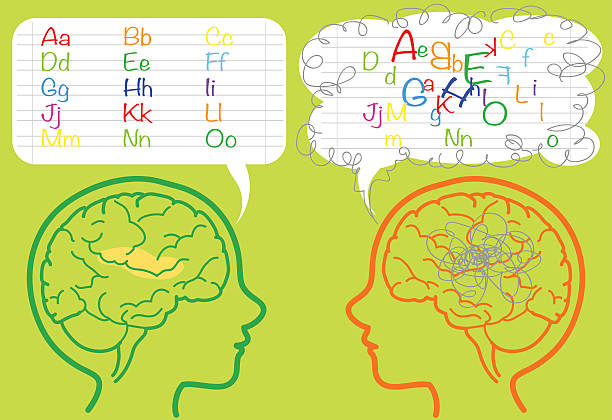
Learning disabilities, such as dyslexia, dyscalculia, and attention-deficit/hyperactivity disorder (ADHD), are neurological conditions that affect how individuals process, retain, and express information. These disabilities are not indicative of intelligence or potential but rather reflect differences in how the brain functions. On the other hand, mental health conditions, such as anxiety, depression, and mood disorders, affect emotional well-being, thought processes, and behavior. While these two areas may seem distinct, research has shown that they are often interconnected, with individuals who have learning disabilities being at a higher risk of developing mental health challenges.
One of the primary reasons for this overlap is the emotional toll that learning disabilities can take on an individual. Struggling to meet academic or social expectations can lead to feelings of frustration, inadequacy, and low self-esteem. Over time, these feelings may contribute to the development of anxiety or depression, particularly if the individual lacks a supportive environment or access to appropriate interventions. For example, a child with dyslexia who is repeatedly criticized for poor reading skills may internalize these negative experiences, leading to a diminished sense of self-worth and heightened emotional distress. Similarly, the constant effort required to compensate for a learning disability can result in chronic stress, which is a known risk factor for mental health issues.
Conversely, mental health challenges can exacerbate the difficulties associated with learning disabilities. Anxiety, for instance, can impair concentration and memory, making it even harder for someone with a learning disability to process information effectively. Depression can sap motivation and energy, further hindering academic or occupational performance. This bidirectional relationship underscores the importance of addressing both mental health and learning disabilities simultaneously rather than treating them as separate issues. Failure to do so can result in a cycle where each condition reinforces the other, making it increasingly difficult for the individual to achieve their full potential.
Recognizing the intersection of these challenges also highlights the need for a multidisciplinary approach to support. Educators play a crucial role in creating inclusive learning environments that accommodate diverse needs, while mental health professionals can provide therapeutic interventions to address emotional well-being. Collaboration between these fields is essential to develop comprehensive strategies that address both the cognitive and emotional aspects of an individual’s experience. For instance, cognitive-behavioral therapy (CBT) can be adapted to help individuals with learning disabilities manage anxiety or build resilience, while educational interventions can be designed to reduce stress by focusing on strengths and providing appropriate accommodations.
Ultimately, fostering awareness and understanding of the intersection between mental health and learning disabilities is a critical step toward creating a more inclusive and supportive society. By acknowledging the unique challenges faced by individuals at this crossroads and providing integrated support systems, we can empower them to overcome barriers and lead fulfilling lives. This requires not only professional expertise but also compassion, patience, and a commitment to recognizing the inherent value and potential of every individual, regardless of the challenges they face.
Strategies For Supporting Mental Health In Individuals With Learning Disabilities
Supporting the mental health of individuals with learning disabilities requires a nuanced and compassionate approach that considers the unique challenges they face. Learning disabilities, which can affect areas such as reading, writing, math, and problem-solving, often coexist with mental health conditions like anxiety, depression, or low self-esteem. This intersection creates a complex dynamic that demands tailored strategies to promote emotional well-being while addressing cognitive and educational needs. By fostering an environment of understanding, collaboration, and individualized care, it is possible to create meaningful support systems that enhance both mental health and overall quality of life.
One of the most effective strategies for supporting mental health in individuals with learning disabilities is early identification and intervention. Recognizing the signs of emotional distress or mental health challenges at an early stage allows for timely support, which can prevent issues from escalating. Educators, caregivers, and healthcare professionals play a critical role in this process by observing behavioral changes, such as withdrawal, frustration, or sudden shifts in mood. Once identified, a multidisciplinary approach that includes mental health professionals, special education experts, and family members can be implemented to address the individual’s needs holistically.
Creating a supportive and inclusive environment is another essential strategy. Individuals with learning disabilities often face stigma or feelings of inadequacy, which can exacerbate mental health challenges. By fostering a culture of acceptance and understanding, caregivers and educators can help reduce these negative experiences. This can be achieved through open communication, positive reinforcement, and celebrating individual strengths rather than focusing solely on areas of difficulty. Encouraging self-advocacy and providing opportunities for individuals to express their thoughts and feelings can also empower them to take an active role in managing their mental health.
Tailored interventions that address both learning and emotional needs are crucial for effective support. Cognitive-behavioral therapy (CBT), for example, has been shown to be beneficial for individuals with learning disabilities who experience anxiety or depression. However, it is important to adapt therapeutic approaches to align with the individual’s cognitive abilities and communication style. Visual aids, simplified language, and hands-on activities can make therapeutic techniques more accessible and engaging. Similarly, educational strategies that incorporate multisensory learning and individualized instruction can help reduce frustration and build confidence, which in turn supports mental well-being.
Collaboration between professionals and families is another cornerstone of effective support. Parents and caregivers often have deep insights into the individual’s strengths, challenges, and triggers, making their involvement invaluable. Regular communication between families, educators, and mental health professionals ensures that strategies are consistent across different settings, providing a sense of stability and continuity. Additionally, offering training and resources to families can equip them with the tools they need to support their loved ones effectively.
Finally, promoting self-care and resilience is essential for long-term mental health. Teaching individuals with learning disabilities practical coping skills, such as mindfulness, relaxation techniques, or problem-solving strategies, can help them navigate stress and build emotional resilience. Encouraging participation in activities that bring joy and a sense of accomplishment, such as art, music, or sports, can also contribute to a positive self-image and overall well-being.
In conclusion, supporting the mental health of individuals with learning disabilities requires a multifaceted approach that addresses both emotional and cognitive needs. By focusing on early intervention, creating inclusive environments, tailoring interventions, fostering collaboration, and promoting resilience, it is possible to provide meaningful support that enhances their quality of life. Through these efforts, we can ensure that individuals with learning disabilities are not only able to overcome challenges but also thrive in their personal and educational journeys.
Building Inclusive Educational Environments For Mental Health And Learning Disabilities
Building inclusive educational environments for individuals with mental health challenges and learning disabilities requires a multifaceted approach that addresses both the structural and interpersonal aspects of education. These environments must be designed to foster a sense of belonging, provide equitable access to resources, and accommodate the diverse needs of all learners. By integrating mental health awareness and learning disability support into educational frameworks, institutions can create spaces where every student has the opportunity to thrive academically, socially, and emotionally.
One of the foundational steps in building such environments is recognizing the intersectionality of mental health and learning disabilities. While these challenges are distinct, they often coexist, creating unique barriers to learning and participation. For instance, a student with dyslexia may also experience anxiety due to the stress of navigating academic tasks that require reading. Similarly, a student with ADHD might struggle with depression stemming from feelings of inadequacy or social isolation. Understanding these overlapping challenges is essential for educators, administrators, and policymakers to develop strategies that address the whole student rather than isolating one aspect of their experience.
To achieve inclusivity, schools and educational institutions must prioritize early identification and intervention. Screening processes that assess both mental health and learning disabilities can help identify students who may require additional support. However, these processes must be implemented with sensitivity to avoid stigmatization. Educators and staff should be trained to recognize signs of mental health struggles and learning difficulties while fostering an environment of empathy and understanding. This training can empower teachers to approach students with compassion, ensuring that interventions are supportive rather than punitive.
Equally important is the implementation of individualized support systems. Personalized learning plans, accommodations, and modifications can help students overcome barriers to success. For example, providing extended time on tests, offering alternative formats for assignments, or incorporating assistive technologies can make a significant difference for students with learning disabilities. Simultaneously, mental health support services, such as counseling, peer support groups, and mindfulness programs, can help students manage stress, build resilience, and develop coping strategies. When these supports are integrated into the fabric of the educational environment, they become a natural part of the learning experience rather than an exception.
Collaboration among stakeholders is another critical component of inclusivity. Parents, educators, mental health professionals, and community organizations must work together to create a cohesive support network for students. Open communication between these groups ensures that students’ needs are consistently met across different settings. For instance, a teacher who is aware of a student’s therapy goals can reinforce those strategies in the classroom, creating a seamless connection between mental health care and education.
Moreover, fostering a culture of acceptance and understanding is essential for reducing stigma and promoting inclusivity. Schools can achieve this by incorporating social-emotional learning (SEL) into their curricula, teaching students about empathy, self-awareness, and the value of diversity. Peer education programs can also play a role in normalizing conversations about mental health and learning disabilities, helping to create a supportive community where differences are celebrated rather than marginalized.
Ultimately, building inclusive educational environments for mental health and learning disabilities is not a one-size-fits-all endeavor. It requires ongoing commitment, adaptability, and a willingness to listen to the voices of those directly impacted. By prioritizing inclusivity, schools can empower all students to reach their full potential, ensuring that no one is left behind in their pursuit of education and personal growth.
Q&A
1. **Question:** What are common mental health challenges faced by individuals with learning disabilities?
**Answer:** Anxiety, depression, and low self-esteem are common mental health challenges faced by individuals with learning disabilities.
2. **Question:** How can mental health support be tailored for individuals with learning disabilities?
**Answer:** Support can be tailored by using clear communication, visual aids, simplified language, and involving caregivers or support networks in therapy.
3. **Question:** What role does early intervention play in addressing mental health issues in individuals with learning disabilities?
**Answer:** Early intervention helps identify and address mental health issues promptly, reducing long-term impacts and improving coping strategies and overall well-being.
Conclusion
The intersection of mental health and learning disabilities highlights the complex interplay between cognitive challenges and emotional well-being. Individuals with learning disabilities are at a higher risk of experiencing mental health issues such as anxiety, depression, and low self-esteem due to academic struggles, social stigma, and feelings of inadequacy. Addressing this intersection requires a holistic approach that integrates tailored educational strategies, mental health support, and inclusive environments to foster resilience, self-confidence, and overall well-being. By recognizing and addressing the unique needs of this population, society can create pathways for empowerment, growth, and success.