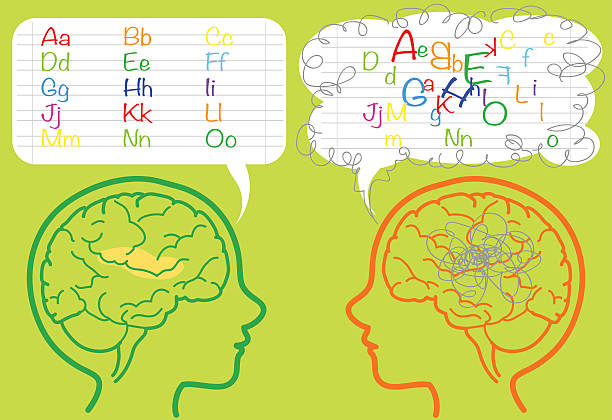


-
Table of Contents
“Unlocking the Strengths of the Dyslexic Mind.”
Introduction
*The Dyslexia Advantage: Unlocking the Hidden Potential of the Dyslexic Brain* is a groundbreaking book by Drs. Brock and Fernette Eide that challenges traditional perceptions of dyslexia. Rather than viewing it solely as a learning disability, the authors explore how the unique brain wiring of individuals with dyslexia can lead to exceptional strengths in areas such as creativity, problem-solving, spatial reasoning, and entrepreneurial thinking. Drawing on scientific research, real-life stories, and practical insights, the book aims to shift the narrative around dyslexia, empowering individuals to embrace their differences and harness their distinctive talents for success.
Unlocking Creativity: How Dyslexia Fuels Innovative Thinking
Dyslexia, often characterized by difficulties with reading, writing, and spelling, is frequently misunderstood as a purely academic challenge. However, recent research and anecdotal evidence from successful individuals with dyslexia suggest that this condition is not merely a limitation but also a source of unique strengths. Among these strengths, the ability to think creatively and approach problems from unconventional angles stands out as a defining characteristic. This phenomenon, often referred to as the “dyslexia advantage,” highlights how the neurological differences associated with dyslexia can fuel innovative thinking and unlock untapped potential.
At its core, dyslexia is rooted in differences in brain structure and function, particularly in areas related to language processing. While these differences can make traditional literacy tasks more challenging, they also contribute to enhanced abilities in other domains, such as spatial reasoning, pattern recognition, and holistic thinking. These cognitive strengths often enable individuals with dyslexia to see connections and possibilities that others might overlook. For example, the ability to think in three dimensions and visualize complex systems has been linked to dyslexia, making individuals with this condition particularly adept in fields such as architecture, engineering, and design. This capacity to think beyond linear frameworks allows for the generation of novel ideas and solutions, a hallmark of creative and innovative thought.
Moreover, the challenges associated with dyslexia often foster resilience, adaptability, and problem-solving skills. From an early age, individuals with dyslexia must navigate a world that is largely designed for neurotypical learners. This experience can cultivate a mindset that embraces alternative approaches and unconventional strategies. Over time, this adaptability becomes a valuable asset, enabling individuals to tackle complex problems with ingenuity and persistence. Many successful entrepreneurs, inventors, and artists with dyslexia credit their ability to think differently as a key factor in their achievements. By reframing obstacles as opportunities for growth, they demonstrate how dyslexia can serve as a catalyst for innovation.
In addition to cognitive and problem-solving strengths, dyslexia often enhances creative expression. Many individuals with dyslexia excel in fields that require originality and imagination, such as the arts, storytelling, and music. This creative aptitude is thought to stem from a preference for visual and experiential learning, as well as a tendency to process information in a more global or big-picture manner. By focusing on overarching themes and concepts rather than minute details, individuals with dyslexia can produce work that is both visionary and impactful. This ability to think expansively is particularly valuable in today’s rapidly changing world, where innovation and creativity are increasingly prized.
It is important to note, however, that the dyslexia advantage does not diminish the very real challenges that individuals with this condition face. Access to appropriate support, accommodations, and resources remains essential to help them reach their full potential. By fostering an environment that recognizes and nurtures their unique strengths, society can empower individuals with dyslexia to contribute their talents in meaningful ways. As we continue to deepen our understanding of dyslexia, it becomes clear that its impact extends far beyond the realm of academic performance. By embracing the diverse ways in which people think and learn, we can unlock a wealth of creativity and innovation that benefits everyone.
The Strengths of Dyslexic Minds in Problem-Solving and Big-Picture Thinking
Dyslexia, often characterized by difficulties with reading, writing, and spelling, is frequently misunderstood as a purely negative condition. However, research and anecdotal evidence increasingly highlight the unique strengths associated with dyslexic minds, particularly in the realms of problem-solving and big-picture thinking. These cognitive advantages, while sometimes overshadowed by the challenges dyslexia presents, offer valuable insights into how individuals with this condition can excel in various fields and contribute meaningfully to society. By shifting the narrative from deficit to difference, we can better appreciate the distinctive ways in which dyslexic thinkers approach complex problems and innovate in diverse domains.
One of the most notable strengths of dyslexic individuals lies in their ability to think holistically. Unlike linear thinkers, who often focus on step-by-step processes, dyslexic minds tend to process information in a more global and integrative manner. This big-picture thinking enables them to see connections and patterns that others might overlook. For instance, in fields such as architecture, design, and engineering, dyslexic professionals often excel at visualizing spatial relationships and conceptualizing intricate systems. Their capacity to synthesize disparate pieces of information into cohesive frameworks allows them to approach challenges with a fresh perspective, often leading to innovative solutions that break conventional molds.
Closely tied to this holistic approach is the ability of many dyslexic individuals to think creatively and outside the box. Because they are accustomed to navigating around traditional methods of learning and problem-solving, they develop a natural aptitude for unconventional thinking. This adaptability fosters resilience and ingenuity, traits that are invaluable in tackling complex or ambiguous problems. In entrepreneurial settings, for example, dyslexic thinkers often demonstrate a knack for identifying opportunities and devising strategies that others might not consider. Their ability to reframe challenges as opportunities for innovation underscores the unique contributions they can make in dynamic and fast-paced environments.
Another key strength of dyslexic minds is their heightened capacity for visual and spatial reasoning. Studies have shown that many individuals with dyslexia possess an exceptional ability to manipulate three-dimensional objects in their minds, a skill that proves advantageous in professions requiring spatial awareness. This talent is particularly evident in fields such as art, engineering, and technology, where the ability to conceptualize and execute complex designs is paramount. Furthermore, this spatial reasoning often extends to an intuitive understanding of systems and processes, enabling dyslexic individuals to identify inefficiencies and propose improvements with remarkable precision.
In addition to their creative and spatial strengths, dyslexic individuals often exhibit strong problem-solving skills rooted in their ability to think divergently. Divergent thinking, which involves generating multiple solutions to a single problem, is a hallmark of dyslexic cognition. This approach contrasts with convergent thinking, which focuses on arriving at a single correct answer. By exploring a wide range of possibilities, dyslexic thinkers are able to approach problems from multiple angles, increasing the likelihood of discovering innovative and effective solutions. This skill is particularly valuable in collaborative settings, where diverse perspectives are essential for addressing complex challenges.
While the challenges associated with dyslexia should not be minimized, it is equally important to recognize and celebrate the strengths that often accompany this condition. By fostering environments that value diverse cognitive styles, we can empower dyslexic individuals to leverage their unique abilities in problem-solving and big-picture thinking. In doing so, we not only support their personal and professional growth but also enrich the collective potential of our communities and industries.
Harnessing Dyslexia for Success: Stories of Resilience and Achievement
Dyslexia, often characterized by difficulties with reading, writing, and spelling, is frequently misunderstood as a limitation. However, a growing body of research and personal narratives reveals that dyslexia can also be a source of unique strengths and untapped potential. While the challenges associated with dyslexia are undeniable, many individuals have demonstrated remarkable resilience and have leveraged their distinct cognitive abilities to achieve extraordinary success. By reframing dyslexia as a difference rather than a deficit, society can better appreciate the diverse talents that often accompany this condition.
One of the most compelling aspects of dyslexia is the way it fosters creative problem-solving and out-of-the-box thinking. Studies suggest that individuals with dyslexia often excel in areas such as spatial reasoning, pattern recognition, and holistic thinking. These strengths can be attributed to differences in how the dyslexic brain processes information, often favoring big-picture perspectives over linear, detail-oriented approaches. For example, renowned entrepreneur Richard Branson has spoken openly about his struggles with traditional academics due to dyslexia. Yet, his ability to think innovatively and take calculated risks has been instrumental in building the Virgin Group into a global empire. Branson’s story underscores how dyslexia, when paired with determination and the right support, can become a powerful asset.
Similarly, many individuals with dyslexia develop exceptional resilience and adaptability as a result of navigating their challenges. The process of overcoming obstacles in school or the workplace often instills a strong work ethic and a capacity for perseverance. Consider the story of Erin Brockovich, the environmental activist whose dyslexia did not deter her from uncovering one of the largest corporate cover-ups in American history. Her ability to connect seemingly unrelated pieces of information and her relentless drive to seek justice exemplify how dyslexic individuals can channel their unique abilities to make a profound impact.
In addition to fostering creativity and resilience, dyslexia often enhances interpersonal skills. Many people with dyslexia develop heightened emotional intelligence, empathy, and communication abilities, which can be invaluable in leadership roles. This is evident in the experiences of individuals like Daymond John, the founder of FUBU and a prominent investor on the television show *Shark Tank*. John has credited his dyslexia with helping him become a better listener and communicator, skills that have been critical to his success in business negotiations and team-building.
While these stories of achievement are inspiring, it is important to acknowledge that success does not come without effort or support. Early intervention, access to resources, and a supportive environment are crucial in helping individuals with dyslexia unlock their potential. Educators, employers, and families play a pivotal role in fostering an atmosphere where dyslexic individuals feel empowered to embrace their strengths and address their challenges. By shifting the narrative around dyslexia from one of limitation to one of possibility, society can create opportunities for more people to thrive.
Ultimately, the stories of resilience and achievement among individuals with dyslexia serve as a testament to the human capacity for growth and adaptation. They remind us that diversity in cognitive processing is not a weakness but a valuable asset that can drive innovation, creativity, and success. By harnessing the unique advantages of dyslexia, individuals can not only overcome their challenges but also redefine what it means to achieve greatness.
Q&A
1. **What is “The Dyslexia Advantage”?**
“The Dyslexia Advantage” is a book by Drs. Brock and Fernette Eide that explores the strengths and unique cognitive abilities associated with dyslexia, such as spatial reasoning, creativity, and problem-solving.
2. **What are some strengths highlighted in the book?**
The book emphasizes strengths like interconnected reasoning, narrative reasoning, dynamic reasoning, and visual-spatial thinking, which are often enhanced in individuals with dyslexia.
3. **Who is the target audience for the book?**
The book is aimed at individuals with dyslexia, parents, educators, and professionals seeking to understand and leverage the positive aspects of dyslexia.
Conclusion
“The Dyslexia Advantage” highlights the unique strengths and talents associated with dyslexia, reframing it as a difference rather than a deficit. The book emphasizes how individuals with dyslexia often excel in areas such as spatial reasoning, creativity, problem-solving, and interconnected thinking, offering valuable contributions to various fields. By fostering understanding and leveraging these strengths, society can better support and empower individuals with dyslexia to thrive.