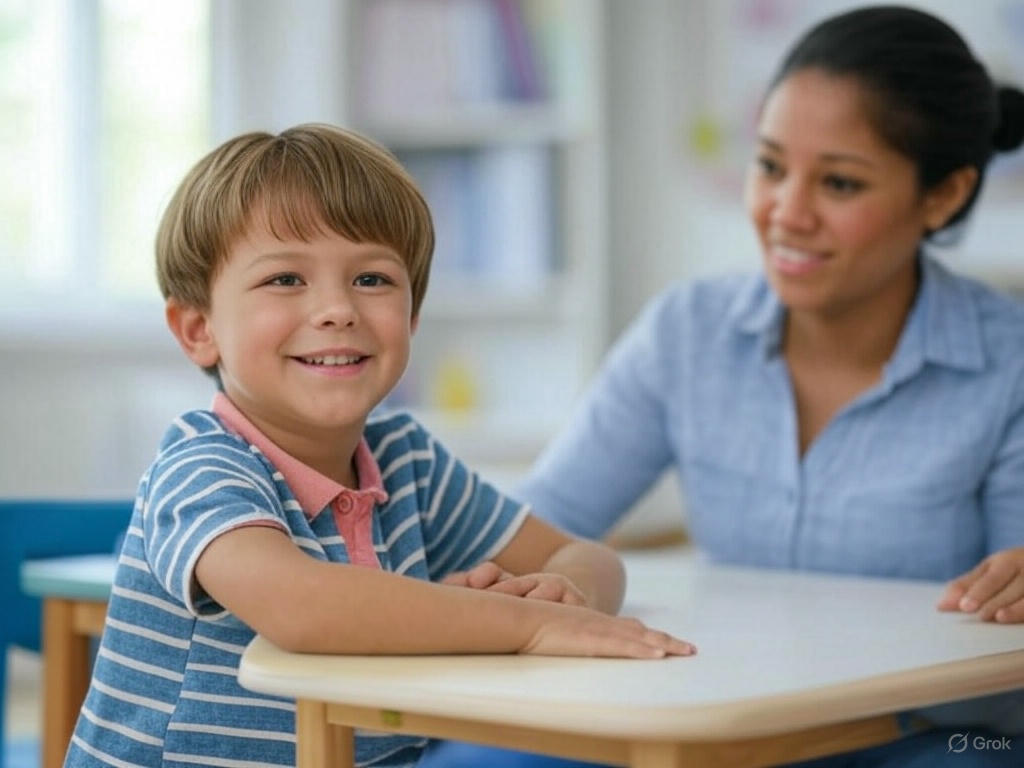


How Play Therapy Supports Emotional Development
What Is Play Therapy? An Overview
Play therapy is a structured, evidence-based approach that uses play as a medium to help children explore and express their emotions. It is particularly effective for children who may struggle to articulate their feelings verbally. By engaging in play, children can communicate their inner world in a safe and supportive environment.
Developed by child psychologists and therapists, play therapy is widely used to address emotional, behavioral, and social challenges. It is grounded in the understanding that play is a natural form of communication for children. Through guided play sessions, therapists can observe, interpret, and address emotional issues.
Play therapy supports emotional development by creating a space where children feel understood and validated. This therapeutic approach is suitable for children aged 3 to 12, although it can be adapted for older individuals with developmental challenges.
According to the Association for Play Therapy, this method has been proven effective in helping children cope with trauma, anxiety, depression, and other emotional difficulties. It is a cornerstone of child-focused mental health interventions.
The Connection Between Play and Emotional Growth
Play is more than just a recreational activity; it is a vital component of a child’s emotional growth. Through play, children learn to process their experiences, understand their emotions, and develop coping mechanisms. This is why play therapy is so effective in supporting emotional development.
For example, a child who has experienced a traumatic event may use play to reenact the situation, allowing them to process their feelings in a non-threatening way. This helps them make sense of their emotions and begin the healing process.
Research shows that play stimulates brain development, particularly in areas related to emotional regulation and social interaction. By engaging in therapeutic play, children can strengthen these neural pathways, leading to improved emotional health.
Play therapy supports emotional development by providing children with the tools they need to navigate complex emotions. It fosters self-awareness, empathy, and resilience, all of which are crucial for emotional well-being.
Key Principles of Play Therapy in Emotional Development
The effectiveness of play therapy lies in its foundational principles, which are designed to support emotional development. These principles include creating a safe environment, fostering a strong therapeutic relationship, and using play as a medium for expression.
- Safety and Trust: A secure and non-judgmental space is essential for children to open up emotionally.
- Child-Centered Approach: The therapy is tailored to the child’s unique needs and emotional state.
- Symbolic Play: Play is used as a symbolic language to help children express feelings they cannot verbalize.
- Empathy and Validation: Therapists validate the child’s emotions, helping them feel understood and supported.
By adhering to these principles, play therapy supports emotional development in a holistic and effective manner.
How Play Therapy Helps Children Express Their Feelings
One of the primary ways play therapy supports emotional development is by helping children express their feelings. Many children lack the vocabulary or confidence to articulate their emotions, which can lead to frustration and behavioral issues.
Through activities like drawing, role-playing, and using toys, children can externalize their emotions in a way that feels natural and safe. For instance, a child dealing with anger might use a doll to act out their feelings, providing the therapist with valuable insights.
Play therapy also encourages children to identify and label their emotions. This is a critical step in emotional development, as it helps them understand what they are feeling and why.
By facilitating emotional expression, play therapy not only alleviates immediate distress but also equips children with lifelong skills for managing their emotions.
The Role of Play in Building Emotional Resilience
Emotional resilience is the ability to bounce back from adversity, and play therapy is instrumental in building this trait. Through guided play, children learn to navigate challenges, solve problems, and adapt to new situations.
For example, a child who struggles with social anxiety might engage in role-playing scenarios that mimic real-life interactions. Over time, this practice helps them build confidence and resilience.
Play therapy supports emotional development by teaching children that it is okay to make mistakes and that challenges can be overcome. This mindset is crucial for emotional resilience.
Studies have shown that children who participate in play therapy are better equipped to handle stress and are less likely to develop long-term emotional issues.
Techniques Used in Play Therapy to Foster Emotional Health
Play therapists use a variety of techniques to support emotional development. These techniques are tailored to the child’s age, needs, and emotional state.
- Sand Tray Therapy: Children use miniature figures to create scenes in a sandbox, allowing them to express complex emotions.
- Art Therapy: Drawing and painting are used to help children externalize their feelings.
- Role-Playing: Acting out scenarios helps children practice emotional regulation and problem-solving.
- Storytelling: Creating or listening to stories helps children process their experiences and emotions.
These techniques are designed to make therapy engaging and effective, ensuring that play therapy supports emotional development in meaningful ways.
Benefits of Play Therapy for Emotional Regulation
Emotional regulation is a critical aspect of emotional development, and play therapy excels in this area. By engaging in therapeutic play, children learn to identify, understand, and manage their emotions.
For instance, a child who struggles with anger might use a punching bag or clay to release their frustration. Over time, they learn healthier ways to cope with their emotions.
Play therapy supports emotional development by teaching children that emotions are natural and manageable. This understanding is crucial for emotional regulation.
Parents often report significant improvements in their child’s ability to handle stress and conflict after participating in play therapy.
Play Therapy and Its Impact on Social Skills Development
Social skills are closely tied to emotional development, and play therapy addresses both areas simultaneously. Through interactive play, children learn to communicate, cooperate, and empathize with others.
For example, group play therapy sessions provide opportunities for children to practice sharing, taking turns, and resolving conflicts. These skills are essential for building healthy relationships.
Play therapy supports emotional development by fostering a sense of empathy and understanding. Children learn to recognize and respect the emotions of others, which is a cornerstone of social interaction.
Improved social skills not only enhance a child’s relationships but also contribute to their overall emotional well-being.
Why Play Therapy Is Effective for Children with Emotional Challenges
Play therapy is particularly effective for children facing emotional challenges such as anxiety, depression, or trauma. Its child-centered approach ensures that therapy is tailored to the individual’s needs.
For instance, a child who has experienced a loss might use play to process their grief, while a child with ADHD might benefit from activities that improve focus and emotional regulation.
Play therapy supports emotional development by addressing the root causes of emotional challenges. It provides children with the tools they need to cope and thrive.
According to studies, children who undergo play therapy show significant improvements in emotional health, behavior, and academic performance.
Choosing the Right Play Therapist for Your Child’s Emotional Needs
Finding the right play therapist is crucial for ensuring that play therapy supports emotional development effectively. Look for a licensed professional with specialized training in play therapy.
Consider factors such as the therapist’s experience, approach, and rapport with your child. A good therapist will create a safe and welcoming environment where your child feels comfortable.
It is also important to involve yourself in the process. Many therapists offer parent consultations to discuss progress and strategies for supporting your child’s emotional development at home.
For more resources on inclusive education and disability screening, visit Prashast.
Conclusion
In summary, play therapy supports emotional development by providing children with a safe space to express their feelings, build resilience, and develop social skills. Its child-centered approach and proven techniques make it an effective tool for addressing emotional challenges.
Whether your child is dealing with anxiety, trauma, or behavioral issues, play therapy offers a compassionate and effective path to emotional well-being. By choosing the right therapist and engaging in the process, you can help your child thrive emotionally and socially.
FAQ
- What age group benefits most from play therapy?
- Play therapy is most effective for children aged 3 to 12, but it can be adapted for older individuals with developmental challenges.
- How long does it take to see results from play therapy?
- The duration varies depending on the child’s needs, but many parents report improvements within a few months of consistent sessions.
- Can play therapy help with trauma?
- Yes, play therapy is highly effective in helping children process and heal from traumatic experiences.