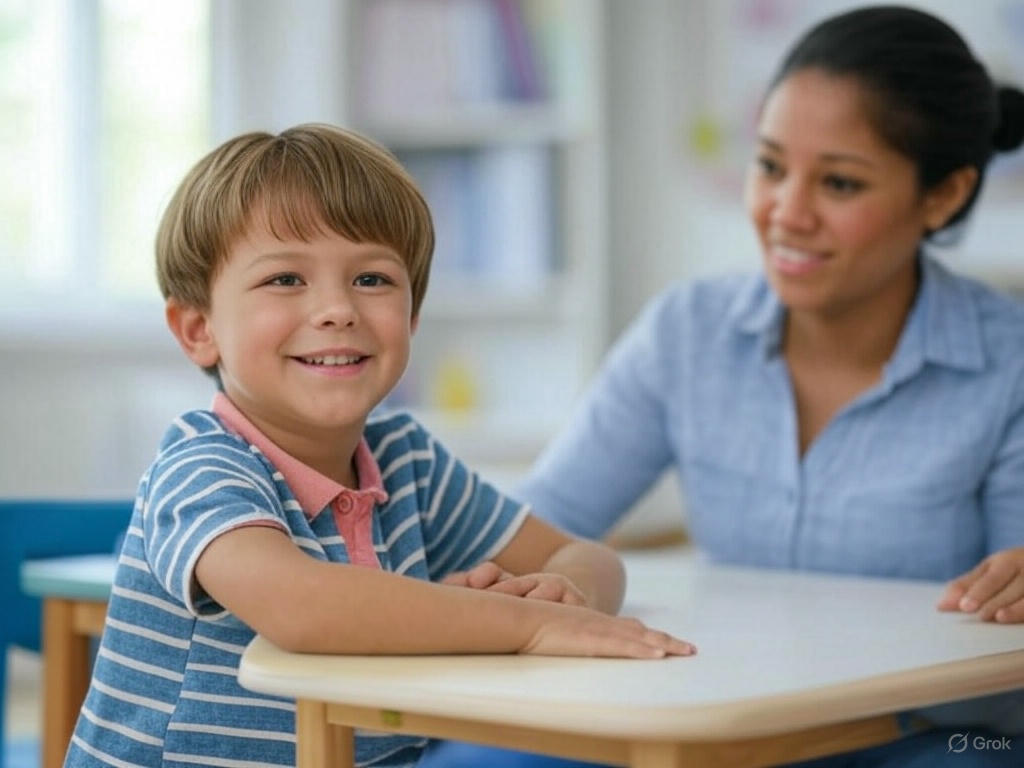


How to Build Resilience in Young Children
Understanding the Importance of Resilience in Early Childhood
Resilience is the ability to bounce back from challenges, adapt to change, and thrive despite adversity. In early childhood, building resilience is crucial as it lays the foundation for emotional well-being and success later in life. Children who develop resilience are better equipped to handle stress, build healthy relationships, and navigate life’s ups and downs.
Research shows that resilient children are more likely to excel academically, socially, and emotionally. According to a study by the American Psychological Association, resilience in young children is linked to higher self-esteem and better problem-solving skills. This makes it essential for parents and caregivers to focus on fostering resilience from an early age.
Understanding how to build resilience in young children involves recognizing the unique challenges they face and equipping them with the tools to overcome these obstacles. By doing so, we empower them to grow into confident, capable individuals.
In this article, we will explore practical strategies and actionable tips to help parents and caregivers nurture resilience in young children, ensuring they thrive in all aspects of life.
Key Traits of Resilient Young Children
Resilient young children exhibit several key traits that enable them to cope with challenges effectively. These traits include emotional regulation, problem-solving skills, self-confidence, and a positive outlook on life. Identifying and nurturing these traits is a critical step in understanding how to build resilience in young children.
- Emotional Regulation: Resilient children can manage their emotions and stay calm under pressure.
- Problem-Solving Skills: They approach challenges with a solution-oriented mindset.
- Self-Confidence: Resilient kids believe in their abilities and are willing to take risks.
- Positive Outlook: They maintain optimism even in difficult situations.
For example, a child who struggles with a difficult puzzle but persists until they solve it demonstrates resilience. Encouraging such behavior helps reinforce these traits over time.
By focusing on these traits, parents can better understand how to build resilience in young children and support their emotional growth effectively.
The Role of Parents in Building Resilience
Parents play a pivotal role in fostering resilience in young children. They serve as role models, demonstrating how to handle stress and adversity. Children often mimic their parents’ behavior, so maintaining a calm and positive demeanor is essential.
One effective way to build resilience is by encouraging open communication. When children feel heard and understood, they are more likely to express their emotions and seek support when needed. For instance, asking your child how they feel after a challenging day at school can help them process their emotions.
Additionally, parents can teach problem-solving skills by involving children in decision-making. For example, if a toy breaks, ask your child how they think it can be fixed. This not only builds resilience but also fosters independence.
Understanding how to build resilience in young children starts with creating a supportive and nurturing environment where they feel safe to explore, make mistakes, and grow.
Creating a Safe and Supportive Environment at Home
A safe and supportive home environment is the cornerstone of building resilience in young children. When children feel secure, they are more likely to take risks and learn from their experiences.
Start by establishing routines that provide structure and predictability. Consistent meal times, bedtime routines, and family rituals create a sense of stability that helps children feel grounded.
Additionally, ensure your home is a judgment-free zone where children can express themselves without fear of criticism. For example, if your child is upset about losing a game, validate their feelings instead of dismissing them.
By fostering a safe and supportive environment, parents can effectively learn how to build resilience in young children and help them develop the confidence to face life’s challenges.
Encouraging Problem-Solving Skills in Young Children
Problem-solving is a critical component of resilience. Teaching young children how to approach challenges with a solution-oriented mindset equips them to handle adversity effectively.
One way to encourage problem-solving is by presenting age-appropriate challenges. For instance, ask your child to figure out how to build a tower with blocks or solve a simple riddle. Celebrate their efforts, regardless of the outcome.
Another strategy is to model problem-solving behavior. If you encounter a minor issue, such as a spilled drink, verbalize your thought process as you resolve it. This teaches children how to approach problems logically.
By focusing on problem-solving skills, parents can better understand how to build resilience in young children and prepare them for future challenges.
Teaching Emotional Regulation and Coping Strategies
Emotional regulation is a vital skill for building resilience in young children. Teaching kids how to manage their emotions helps them stay calm and focused during stressful situations.
One effective technique is deep breathing exercises. Encourage your child to take slow, deep breaths when they feel overwhelmed. For example, the “smell the flower, blow out the candle” method is a fun way to teach this skill.
Another strategy is to introduce coping tools like drawing, journaling, or listening to music. These activities provide an outlet for emotions and help children process their feelings constructively.
By teaching emotional regulation and coping strategies, parents can better understand how to build resilience in young children and support their emotional well-being.
Building Strong Relationships to Foster Resilience
Strong relationships are a cornerstone of resilience. When children feel connected to their parents, caregivers, and peers, they are more likely to thrive emotionally and socially.
Start by spending quality time with your child. Engage in activities they enjoy, such as reading, playing games, or going for walks. This strengthens your bond and provides a sense of security.
Encourage your child to build friendships by arranging playdates or enrolling them in group activities. Positive peer relationships teach children important social skills and provide additional support systems.
By focusing on building strong relationships, parents can better understand how to build resilience in young children and create a network of support that fosters growth.
The Power of Positive Reinforcement and Praise
Positive reinforcement is a powerful tool for building resilience in young children. Praising their efforts and achievements boosts self-confidence and encourages them to persevere through challenges.
For example, if your child completes a difficult puzzle, acknowledge their hard work by saying, “You did a great job figuring that out!” This reinforces their problem-solving skills and motivates them to tackle future challenges.
Avoid focusing solely on outcomes. Instead, praise the process and effort. For instance, if your child tries a new activity but doesn’t succeed, commend their courage and determination.
By using positive reinforcement and praise, parents can better understand how to build resilience in young children and foster a growth mindset.
Helping Children Embrace Challenges and Learn from Failure
Embracing challenges and learning from failure are essential aspects of resilience. Teaching children that mistakes are opportunities for growth helps them develop a positive attitude toward adversity.
Encourage your child to step out of their comfort zone by trying new activities or solving complex problems. For example, if they struggle with tying their shoes, guide them through the process and celebrate their progress.
When your child experiences failure, help them reflect on what they learned and how they can improve. This fosters a growth mindset and reduces fear of failure.
By helping children embrace challenges and learn from failure, parents can better understand how to build resilience in young children and prepare them for life’s uncertainties.
Activities and Games to Strengthen Resilience in Kids
Engaging in activities and games is a fun and effective way to build resilience in young children. These activities teach valuable skills like problem-solving, teamwork, and emotional regulation.
- Obstacle Courses: Set up a simple obstacle course at home to encourage problem-solving and perseverance.
- Role-Playing Games: Act out scenarios where your child has to solve a problem or manage their emotions.
- Storytelling: Read books about characters who overcome challenges and discuss the lessons learned.
- Mindfulness Activities: Practice deep breathing or guided meditation to teach emotional regulation.
These activities not only make learning enjoyable but also provide practical tools for building resilience in young children.
For more resources on inclusive education and disability screening, visit Prashast.
Summary: How to Build Resilience in Young Children
Building resilience in young children is a multifaceted process that involves fostering emotional regulation, problem-solving skills, and strong relationships. By creating a safe and supportive environment, encouraging positive reinforcement, and teaching coping strategies, parents can equip their children with the tools they need to thrive.
Understanding how to build resilience in young children is essential for their emotional and social development. With the right guidance and support, children can learn to embrace challenges, overcome adversity, and grow into confident, capable individuals.
Start implementing these strategies today to help your child build resilience and unlock their full potential.
FAQ: How to Build Resilience in Young Children
- What is resilience in young children?
- Resilience is the ability of young children to adapt to challenges, manage stress, and thrive despite adversity.
- How can parents help build resilience in their children?
- Parents can build resilience by creating a supportive environment, teaching problem-solving skills, and encouraging emotional regulation.
- What activities can strengthen resilience in kids?
- Activities like obstacle courses, role-playing games, and mindfulness exercises can help strengthen resilience in young children.