
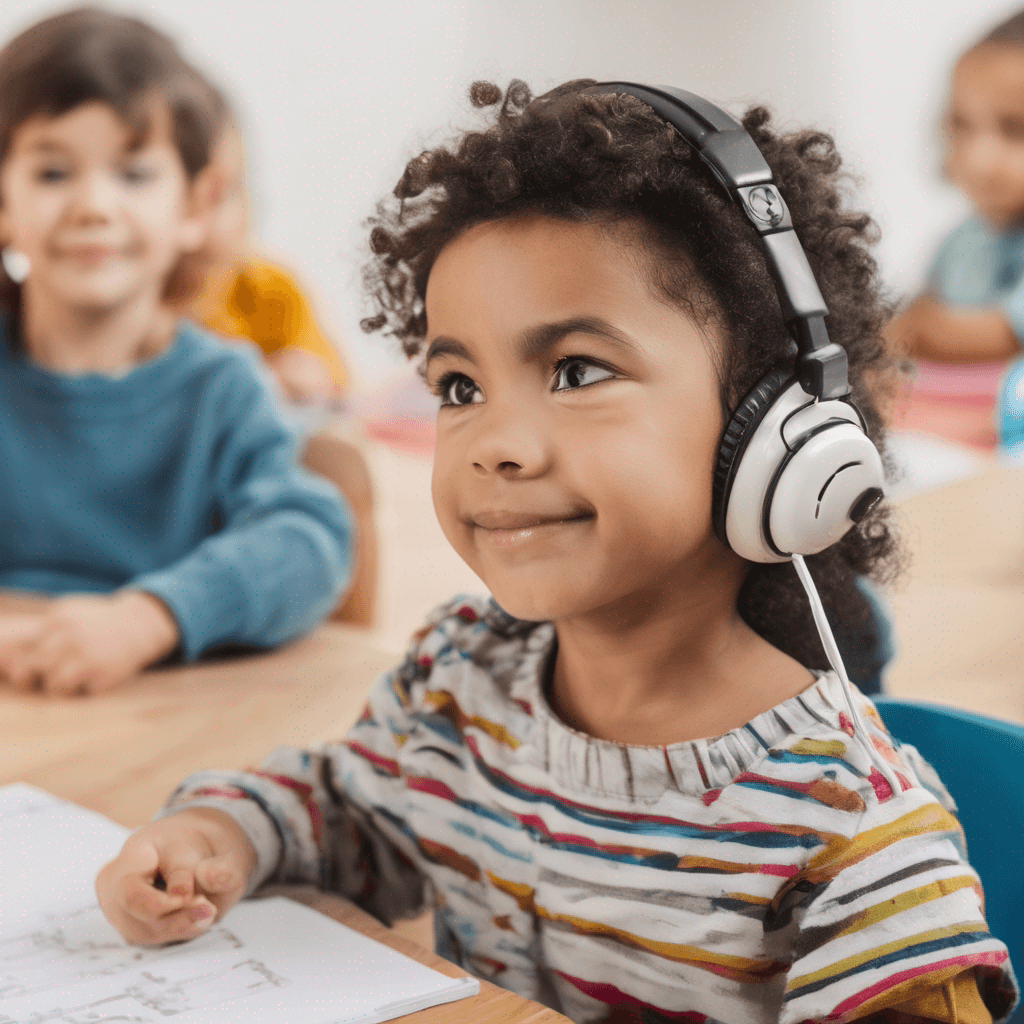
How to Develop Listening Skills in Early Childhood
Listening skills are fundamental to a child’s growth, communication, and overall development. Strong listening skills in early childhood lay the foundation for better comprehension, emotional intelligence, and social interactions as children mature. Parents play a critical role in nurturing these skills, ensuring their child grows into a confident and empathetic individual. This article dives into effective strategies to develop listening skills during early childhood, offering valuable insights for parents who want to foster their child’s developmental potential.
Why Are Listening Skills Important for Early Childhood?
Listening is more than just hearing words; it is an active process of understanding, interpreting, and responding to communication. Developing strong listening skills in early childhood contributes significantly to various aspects of child development:
- Improved Communication: A child who listens effectively is more likely to develop language and speech skills, essential for self-expression and social interaction.
- Better Understanding and Learning: Listening enhances comprehension and academic performance as children grow, preparing them to absorb new ideas and instructions.
- Stronger Emotional Bonds: By learning to listen, children build meaningful relationships, enhancing trust and empathy with parents, peers, and educators.
Understanding its importance is the first step, but how can parents actively nurture this vital skill? Let’s explore proven techniques to encourage listening skills in early childhood.
1. Lead by Example
Children are naturally inclined to mimic the behavior of adults around them. Model active listening at home by demonstrating focused attention when your child speaks. Put away distractions like phones, maintain eye contact, and acknowledge their words with affirmations like, “I understand” or “Tell me more.”
When children see you showing interest in what they have to say, they’ll instinctively learn to do the same, cultivating empathy and enhancing their interpersonal skills.
2. Engage in Listening Activities and Games
Interactive activities can make learning enjoyable for children. Consider introducing games that require careful listening, such as:
- Simon Says: This classic game encourages children to follow instructions, paying attention to details.
- Storytime with Questions: After reading a story, ask questions about what they heard. For example, “Why was the character happy?” or “What happened next?”
Such activities build attention spans, reinforce comprehension, and keep children actively engaged in the learning process.
3. Establish Clear Communication Norms
Children thrive when they know what is expected of them. Establishing simple communication rules creates mutual understanding. For instance:
- Teach your child to make eye contact during conversations.
- Instruct them to wait until the speaker finishes talking rather than interrupting.
- Simplify language and instructions for age-appropriate communication.
When these practices are woven into daily life, children gradually internalize effective communication habits, supporting their behavioral development.
4. Encourage Open-Ended Conversations
Children should feel heard and valued, which can be nurtured by promoting reciprocal conversations. Open-ended questions, such as “What was your favorite part of the day?” or “What do you think about…?”, allow your child to express themselves freely. This enhances their cognitive ability to process information while also practicing active listening during back-and-forth dialogue.
5. Be Patient and Acknowledge Their Efforts
Early childhood is a period of immense learning and growth. While developing listening skills, children may find it challenging to focus consistently. Instead of disciplining them harshly, use positive reinforcement to celebrate their efforts. A simple “Thank you for listening” can go a long way in encouraging them to practice attentiveness without fear.
6. Limit Screen Time
Excessive screen time can hinder a child’s ability to listen and focus. Although digital tools can be educational, unstructured or extended use may lead to inattentiveness. Instead, promote activities such as reading books, building puzzles, or engaging in imaginative play, which encourage critical thinking and attentive listening.
7. Foster an Emotionally Safe Environment
Children are more receptive to listening in an environment where they feel safe to express themselves. Avoid reprimanding them harshly for mistakes; instead, use gentle explanations to redirect behavior. Establishing secure emotional bonds boosts not only listening skills but also overall child behavior by teaching them the value of empathy and trust.
8. Leverage Professional Guidance When Necessary
In some cases, children may struggle to develop listening skills despite the best efforts at home. This could result from underlying developmental concerns, like auditory processing issues or behavioral challenges. Seeking professional guidance from experienced child therapists can make a significant difference.
At Prashast Foundation, compassionate experts specialize in child growth and behavioral development, providing effective strategies tailored to your child’s unique needs. You can also schedule a personalized consultation with a child therapist through this child therapy support link to get started on enriching your child’s listening journey.
9. Use Positive Storytelling and Songs
Stories and rhymes capture a child’s imagination while also enhancing their listening abilities. Read books, sing songs, and encourage your child to repeat the lyrics or narrate what they understood. Visual aids like puppets or illustrations can also deepen their interest and make the activity more memorable.
10. Incorporate Daily Routine Practice
Consistency is key to developing new skills. Integrate listening exercises into daily routines, such as:
- Asking your child to summarize what they heard after you’ve given instructions.
- Creating multi-step tasks to help them process sequential information (e.g., “Please pick up your toys and put them in the bin”).
- Practicing mindfulness or quiet time, which helps children focus their attention on sounds and surroundings.
Final Thoughts
Teaching listening skills to young children is a gradual, rewarding process that requires effort, patience, and genuine engagement. By practicing active communication, fostering emotional safety, and leveraging fun activities, parents can give their children the tools they need to become effective listeners and empathetic individuals.
Each child’s developmental journey is unique, and some may need extra support to overcome specific challenges. Seeking professional guidance from trusted resources like the Prashast Foundation or booking a child therapy consultation ensures you are providing your child with the best opportunities for growth and development.
Invest time into nurturing your child’s listening skills today—and watch as these efforts result in a confident, well-rounded individual tomorrow. After all, listening isn’t just a skill; it’s a gift that opens doors to understanding and connection in every aspect of life.