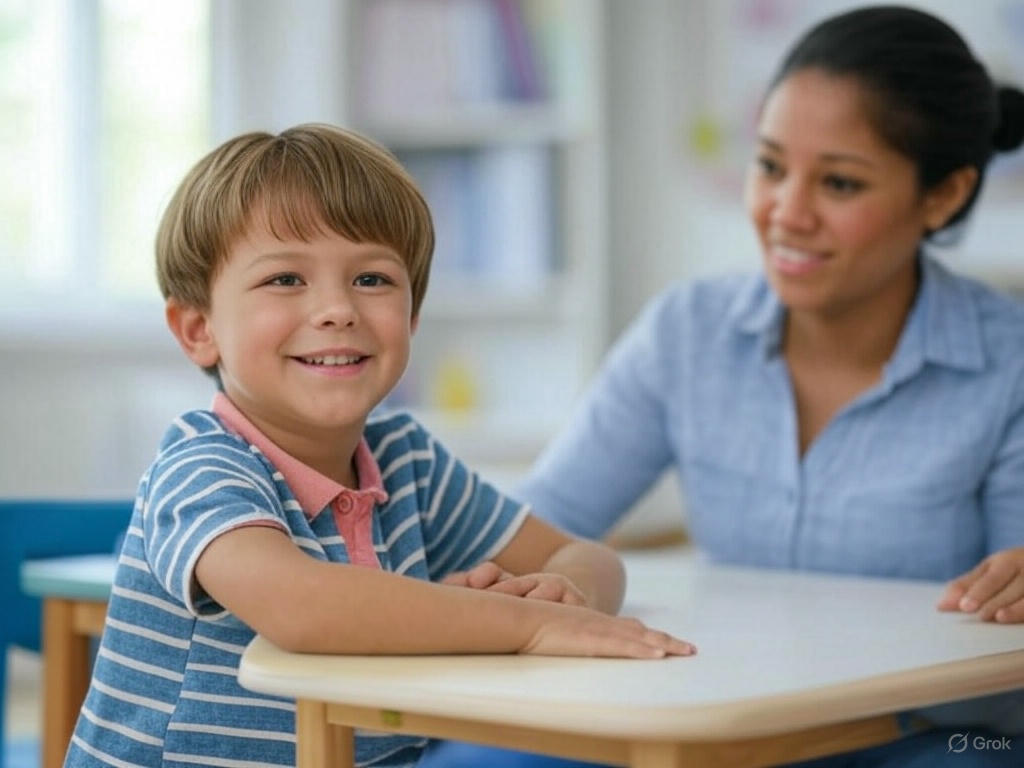


How to Build Confidence in Shy Children
Understanding the Root Causes of Shyness in Children
Shyness in children can stem from a variety of factors, including genetics, temperament, and environmental influences. Some children are naturally introverted, while others may develop shyness due to past experiences such as bullying or social rejection.
Research shows that shy children often struggle with self-esteem and fear of judgment. According to a study published in the Journal of Child Psychology, shy children are more likely to experience anxiety in social situations, which can hinder their ability to form relationships.
Parents can play a crucial role in identifying the root causes of their child’s shyness. Observing their behavior in different settings and understanding their triggers can help tailor strategies to build confidence effectively.
For example, if a child avoids speaking in class due to fear of making mistakes, parents can work on fostering a growth mindset that emphasizes learning from errors rather than fearing them.
The Importance of Building Confidence Early
Building confidence in shy children early in life is essential for their emotional and social development. Confidence helps children navigate challenges, express themselves, and form meaningful relationships.
Studies indicate that children with higher self-esteem are more likely to succeed academically and socially. By addressing shyness early, parents can prevent long-term issues such as social anxiety or low self-worth.
Early intervention also allows children to develop resilience. When they feel confident, they are better equipped to handle setbacks and adapt to new situations.
For instance, encouraging a shy child to participate in group activities at a young age can help them gradually overcome their fear of social interaction.
Creating a Safe and Supportive Environment at Home
A safe and supportive home environment is the foundation for building confidence in shy children. When children feel secure, they are more likely to take risks and step out of their comfort zones.
Parents can create this environment by showing unconditional love and acceptance. Avoid criticizing or comparing your child to others, as this can exacerbate feelings of inadequacy.
Establishing routines and setting realistic expectations can also help shy children feel more in control. For example, if your child struggles with public speaking, practice small presentations at home before they perform in front of others.
Additionally, ensure that your home is a judgment-free zone where your child feels comfortable expressing their thoughts and emotions.
Encouraging Open Communication with Your Child
Open communication is key to understanding and addressing your child’s shyness. Encourage your child to share their feelings and experiences without fear of judgment.
Active listening is an effective way to build trust. When your child talks, give them your full attention and validate their emotions. For example, if they say they feel nervous about meeting new people, acknowledge their feelings and offer reassurance.
Ask open-ended questions to help your child articulate their thoughts. Questions like “What makes you feel shy?” or “How can I help you feel more comfortable?” can provide valuable insights.
By fostering open communication, you empower your child to express themselves and seek support when needed.
Using Positive Reinforcement to Boost Self-Esteem
Positive reinforcement is a powerful tool for building confidence in shy children. Praising their efforts and achievements, no matter how small, can significantly boost their self-esteem.
For example, if your child speaks up in class for the first time, celebrate their courage with words of encouragement like “I’m so proud of you for sharing your thoughts!”
Reward systems can also be effective. Create a chart to track their progress in overcoming shyness and offer small rewards for milestones achieved.
Remember to focus on effort rather than outcomes. This approach teaches children that trying is just as important as succeeding.
Helping Shy Children Develop Social Skills Gradually
Social skills are essential for building confidence in shy children. However, these skills should be developed gradually to avoid overwhelming them.
Start with small, manageable steps. For instance, encourage your child to greet a neighbor or participate in a one-on-one playdate before introducing them to larger social gatherings.
Role-playing can also be helpful. Practice common social scenarios, such as introducing themselves or asking questions, to build their confidence in real-life interactions.
Over time, these small steps will accumulate, helping your child feel more comfortable in social settings.
The Role of Hobbies and Interests in Building Confidence
Hobbies and interests can play a significant role in building confidence in shy children. Engaging in activities they enjoy allows them to develop skills and feel a sense of accomplishment.
For example, if your child loves art, enroll them in a local art class where they can showcase their creativity and interact with peers who share similar interests.
Extracurricular activities also provide opportunities for shy children to step out of their comfort zones in a structured and supportive environment.
Encourage your child to explore different hobbies until they find something they are passionate about. This can be a great way to boost their self-esteem and help them connect with others.
Teaching Problem-Solving and Decision-Making Skills
Problem-solving and decision-making skills are crucial for building confidence in shy children. These skills empower them to handle challenges independently and make choices that align with their values.
Start by involving your child in small decisions, such as choosing what to wear or what to eat for dinner. Gradually increase the complexity of the decisions as they gain confidence.
Encourage your child to think critically about problems and brainstorm solutions. For example, if they are nervous about a school presentation, help them plan and practice to reduce anxiety.
By teaching these skills, you equip your child with the tools they need to navigate life confidently.
Managing Setbacks and Celebrating Small Victories
Setbacks are inevitable when building confidence in shy children, but how you handle them can make all the difference. Teach your child that failure is a natural part of growth and encourage them to learn from their mistakes.
Celebrate small victories to keep your child motivated. For instance, if they initiate a conversation with a peer, acknowledge their effort and progress.
Use setbacks as teaching moments. Discuss what went wrong and how they can approach similar situations differently in the future.
By focusing on progress rather than perfection, you help your child develop resilience and a positive outlook.
When to Seek Professional Help for Persistent Shyness
While most cases of shyness can be managed with parental support, persistent shyness may require professional intervention. If your child’s shyness significantly impacts their daily life or causes severe anxiety, it may be time to seek help.
Consulting a child psychologist or counselor can provide valuable insights and strategies tailored to your child’s needs. Therapies such as cognitive-behavioral therapy (CBT) have been proven effective in helping children overcome social anxiety.
Additionally, schools and organizations like inclusive education programs can offer resources and support for shy children.
Remember, seeking professional help is not a sign of failure but a proactive step toward ensuring your child’s well-being.
Summary: How to Build Confidence in Shy Children
Building confidence in shy children requires patience, understanding, and consistent effort. By addressing the root causes of shyness, creating a supportive environment, and encouraging open communication, parents can help their children thrive.
Strategies such as positive reinforcement, gradual social skill development, and engaging in hobbies can significantly boost self-esteem. Teaching problem-solving skills and celebrating small victories further empower shy children to overcome challenges.
While setbacks are part of the journey, they provide valuable learning opportunities. In cases of persistent shyness, seeking professional help ensures your child receives the support they need.
With these strategies, parents can confidently guide their shy children toward a brighter, more self-assured future.
FAQ: How to Build Confidence in Shy Children
- What causes shyness in children?
- Shyness can be caused by genetics, temperament, past experiences, or environmental factors. Identifying the root cause is essential for addressing it effectively.
- How can I help my shy child make friends?
- Encourage gradual social interactions, such as one-on-one playdates or small group activities. Role-playing social scenarios can also help build confidence.
- When should I seek professional help for my child’s shyness?
- If your child’s shyness significantly impacts their daily life or causes severe anxiety, consult a child psychologist or counselor for tailored support.
- Can hobbies help shy children build confidence?
- Yes, hobbies allow shy children to develop skills, connect with peers, and feel a sense of accomplishment, all of which boost self-esteem.