
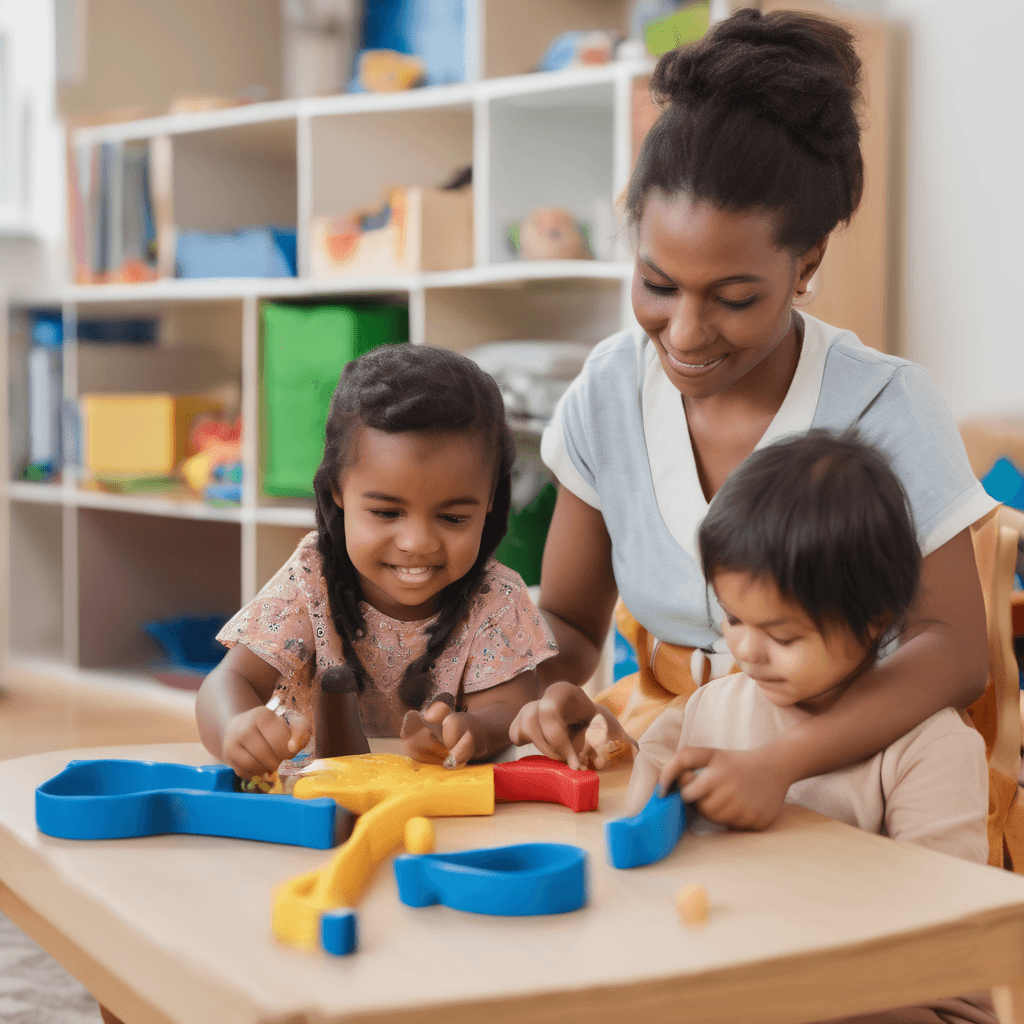
How to Build Patience in Young Children: A Guide for Parents
Patience is a virtue that empowers children to navigate the world with resilience, understanding, and emotional control. For young children, however, patience may not come naturally—it’s a skill that requires nurturing, practice, and guidance. As parents, you play a pivotal role in instilling this invaluable quality, which influences not just their behavior but also their overall growth and development. In this article, we’ll explore effective strategies to build patience in young children while fostering healthy child development, growth, and behavioral maturity.
Building patience in children isn’t just about helping them wait for a reward; it’s about equipping them with life skills that prepare them to handle the ups and downs of life. Here’s how you can start nurturing patience in your little ones:
1. Model Patience Yourself
Children are like mirrors—they reflect the behaviors they see in their environment. If you display patience during frustration or challenges, your children are more likely to emulate the same. For instance, if you remain calm when stuck in traffic or while waiting in a long queue, explain to your child why staying patient is essential. Conversations such as, “Sometimes we have to wait, but it’s worth it in the end,” can leave a lasting impression on their developing mind.
Your actions are their blueprint for behavioral growth. This practice not only enhances their ability to remain calm but also strengthens your parent-child bond by creating a nurturing and understanding environment.
2. Teach Them the Power of Delayed Gratification
Delayed gratification—holding off short-term temptations to achieve long-term rewards—is a key aspect of cultivating patience. You can start by introducing small, age-appropriate challenges that encourage waiting.
For example:
- Use the “Marshmallow Test” Method: Give your child an option: they can have one marshmallow now or two if they wait for a few minutes. Reward them when they succeed.
- Time-based Activities: Use timers to measure waiting periods: “We’ll play your favorite game in 10 minutes. Let’s see what we can do while we wait!”
These exercises help improve self-control in young children, shaping their behavior and teaching them valuable lessons about time, effort, and rewards.
3. Involve Them in Activities That Naturally Require Patience
Certain activities and hobbies are inherently designed to improve patience. Activities like puzzles, gardening, painting, and cooking require focus and waiting for results—whether it’s watching seeds sprout or cookies bake.
For instance, involving your child in gardening helps them understand that growth takes time and care, whether it’s for plants or their own goals. As they nurture their patience through such hands-on experiences, they also develop a valuable appreciation for effort and persistence—two critical elements for their overall development.
4. Validate Their Feelings While Setting Boundaries
As children grow and develop, they will encounter situations that test their patience—whether it’s waiting to receive a toy, taking turns during a game, or delaying their screen time. It’s natural for young children to feel frustrated, but as a parent, you can help them navigate these emotions effectively by validating their feelings.
For example, you might say:
- “I know it’s hard to wait, but you’re doing great! Let’s practice how we can use this time.”
At the same time, establishing consistent boundaries is essential. Teaching children that waiting or being patient doesn’t mean they’ll get everything they want is a lesson in emotional regulation, maturity, and respect.
5. Introduce Mindfulness and Relaxation Techniques
Mindfulness is a powerful tool in helping children manage their emotions and build patience. Introduce age-appropriate mindfulness techniques, such as:
- Deep Breathing Exercises: Encourage them to take three deep breaths when they feel impatient or upset.
- Counting Down: Teach them to count backwards from 10, focusing their attention on the numbers.
- Visual Imagery: Ask them to close their eyes and imagine a calming, happy place while waiting.
By providing children with these techniques, you’re not only fostering patience but also equipping them with tools to handle stress in a healthy way.
6. Praise the Effort, Not Just the Outcome
Children thrive on positive reinforcement. Acknowledge and celebrate their efforts when they display patience, even in small doses. Phrases like, “I’m so proud of how patient you were while waiting for dinner!” can go a long way in encouraging this behavior.
By focusing on their effort rather than the final outcome, you’re reinforcing the importance of trying, which further strengthens their understanding of patience and resilience.
7. Seek Professional Support When Needed
Sometimes, children may struggle with patience due to underlying behavioral or emotional challenges. In such cases, seeking professional guidance can offer valuable insights and strategies tailored to your child’s unique needs. Therapists and child development specialists can help your child build critical coping mechanisms that aid in developing patience, emotional regulation, and overall growth.
If you feel your child could benefit from personalized support, schedule a consultation with a child therapy expert.
Why Patience Matters for Child Development
Patience isn’t just a nice-to-have trait—it’s a cornerstone of a child’s behavioral and emotional intelligence. Children who learn patience early tend to exhibit:
- Greater self-control in stressful situations
- Improved social skills and empathy
- Enhanced problem-solving abilities
- Positive growth in cognitive and emotional development
By teaching patience, you’re equipping your child with tools to overcome life’s challenges, achieve their goals, and form healthy relationships throughout their life.
Final Thoughts
Building patience in young children is a journey that requires consistent effort, creativity, and love from parents. Through thoughtful modeling, interactive activities, and fostering nurturing environments, you’ll be empowering your child to navigate life’s complexities with confidence and poise.
Remember that every child grows at their own pace, and patience is a skill that develops over time. With your guidance, they’ll learn to embrace the joy of waiting, growing, and thriving.
For more resources and helpful strategies to support your child’s development, visit Prashast. We’re here to help you foster every aspect of your child’s growth for a brighter future.
By using these practical tips and incorporating patience-building activities into daily life, you can help lay the foundation for your child’s lifelong success. Always remember: small steps lead to big milestones.