
Importance of Fine Motor Skill Practice for Preschoolers
What Are Fine Motor Skills and Why Are They Important for Preschoolers?
Fine motor skills refer to the coordination of small muscles in the hands, fingers, and wrists, enabling precise movements. These skills are essential for preschoolers as they form the foundation for everyday tasks like writing, buttoning clothes, and using utensils.
For preschoolers, fine motor skill practice is crucial because it helps them gain independence and confidence. Activities like drawing, cutting with scissors, and building with blocks not only improve dexterity but also prepare children for academic tasks.
Developing fine motor skills early ensures that children can perform age-appropriate tasks with ease. This is especially important as they transition into kindergarten, where these skills are often required for success.
In essence, fine motor skill practice for preschoolers is a stepping stone to achieving developmental milestones and fostering self-sufficiency in daily life.
Key Benefits of Developing Fine Motor Skills in Early Childhood
Fine motor skill practice for preschoolers offers numerous benefits that extend beyond physical development. One of the primary advantages is improved hand-eye coordination, which is essential for tasks like writing and drawing.
Another benefit is the enhancement of cognitive skills. Activities that involve fine motor skills, such as puzzles or threading beads, require problem-solving and critical thinking, which stimulate brain development.
Fine motor skill development also promotes emotional growth. As children master new tasks, they build self-esteem and a sense of accomplishment, which are vital for their overall well-being.
Lastly, these skills lay the groundwork for academic success. Children with well-developed fine motor skills are better prepared for writing, cutting, and other classroom activities, giving them a head start in their educational journey.
How Fine Motor Skills Impact Academic and Social Development
Fine motor skill practice for preschoolers plays a significant role in their academic and social development. In the classroom, children with strong fine motor skills can focus more on learning rather than struggling with basic tasks like holding a pencil.
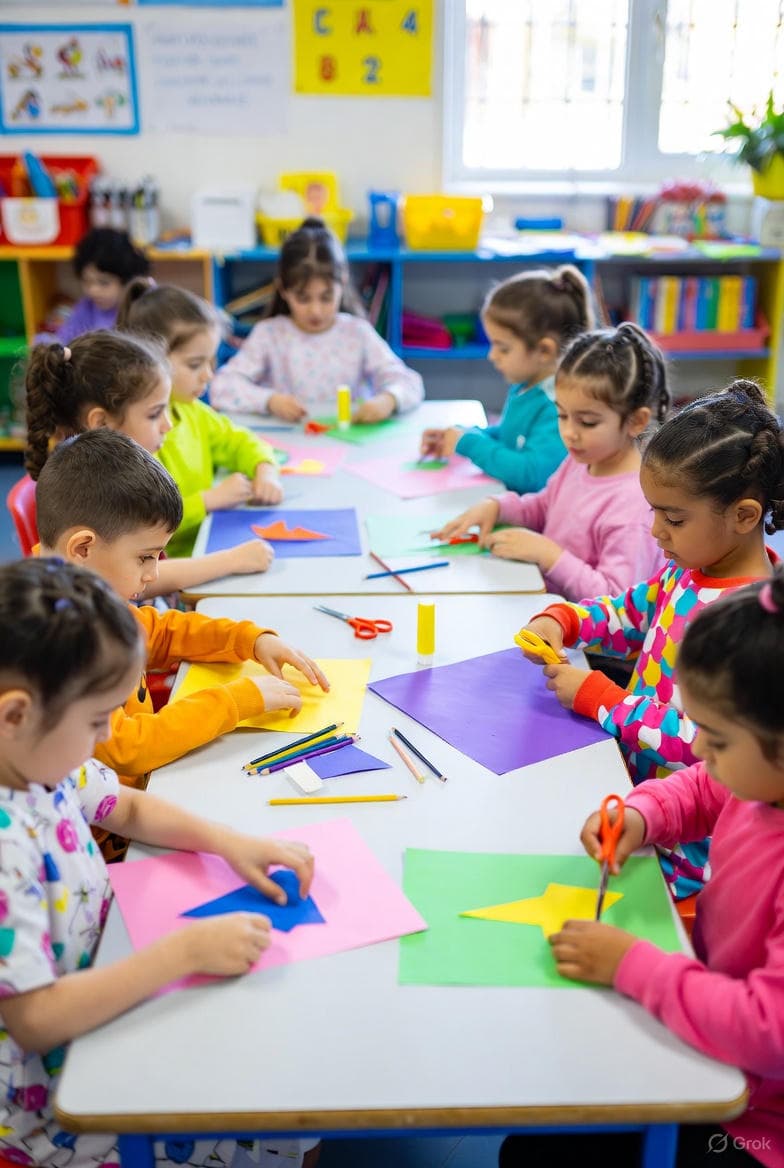
Socially, fine motor skills enable children to participate in group activities such as arts and crafts, fostering teamwork and communication. These interactions are crucial for developing social skills and building friendships.
Moreover, fine motor skills are linked to language development. Activities like playing with clay or using scissors require focus and coordination, which can enhance a child’s ability to process and articulate language.
In summary, fine motor skill practice for preschoolers is not just about physical development; it also supports their academic achievements and social interactions, setting them up for long-term success.
Common Challenges Preschoolers Face with Fine Motor Skills
Despite its importance, fine motor skill development can be challenging for some preschoolers. One common issue is a lack of strength in the hands and fingers, which can make tasks like gripping a pencil difficult.
Another challenge is poor hand-eye coordination. Children who struggle with this may find it hard to perform tasks that require precision, such as threading beads or cutting shapes.
Some children may also face developmental delays or conditions like dyspraxia, which can impact their ability to develop fine motor skills at the same pace as their peers.
Recognizing these challenges early and incorporating targeted fine motor skill practice for preschoolers can help them overcome these obstacles and achieve their developmental milestones.
Fun and Engaging Activities to Boost Fine Motor Skills at Home
- Playdough Play: Encourage your child to roll, pinch, and shape playdough to strengthen their hand muscles.
- Threading Beads: Use colorful beads and strings to improve hand-eye coordination and precision.
- Scissor Practice: Provide child-safe scissors and let them cut out shapes from paper to enhance their cutting skills.
- Building Blocks: Stacking and arranging blocks can improve grip strength and spatial awareness.
These activities not only make fine motor skill practice for preschoolers enjoyable but also help them develop essential skills in a stress-free environment.
The Role of Play in Strengthening Fine Motor Skills for Preschoolers
Play is a natural and effective way to encourage fine motor skill practice for preschoolers. Through play, children can explore and experiment with different movements, enhancing their dexterity and coordination.
For example, playing with building blocks or puzzles requires children to use their fingers and hands in precise ways, which strengthens their fine motor skills. Similarly, activities like finger painting or drawing allow them to practice grip and control.
Outdoor play also contributes to fine motor development. Activities like digging in the sand, picking up small objects, or climbing can improve hand strength and coordination.
Incorporating play into daily routines ensures that fine motor skill practice for preschoolers is both effective and enjoyable, fostering a love for learning and exploration.
Tools and Toys That Support Fine Motor Skill Development
- Building Blocks: Encourage creativity and hand strength.
- Scissors: Child-safe scissors are perfect for cutting practice.
- Bead Sets: Threading beads improves precision and coordination.
- Playdough: Strengthens hand muscles through molding and shaping.
These tools and toys make fine motor skill practice for preschoolers engaging and effective, helping them develop essential skills while having fun.
How to Identify Delays in Fine Motor Skills and When to Seek Help
Identifying delays in fine motor skills early is crucial for effective intervention. Signs of delays may include difficulty holding objects, trouble with tasks like buttoning clothes, or avoiding activities that require hand coordination.
If you notice these signs, consult a pediatrician or an occupational therapist. Early intervention can make a significant difference in helping your child develop the necessary skills.
Organizations like Prashast offer resources for disability screening and inclusive education, which can be invaluable for parents seeking support.
Remember, every child develops at their own pace, but timely fine motor skill practice for preschoolers can help address delays effectively.
Tips for Parents to Encourage Fine Motor Skill Practice Daily
- Incorporate fine motor activities into daily routines, such as letting your child help with cooking or gardening.
- Provide a variety of tools and toys that encourage hand-eye coordination and dexterity.
- Set aside time for creative activities like drawing, painting, or crafting.
- Be patient and offer positive reinforcement to build your child’s confidence.
By making fine motor skill practice for preschoolers a part of everyday life, parents can help their children develop these essential skills naturally and enjoyably.
Long-Term Advantages of Early Fine Motor Skill Development
Fine motor skill practice for preschoolers has long-term benefits that extend into adulthood. Children who develop these skills early are better prepared for academic challenges, such as writing and using tools effectively.
Additionally, strong fine motor skills contribute to independence in daily tasks, boosting self-esteem and confidence. These skills also play a role in career readiness, as many professions require precise hand movements.
Moreover, early fine motor skill development is linked to better cognitive and social outcomes, as it fosters problem-solving abilities and teamwork.
Investing in fine motor skill practice for preschoolers is an investment in their future, equipping them with the tools they need for lifelong success.
Conclusion
The importance of fine motor skill practice for preschoolers cannot be overstated. From academic readiness to social development, these skills are foundational for a child’s growth and success. By incorporating fun activities, using supportive tools, and addressing challenges early, parents can ensure their children develop strong fine motor skills. Start today to give your preschooler the best possible start in life!
FAQ
- What are fine motor skills?
- Fine motor skills involve the coordination of small muscles in the hands, fingers, and wrists, enabling precise movements essential for tasks like writing and buttoning clothes.
- Why is fine motor skill practice important for preschoolers?
- Fine motor skill practice for preschoolers is crucial for developing hand-eye coordination, cognitive abilities, and independence in daily tasks.
- What are some fun activities to improve fine motor skills?
- Activities like playing with playdough, threading beads, cutting with scissors, and building with blocks are excellent for enhancing fine motor skills in preschoolers.
- When should I seek help for my child’s fine motor skill delays?
- If your child struggles with basic tasks like holding objects or avoids activities requiring hand coordination, consult a pediatrician or occupational therapist for guidance.