


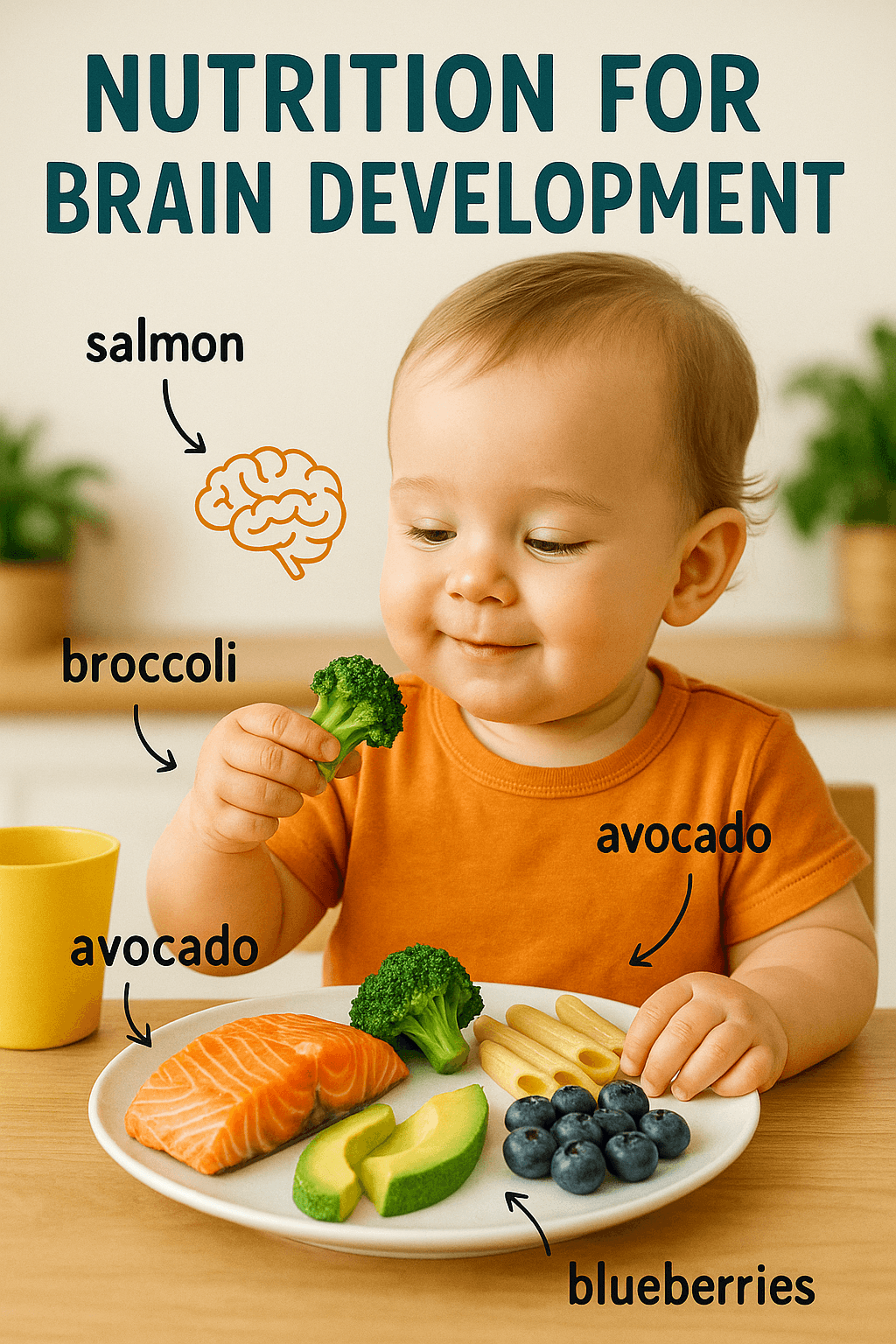
Nutrition for Brain Development: A Comprehensive Guide
Unlock the secrets to optimal brain health through proper nutrition. Learn about the essential nutrients, foods, and habits that support cognitive growth and lifelong mental performance.
The Importance of Nutrition in Brain Development
Nutrition for brain development is a cornerstone of overall health, especially during early childhood and adolescence. The brain undergoes rapid growth during these stages, requiring a steady supply of essential nutrients to build neural connections and support cognitive functions.
Studies show that malnutrition during critical growth periods can lead to long-term cognitive impairments. For instance, children who lack proper nutrition often struggle with memory, attention, and problem-solving skills compared to their well-nourished peers.
Beyond childhood, nutrition continues to play a vital role in maintaining brain health. Adults who consume a balanced diet rich in brain-boosting nutrients are less likely to experience cognitive decline or neurodegenerative diseases like Alzheimer’s.
In short, prioritizing nutrition for brain development is not just about immediate benefits but also about setting the foundation for lifelong mental well-being.
Key Nutrients for Cognitive Growth
Several key nutrients are essential for cognitive growth and brain development. These include omega-3 fatty acids, vitamins, minerals, and antioxidants. Each of these nutrients plays a unique role in supporting neural health and cognitive functions.
For example, iron is crucial for oxygen transport to the brain, while zinc supports neurotransmitter function. Similarly, magnesium helps regulate nerve signals, and choline is vital for memory and learning.
Research highlights the importance of a nutrient-dense diet during pregnancy and early childhood. Pregnant women who consume adequate folate, for instance, reduce the risk of neural tube defects in their babies.
Ensuring a diet rich in these nutrients is a proactive way to support brain development at every stage of life.
Omega-3 Fatty Acids: Fuel for the Brain
Omega-3 fatty acids are often referred to as “brain food” due to their critical role in brain development and function. These essential fats, particularly DHA (docosahexaenoic acid), are integral to the structure of brain cells.
Studies have shown that children who consume adequate omega-3s perform better in school, with improved memory and attention spans. Similarly, adults who include omega-3-rich foods in their diet are less likely to experience age-related cognitive decline.
Foods like salmon, walnuts, flaxseeds, and chia seeds are excellent sources of omega-3 fatty acids. For those who struggle to meet their omega-3 needs through diet alone, supplements can be a viable option.
Incorporating omega-3 fatty acids into your diet is a simple yet effective way to enhance nutrition for brain development.
The Role of Vitamins in Neural Health
Vitamins are indispensable for maintaining neural health and supporting brain development. Vitamin B-complex, for instance, is essential for energy production and neurotransmitter synthesis.
Vitamin D, often called the “sunshine vitamin,” is crucial for brain health. Deficiencies in vitamin D have been linked to mood disorders and impaired cognitive function.
Vitamin E, a powerful antioxidant, protects brain cells from oxidative stress, which can lead to neurodegenerative diseases. Similarly, vitamin C supports the production of neurotransmitters like dopamine and serotonin.
Ensuring adequate vitamin intake through a balanced diet or supplements is a key strategy for optimizing nutrition for brain development.
Antioxidants and Their Impact on Brain Function
Antioxidants play a crucial role in protecting the brain from oxidative stress and inflammation. These compounds neutralize free radicals, which can damage brain cells and impair cognitive functions.
Foods rich in antioxidants, such as berries, dark chocolate, and green tea, have been shown to improve memory and learning. For example, a study found that regular consumption of blueberries can delay brain aging by up to 2.5 years.
Antioxidants like flavonoids, polyphenols, and carotenoids are particularly beneficial for brain health. They not only protect brain cells but also enhance blood flow to the brain, improving overall cognitive performance.
Incorporating antioxidant-rich foods into your diet is a simple yet effective way to support nutrition for brain development.
Hydration and Its Effect on Cognitive Performance
Hydration is often overlooked but is a critical component of nutrition for brain development. The brain is approximately 75% water, and even mild dehydration can impair cognitive functions like memory, attention, and decision-making.
Studies have shown that children who are well-hydrated perform better in school, particularly in tasks requiring concentration and problem-solving. Similarly, adults who stay hydrated experience improved mood and mental clarity.
Drinking water, herbal teas, and consuming water-rich foods like cucumbers and watermelon are excellent ways to maintain hydration levels.
Making hydration a priority is a simple yet impactful way to enhance brain health and cognitive performance.
The Connection Between Gut Health and Brain Development
The gut-brain axis is a fascinating area of research that highlights the connection between gut health and brain development. The gut microbiome, a collection of trillions of microorganisms, plays a significant role in producing neurotransmitters like serotonin and dopamine.
Probiotic-rich foods like yogurt, kefir, and fermented vegetables can improve gut health, thereby supporting brain function. Similarly, prebiotic foods like garlic, onions, and bananas feed beneficial gut bacteria.
Emerging studies suggest that a healthy gut microbiome can reduce the risk of mental health disorders like anxiety and depression. This underscores the importance of gut health in overall brain development.
By focusing on gut-friendly foods, you can enhance nutrition for brain development and overall well-being.
Foods That Boost Memory and Learning
Certain foods are particularly effective at boosting memory and learning. Blueberries, for instance, are rich in antioxidants that improve brain function. Similarly, leafy greens like spinach and kale are packed with vitamins and minerals that support cognitive health.
Nuts and seeds, such as almonds and sunflower seeds, are excellent sources of vitamin E and healthy fats. These nutrients are essential for maintaining brain health and preventing cognitive decline.
Whole grains like oats and quinoa provide a steady supply of glucose, the brain’s primary energy source. This helps improve focus and concentration throughout the day.
Incorporating these brain-boosting foods into your diet is a practical way to enhance nutrition for brain development.
Avoiding Harmful Substances for Optimal Brain Growth
Avoiding harmful substances is just as important as consuming brain-boosting nutrients. Excessive sugar, for instance, can impair memory and learning by causing inflammation in the brain.
Similarly, trans fats found in processed foods can negatively impact brain health by reducing the flexibility of cell membranes. Alcohol and nicotine are other substances that can harm brain development, particularly in young people.
Limiting exposure to environmental toxins like heavy metals and pesticides is also crucial for protecting brain health. These substances can interfere with neural development and cognitive functions.
By avoiding harmful substances, you can create an environment that supports optimal nutrition for brain development.
Building a Balanced Diet for Lifelong Brain Health
Building a balanced diet is the cornerstone of lifelong brain health. A diet rich in whole foods, lean proteins, healthy fats, and complex carbohydrates provides the nutrients needed for optimal brain function.
Meal planning can help ensure that you include a variety of brain-boosting foods in your diet. For example, a breakfast of oatmeal topped with berries and nuts provides a perfect blend of antioxidants, vitamins, and healthy fats.
Incorporating diverse food groups not only supports brain health but also reduces the risk of nutrient deficiencies. This is particularly important during critical growth periods like childhood and adolescence.
By focusing on a balanced diet, you can ensure that your nutrition for brain development supports both immediate and long-term cognitive health.
Conclusion
Nutrition for brain development is a vital aspect of overall health and well-being. From omega-3 fatty acids and vitamins to antioxidants and hydration, each nutrient plays a unique role in supporting cognitive growth and neural health.
By incorporating brain-boosting foods into your diet and avoiding harmful substances, you can create a foundation for lifelong mental performance. Remember, a balanced diet is not just about physical health; it’s also about nurturing your brain.
For more resources on inclusive education and disability screening, visit Prashast.org.
FAQ
- What are the best foods for brain development?
- Foods rich in omega-3 fatty acids, antioxidants, and vitamins, such as salmon, blueberries, and leafy greens, are excellent for brain development.
- How does hydration affect cognitive performance?
- Hydration is crucial for cognitive performance as even mild dehydration can impair memory, attention, and decision-making.
- What role do antioxidants play in brain health?
- Antioxidants protect brain cells from oxidative stress and inflammation, improving memory and learning capabilities.
- Why is gut health important for brain development?
- The gut-brain axis highlights the connection between gut health and brain development. A healthy gut microbiome supports neurotransmitter production and overall cognitive function.