
The Benefits of Sensory Bins for Toddlers
What Are Sensory Bins and Why Are They Important for Toddlers?
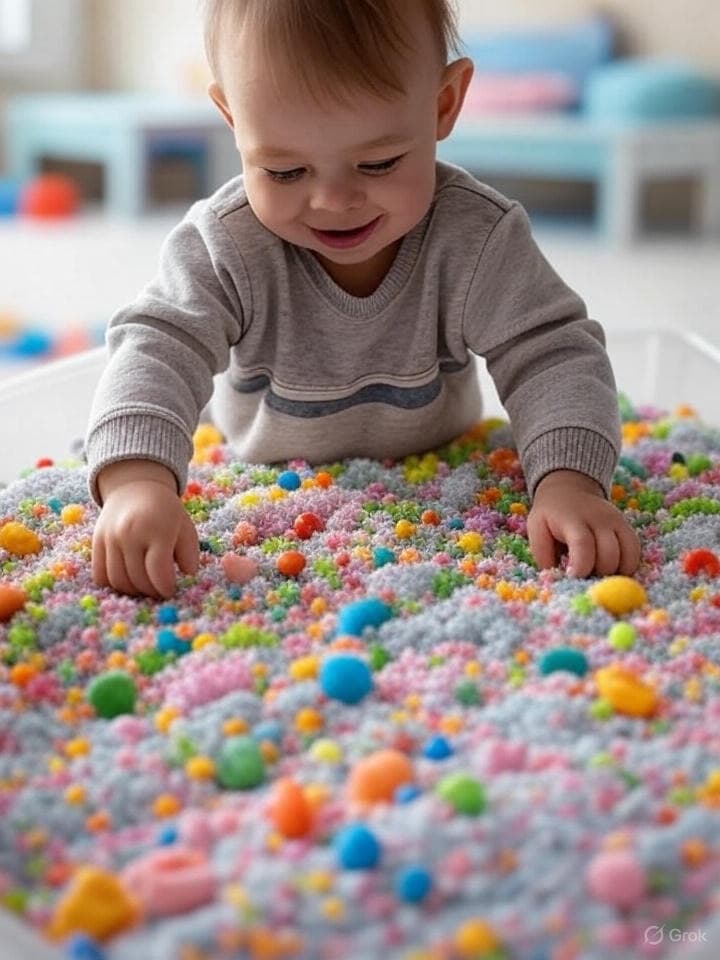
Sensory bins are containers filled with materials and objects designed to stimulate a toddler’s senses, including touch, sight, sound, and sometimes smell. These bins can include items like rice, beans, water beads, sand, or even shredded paper, paired with tools like scoops, spoons, and small toys.
The benefits of sensory bins for toddlers are vast. They provide a hands-on learning experience that encourages exploration and discovery. Sensory bins are particularly important for toddlers because they help build foundational skills in a fun and engaging way.
Research shows that sensory play can improve brain development by creating neural connections. This is especially critical during the early years when a toddler’s brain is rapidly growing and adapting to new experiences.
By incorporating sensory bins into daily activities, parents and caregivers can offer toddlers a safe and stimulating environment to learn and grow.
How Sensory Bins Support Early Childhood Development
The benefits of sensory bins for toddlers extend to various aspects of early childhood development. Sensory bins encourage active engagement, which is essential for developing cognitive, physical, and social skills.
For example, when toddlers dig through a bin filled with sand and hidden objects, they practice problem-solving and critical thinking. They learn to identify shapes, colors, and textures, which enhances their sensory perception.
Additionally, sensory bins can support language development. As toddlers explore, parents can introduce new vocabulary related to the materials in the bin, such as “soft,” “rough,” “smooth,” or “grainy.”
Overall, sensory bins provide a holistic approach to learning, making them a valuable tool for early childhood development.
The Role of Sensory Play in Building Fine Motor Skills
One of the key benefits of sensory bins for toddlers is their ability to enhance fine motor skills. Fine motor skills involve the coordination of small muscles in the hands and fingers, which are essential for tasks like writing, buttoning clothes, and using utensils.
Activities like scooping rice, pouring water, or picking up small objects from a sensory bin help toddlers develop hand-eye coordination and dexterity. These tasks require precision and control, which strengthen their motor abilities over time.
For example, a sensory bin filled with pom-poms and tweezers can encourage toddlers to practice grasping and transferring objects. This not only builds fine motor skills but also boosts their confidence in handling tools.
By regularly engaging in sensory play, toddlers can develop the physical skills needed for everyday tasks and future academic success.
Encouraging Creativity and Imagination Through Sensory Bins
Sensory bins are a fantastic way to spark creativity and imagination in toddlers. The open-ended nature of sensory play allows children to explore and create without limitations.
For instance, a sensory bin filled with colored rice and miniature animal figurines can inspire toddlers to invent stories and scenarios. They might pretend the animals are exploring a jungle or having a picnic, fostering imaginative thinking.
Parents can also encourage creativity by rotating the themes of sensory bins. Seasonal bins, such as a fall-themed bin with leaves and acorns, or a winter-themed bin with cotton balls and snowflakes, keep the experience fresh and exciting.
Through sensory bins, toddlers learn to think outside the box, which is a skill that will benefit them throughout their lives.
Promoting Cognitive Growth with Engaging Sensory Activities
The benefits of sensory bins for toddlers include significant cognitive growth. Sensory play challenges toddlers to think critically, solve problems, and make decisions.
For example, a sensory bin with hidden letters or numbers can help toddlers practice early literacy and numeracy skills. They can search for specific letters to spell their name or count objects to reinforce number recognition.
Additionally, sensory bins encourage focus and attention. As toddlers engage with the materials, they learn to concentrate on tasks and follow instructions, which are essential cognitive skills.
By incorporating sensory bins into their routine, parents can support their toddler’s cognitive development in a fun and interactive way.
Sensory Bins as a Tool for Emotional Regulation in Toddlers
Another important benefit of sensory bins for toddlers is their role in emotional regulation. Sensory play can have a calming effect, helping toddlers manage stress and anxiety.
For instance, a sensory bin filled with soft materials like cotton balls or kinetic sand can provide a soothing experience. The repetitive motions of scooping, pouring, or sifting can help toddlers relax and focus.
Sensory bins also offer a safe space for self-expression. Toddlers can explore their emotions through play, which is particularly beneficial for children who struggle to communicate their feelings verbally.
By using sensory bins as a tool for emotional regulation, parents can support their toddler’s mental well-being and resilience.
Easy-to-Make Sensory Bin Ideas for Busy Parents
Creating sensory bins doesn’t have to be time-consuming or expensive. Here are some simple ideas for busy parents:
- Rice Bin: Fill a container with colored rice and add small toys or scoops for exploration.
- Water Bin: Use water and add floating toys, cups, and sponges for a fun aquatic experience.
- Nature Bin: Collect leaves, sticks, and rocks from your backyard for a nature-themed sensory bin.
- Shaving Cream Bin: Spread shaving cream in a container and let your toddler explore the texture.
These easy-to-make sensory bins provide all the benefits of sensory bins for toddlers without requiring much effort or expense.
How Sensory Bins Foster Social Skills and Cooperative Play
Sensory bins can also promote social skills and cooperative play among toddlers. When children share a sensory bin, they learn to take turns, communicate, and collaborate.
For example, a sensory bin with building blocks can encourage toddlers to work together to create structures. This fosters teamwork and teaches them the value of cooperation.
Parents can also use sensory bins to facilitate group activities during playdates or preschool sessions. These shared experiences help toddlers develop interpersonal skills and build friendships.
By using sensory bins as a social tool, parents can support their toddler’s emotional and social development.
Tips for Choosing Safe and Age-Appropriate Sensory Bin Materials
Safety is a top priority when creating sensory bins for toddlers. Here are some tips to ensure the materials are safe and age-appropriate:
- Choose non-toxic and edible materials like rice, pasta, or oats for younger toddlers who may put items in their mouths.
- Avoid small objects that pose a choking hazard, such as beads or marbles, for children under three years old.
- Supervise sensory play to ensure your toddler uses the materials safely and appropriately.
- Regularly clean and replace materials to maintain hygiene and prevent mold or bacteria growth.
By following these tips, parents can maximize the benefits of sensory bins for toddlers while ensuring their safety.
Long-Term Benefits of Sensory Bins for Toddler Learning and Growth
The benefits of sensory bins for toddlers extend far beyond the early years. Sensory play lays the foundation for lifelong learning and growth.
As toddlers develop fine motor skills, creativity, and cognitive abilities through sensory bins, they gain the tools needed for academic success. These skills also translate into practical abilities, such as problem-solving and adaptability.
Additionally, sensory bins foster emotional resilience and social competence, which are essential for navigating challenges and building relationships throughout life.
By incorporating sensory bins into their routine, parents can support their toddler’s development and set them up for a bright future.
FAQ
- What are sensory bins?
- Sensory bins are containers filled with materials designed to stimulate a toddler’s senses, such as rice, sand, or water beads.
- How do sensory bins benefit toddlers?
- Sensory bins support early childhood development, enhance fine motor skills, encourage creativity, and promote emotional regulation.
- Are sensory bins safe for toddlers?
- Yes, as long as parents choose age-appropriate materials and supervise play to prevent choking or misuse.
- Can sensory bins help with social skills?
- Yes, sensory bins encourage cooperative play and teach toddlers to share, communicate, and collaborate.