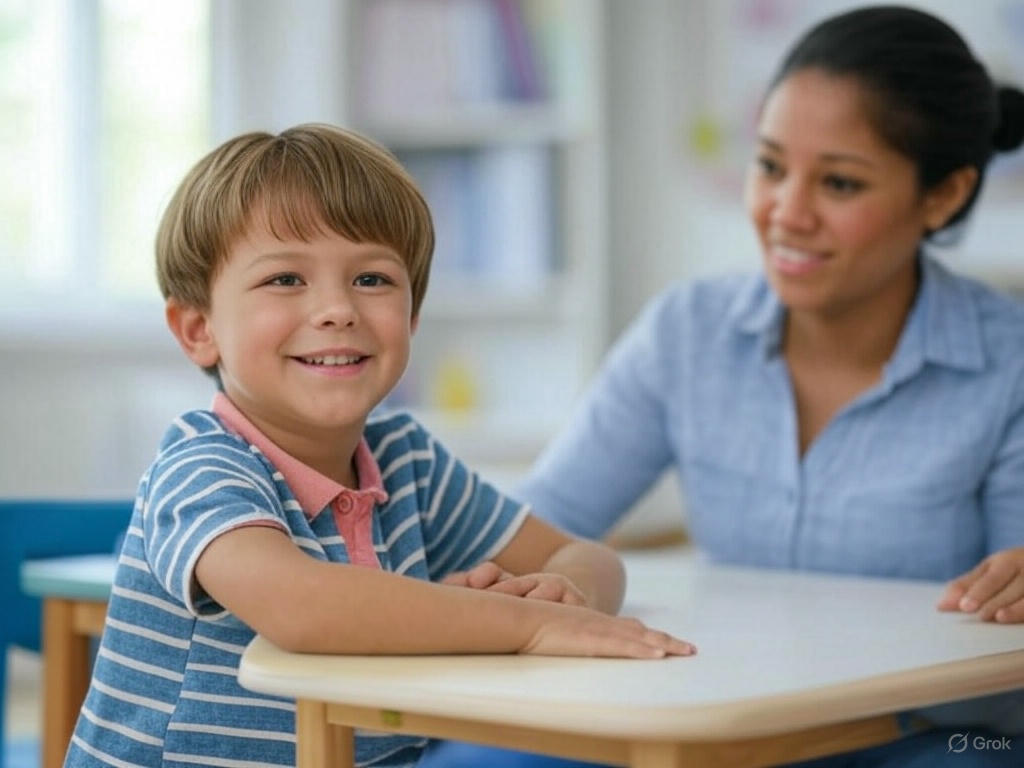


The Role of Art in Building Self-Confidence in Children
Understanding the Connection Between Art and Self-Confidence in Children
Art has long been recognized as a powerful tool for personal growth, and its role in building self-confidence in children is no exception. Through creative expression, children can explore their emotions, develop new skills, and gain a sense of accomplishment. This process fosters a positive self-image and helps them feel more capable in other areas of life.
Studies show that children who engage in artistic activities are more likely to develop higher self-esteem. For example, a 2019 study published in the Journal of Child Psychology found that children who participated in weekly art classes reported a 20% increase in self-confidence over six months.
Art provides a safe space for children to express themselves without fear of judgment. This freedom allows them to take risks, experiment, and learn from their mistakes, all of which are crucial for building self-confidence.
By understanding the connection between art and self-confidence in children, parents and educators can better support their emotional and psychological development.
How Creative Expression Boosts Emotional Resilience in Kids
Creative expression through art helps children process their emotions and build emotional resilience. When children draw, paint, or sculpt, they often channel their feelings into their work, which can be therapeutic and empowering.
For instance, a child dealing with anxiety might find relief in painting abstract shapes or colors that represent their emotions. This act of externalizing feelings can make them more manageable and less overwhelming.
Art also teaches children to cope with challenges. Completing an art project, even when it doesn’t turn out as expected, helps them learn perseverance and adaptability—key components of emotional resilience.
By boosting emotional resilience, art plays a significant role in building self-confidence in children, enabling them to face life’s ups and downs with greater assurance.
The Psychological Benefits of Art in Childhood Development
The psychological benefits of art in childhood development are profound. Engaging in artistic activities stimulates the brain, enhances cognitive abilities, and promotes mental well-being.
Art encourages mindfulness, helping children focus on the present moment. This can reduce stress and anxiety, creating a more positive mental state that supports self-confidence.
Additionally, art fosters a growth mindset. When children see their skills improve over time, they develop a belief in their ability to learn and grow, which is essential for building self-confidence.
From improving focus to enhancing emotional intelligence, the psychological benefits of art make it an invaluable tool for childhood development and self-confidence building.
Encouraging Self-Discovery Through Artistic Activities
Artistic activities provide children with opportunities for self-discovery. By experimenting with different mediums and techniques, they learn more about their preferences, strengths, and unique abilities.
For example, a child who enjoys sketching may discover a talent for detailed observation, while another who loves working with clay might uncover a knack for three-dimensional thinking. These realizations contribute to a stronger sense of self and confidence.
Art also allows children to explore their identities. They can express their cultural heritage, personal experiences, or aspirations through their creations, fostering a deeper understanding of who they are.
Encouraging self-discovery through art is a powerful way to build self-confidence in children, helping them embrace their individuality and potential.
Building Problem-Solving Skills and Confidence Through Art
Art challenges children to think critically and solve problems. Whether it’s figuring out how to mix colors to achieve a specific shade or deciding how to structure a sculpture, artistic activities require creative problem-solving.
These problem-solving experiences build confidence by showing children that they can overcome obstacles and find solutions. This skill translates to other areas of life, such as academics and social interactions.
For instance, a child who successfully completes a challenging art project may feel more confident tackling a difficult math problem or resolving a conflict with a friend.
By building problem-solving skills, art plays a crucial role in fostering self-confidence in children, equipping them with tools for lifelong success.
The Role of Art in Overcoming Fear of Failure in Children
Fear of failure can be a significant barrier to self-confidence in children. Art provides a low-stakes environment where mistakes are not only acceptable but often celebrated as part of the creative process.
For example, a child who accidentally smudges their painting might turn the mistake into a new design element, learning that errors can lead to unexpected beauty.
This shift in perspective helps children view failure as an opportunity for growth rather than a setback. Over time, they become more willing to take risks and try new things, both in art and in life.
By helping children overcome their fear of failure, art plays a vital role in building self-confidence and resilience.
How Art Promotes Positive Self-Identity in Young Minds
Art is a powerful medium for promoting positive self-identity in children. Through their creations, children can explore and express their values, beliefs, and aspirations.
For instance, a child who paints a picture of their family may feel a stronger connection to their loved ones and a greater sense of belonging. Similarly, a child who creates art inspired by their cultural heritage may develop pride in their background.
Art also allows children to celebrate their individuality. By creating something unique, they gain a sense of ownership and pride in their work, which boosts their self-esteem.
Promoting positive self-identity through art is essential for building self-confidence in children, helping them feel secure in who they are.
Practical Ways to Introduce Art for Confidence Building
- Set up a dedicated art space at home or in the classroom where children can freely create.
- Provide a variety of materials, such as paints, markers, clay, and paper, to encourage exploration.
- Encourage children to share their artwork and celebrate their efforts, regardless of the outcome.
- Incorporate art into daily routines, such as journaling with illustrations or creating handmade cards.
These practical steps can make art a regular part of a child’s life, fostering self-confidence and creativity.
Success Stories: Real-Life Examples of Art Empowering Children
One inspiring example is a 10-year-old named Mia, who struggled with shyness and low self-esteem. After joining an art class, she discovered a talent for watercolor painting. Over time, her confidence grew as she received praise for her work and even participated in a local art exhibit.
Another case is Alex, a child with learning disabilities who found solace in sculpting. Through art, Alex developed patience and problem-solving skills, which improved his academic performance and self-confidence.
These success stories highlight the transformative power of art in building self-confidence in children, showing how creative expression can change lives.
Tips for Parents and Educators to Foster Confidence Through Art
- Avoid criticizing or correcting children’s artwork; instead, focus on their effort and creativity.
- Encourage experimentation and reassure children that mistakes are part of the learning process.
- Expose children to different forms of art, such as music, dance, and theater, to broaden their horizons.
- Collaborate on art projects to build a sense of teamwork and shared accomplishment.
By following these tips, parents and educators can use art as a powerful tool for building self-confidence in children.