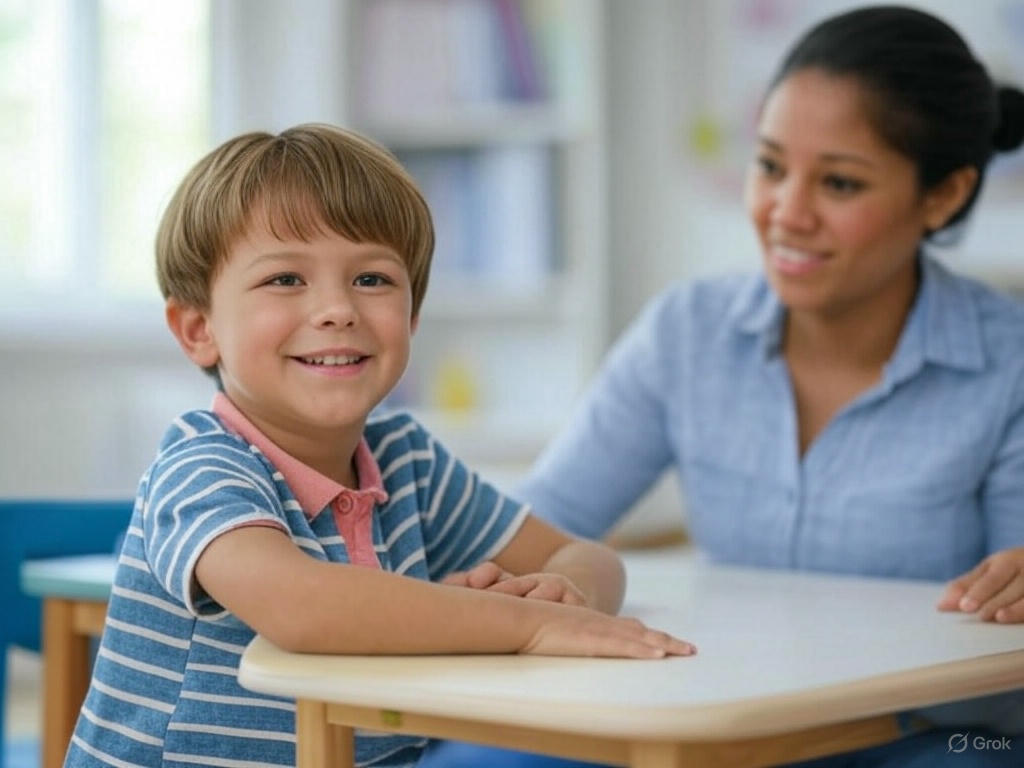


How to Manage Toddler Separation Anxiety: A Guide for Parents
Separation anxiety can be a challenging phase for both toddlers and their parents. While it’s a normal part of child development, it can cause frustration and concern if left unaddressed. Understanding why this happens and how you can help your toddler navigate through their fears is key to fostering healthy child growth and emotional well-being. In this article, we’ll explore practical strategies to manage toddler separation anxiety while promoting your child’s confidence and independence.
Understanding Toddler Separation Anxiety
Separation anxiety is a natural developmental milestone for toddlers, typically peaking between 8-24 months. At this stage, a child starts to develop a stronger attachment to their caregivers and begins to understand the concept of object permanence—the idea that people and things still exist even when they’re out of sight.
While this growing awareness is a positive sign of cognitive and emotional development, it can also make certain moments, such as saying goodbye or going to daycare, particularly stressful. Children may cry, cling, or become highly distressed when separated. It’s important to remember that this behavior isn’t a sign of failure as a parent or a flaw in your child’s personality. Instead, it’s a formative stage that can be addressed with patience and appropriate strategies.
Signs of Separation Anxiety
Recognizing separation anxiety in your toddler involves observing their behavior for common signs such as:
- Crying or tantrums during separations – Your toddler may burst into tears when you leave, even for a brief moment.
- Clinginess – They might refuse to let go of you or follow you around.
- Interruptions in routine – Sleep disturbances, refusal to eat, or sudden regressions in potty training may arise.
- Fear of strangers – Your child may seek comfort only from familiar people, avoiding others entirely.
These behaviors can feel overwhelming, but with the right approach and mindset, you can ease the transition and make separation a more positive experience for your child.
How to Manage Toddler Separation Anxiety
Here are some effective strategies to help your child navigate separation anxiety while fostering their emotional resilience and independence:
1. Establish a Predictable Goodbye Routine
Toddlers thrive on routine. It helps them feel secure in their environment and provides predictability during transitions. Use the same goodbye routine each time you leave. For example, a hug, a kiss, and a cheerful phrase like, “I’ll see you soon!” can reassure them that you’ll return. Keeping this routine consistent will help them trust the process over time.
2. Practice Separation in Small Doses
Start preparing your child for longer separations by practicing short ones first. You could step out of the room for a few minutes or leave them with a trusted caregiver for brief periods. Gradually increasing the duration will help your child build confidence in your return. This exercise not only soothes their anxiety but also nurtures their budding independence.
3. Foster Independence Through Play
Encouraging independent play is an excellent way to support your child’s emotional growth. Playtime activities that allow toddlers to explore their environment and solve problems on their own can help them feel more secure, even when you’re not immediately present. Play also enhances critical aspects of child behavior like patience, focus, and problem-solving.
For inspiration on activities that promote healthy child development, consider resources like this, which provide ideas to help your toddler grow and thrive emotionally, socially, and cognitively.
4. Validate Their Feelings
Your child needs to know that their emotions are valid and understood. Acknowledge their feelings by saying, “I understand you’re sad when I leave, but I’ll come back soon.” Offering comfort while setting boundaries teaches them to express emotions appropriately—a vital skill for healthy child growth.
5. Avoid Sneaking Out
While it might feel easier to slip away when your child isn’t looking, this approach can backfire. Sneaking out undermines their trust and may heighten their anxiety in the future. Instead, stick to your goodbye routine and leave with confidence, even if there are tears.
6. Introduce New Environments Gradually
Whether it’s daycare or a new playgroup, take the time to help your toddler adjust to unfamiliar settings. Start by attending together and gradually give them space to interact with others while you’re nearby. Familiarity and positive experiences in these new environments can ease the transition when you have to separate.
7. Seek Professional Support When Needed
If your child’s separation anxiety persists for an extended period or significantly impacts their daily life, seeking professional help may be the right option. A child therapist can assess your toddler’s behavior holistically and offer personalized strategies to empower both you and your child during this time.
You can schedule a consultation for child therapy support with an experienced professional via this link. Early intervention creates a strong foundation for emotional regulation, positively influencing their long-term development.
Long-Term Benefits of Addressing Separation Anxiety
The time and effort you invest in managing your toddler’s separation anxiety will yield long-term benefits. By helping them feel secure and supported during moments of separation, you’re teaching them valuable life skills:
- Emotional Regulation: Learning to manage overwhelming emotions builds resilience and helps them cope with future challenges.
- Enhanced Social Development: Overcoming anxiety allows your child to engage fully with peers and caregivers beyond their immediate family.
- Increased Confidence: Successfully navigating separation fosters independence and instills confidence that they can handle new experiences and environments.
Closing Thoughts
Managing toddler separation anxiety requires patience, empathy, and consistency. By offering reassurance, fostering independence, and intervening with support when necessary, you can help your child navigate this phase with confidence. Remember, this stage is not just about easing immediate distress—it’s an opportunity to nurture emotional resilience, a key aspect of healthy child behavior.
Looking for more guidance on parenting and child development? Explore additional resources on child behavior and growth or connect with a professional to address your family’s unique needs. With the right tools and mindset, you can turn this challenging phase into a meaningful step in your child’s journey toward well-rounded development.