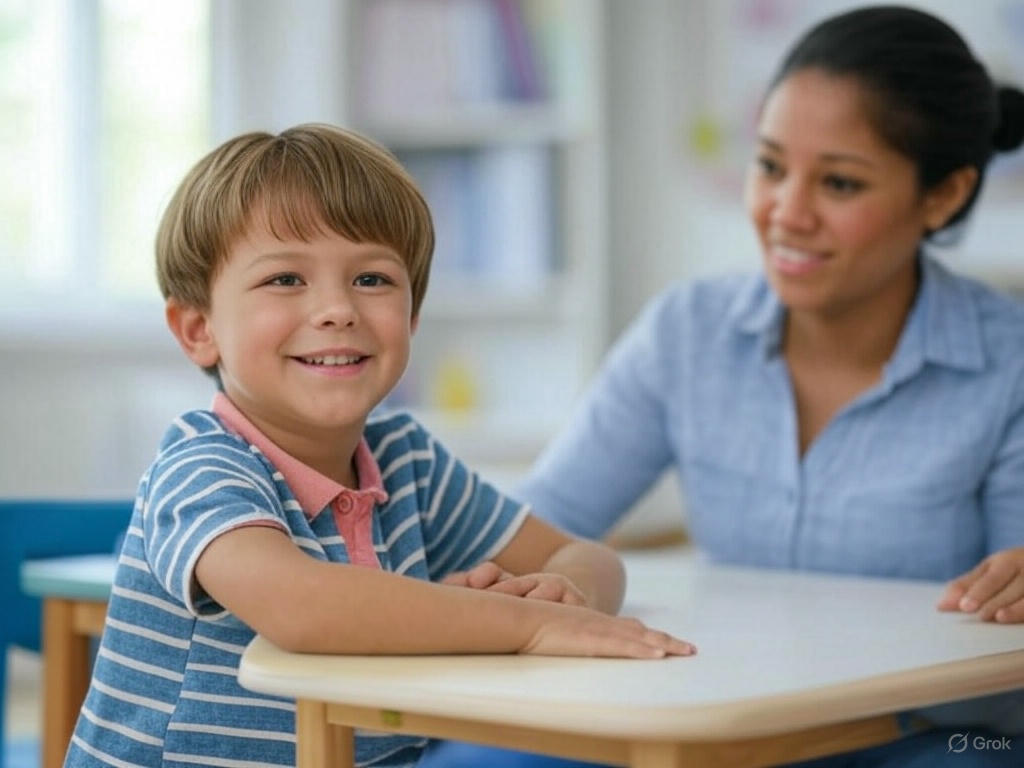


Best Brain Gym Exercises for Preschoolers: Nurturing Young Minds for Growth
The preschool years are some of the most critical in a child’s development. During this time, their brains are developing rapidly, absorbing the world around them and making vital connections that will shape their learning, behavior, and growth for years to come. As parents and caregivers, one of the best ways to support a child’s cognitive development is through brain gym exercises. These fun and engaging activities not only improve brain function but also play a significant role in enhancing motor skills, focus, memory, and emotional regulation.
In this article, we’ll explore some of the best brain gym exercises for preschoolers. These activities are simple yet incredibly impactful in helping your child grow and thrive across all areas of development.
What Are Brain Gym Exercises?
Brain gym exercises involve physical movements that stimulate and integrate both hemispheres of the brain. These exercises are designed to strengthen neural pathways, improve coordination, and enhance overall cognitive abilities. For preschoolers, these activities are a playful extension of their natural creativity and energy, making them ideal for foster learning.
With young children, the goal is not to turn exercises into a chore but to make them a delightful experience. Many of these exercises can be comfortably integrated into everyday play and promote bonding between you and your child simultaneously.
The Importance of Brain Gym Exercises in Child Development
Brain gym exercises can positively influence various aspects of a preschooler’s growth and behavior, including:
-
Improved Cognitive Skills: These exercises help children develop problem-solving abilities, critical thinking, and decision-making.
-
Enhanced Motor Coordination: Activities involving movement help preschoolers improve their balance, coordination, and fine motor skills.
-
Increased Emotional Regulation: Physical movements connected to mindful exercises, like deep breathing, help children manage their emotions and behavior.
-
Supports Academic Readiness: By developing foundational skills like focus, memory, and perception, kids are better prepared for reading, math, and other academic activities.
Best Brain Gym Exercises for Preschoolers
1. Cross Crawls
Cross crawls are simple yet incredibly effective for coordinating both sides of the brain. To do this exercise, ask your child to touch their right elbow to their left knee and then alternate by touching the left elbow to the right knee. This cross-lateral movement strengthens neural connections and helps with focus and balance.
Developmental Benefits: Improves motor coordination and attention span while stimulating both brain hemispheres.
2. Brain Buttons
This exercise promotes better concentration and blood flow to the brain. To perform the exercise, your child will place one hand on the area between the ribs and belly button. With the other hand, they gently massage the soft area under their collarbone. Encourage them to take deep breaths as they do this.
Developmental Benefits: Enhances focus, memory recall, and reduces stress.
3. Lazy Eights
For preschoolers, teaching motor planning and visual tracking is essential for activities such as learning to read. Lazy eights involve tracing a large figure-eight shape in the air with their hand. They can also draw the shape on a large surface, like a whiteboard or paper.
Developmental Benefits: Builds hand-eye coordination, improves spatial awareness, and promotes early literacy skills.
4. Hook-Ups
Hook-ups are excellent for calming hyperactive children and helping them regain focus. To do this activity, ask your child to sit or lie down. Cross one leg over the other and do the same with their arms, crossing at the wrists. Encourage them to breathe deeply while maintaining this position.
Developmental Benefits: Supports emotional regulation and helps manage difficult transitions or overstimulation.
5. Marching in Place
Marching in place while clapping hands alternately activates both sides of the brain. This rhythmic activity is simple to do and can also be incorporated into storytime or music sessions.
Developmental Benefits: Improves motor coordination, balance, and attention span.
6. Alphabet or Number Tracing
With a large space or sand tray, encourage your preschooler to trace alphabets, numbers, or shapes using their finger. Ask them to say each letter or number aloud as they draw.
Developmental Benefits: Combines auditory, visual, and kinesthetic learning, ideal for building early literacy and numeracy skills.
7. Cross-Body Ball Play
Have your child throw and catch a ball with one hand while standing or sitting. Mix it up by encouraging them to throw from their left side to their right side and vice versa.
Developmental Benefits: Bolsters gross motor skills and strengthens hand-eye coordination.
Embedding Brain Exercises into Your Child’s Daily Routine
Consistency is key when encouraging brain gym exercises. These activities don’t need to be lengthy or overly structured. Incorporate them into your preschooler’s playtime for a seamless approach to brain development. For instance:
- Begin the day with simple exercises like cross crawls or marching in place.
- Use lazy eights or alphabet tracing during arts and crafts sessions.
- Wind down with calming techniques like hook-ups in the evening.
These tiny yet intentional efforts will not only support your child’s overall growth but also foster a strong parent-child connection.
For more guidance on tailored strategies to help your child grow in every aspect of their life, visit Prashast Foundation. The organization offers expert resources and programs designed to empower families on their developmental journeys.
When to Seek Support
While most children benefit immensely from brain gym activities, some may require additional guidance to overcome developmental or behavioral challenges. Working with a professional can make all the difference in ensuring your child thrives. To explore personalized child therapy options or learn more about expert-led interventions, consider scheduling a session through this Child Therapy Support platform.
Taking proactive steps today can help lay a robust foundation for your child’s future growth and wellbeing!
Conclusion
Brain gym exercises offer a fun, engaging way to support preschoolers in their critical years of development. Whether you aim to boost their focus, coordination, or emotional regulation, these activities are a stepping stone to lifelong learning and success. By incorporating cross crawls, lazy eights, or even simple ball play into their routine, you are providing them with tools to thrive not just academically but socially and emotionally as well.
Empower your child to achieve balanced growth through consistent exercises at home and seek additional support when needed. Together, let’s nurture young minds to reach their fullest potential!