


Introduction to Signs of Healthy Emotional Attachment in Toddlers
Emotional attachment is a vital aspect of a child’s development, and it plays a crucial role in shaping their social, emotional, and cognitive abilities. A healthy emotional attachment between a toddler and their caregiver is essential for building trust, security, and a lifelong bond.
As a parent or caregiver, it’s essential to recognize the signs of healthy emotional attachment in toddlers and take steps to nurture and strengthen this bond. In this comprehensive guide, we’ll explore the importance of healthy emotional attachment, signs of secure and insecure attachment, and provide tips and strategies for fostering a strong connection with your child.
The Importance of Healthy Emotional Attachment in Toddlers
Healthy emotional attachment in toddlers is critical for their overall development and well-being. It lays the foundation for future relationships, influences their self-esteem, and affects their ability to regulate emotions and manage stress.
According to the American Academy of Pediatrics, a healthy emotional attachment in toddlers is linked to better social skills, improved academic performance, and a reduced risk of behavioral problems.
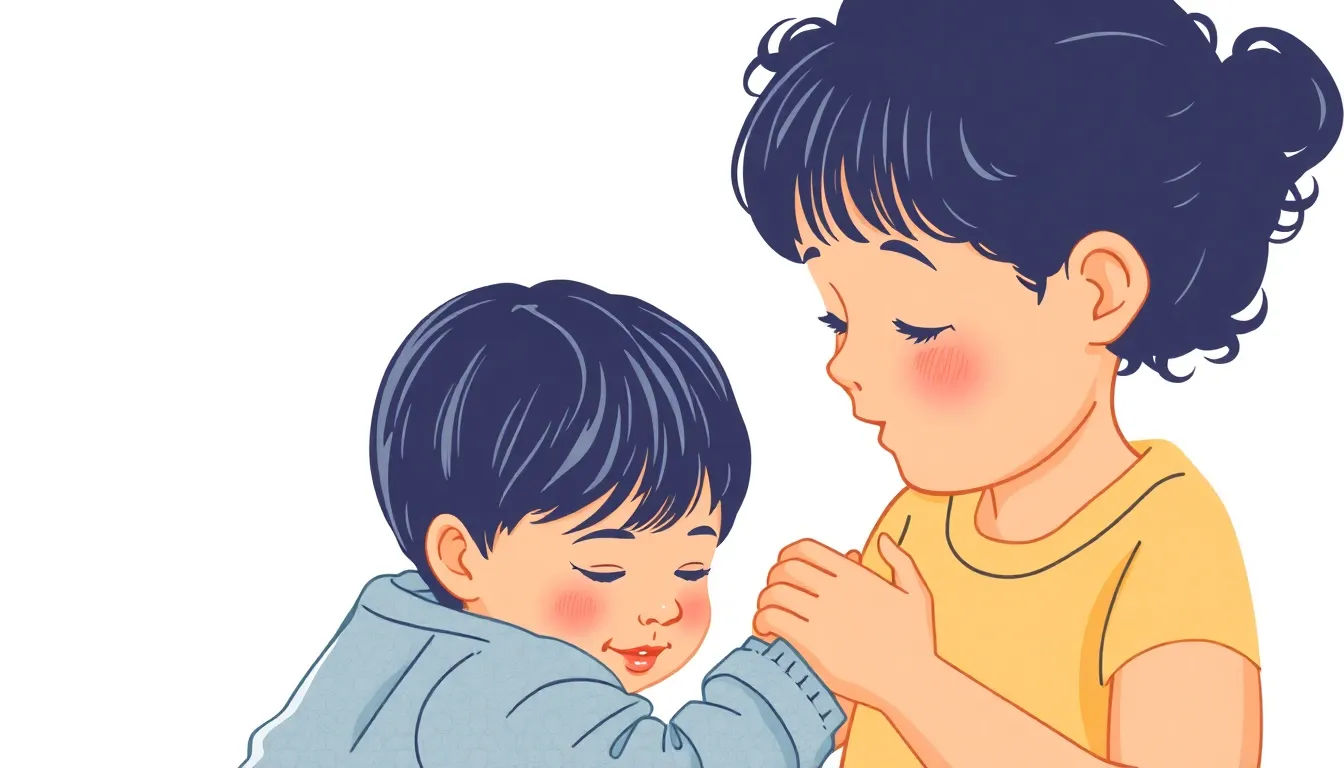
Signs of Secure Attachment in Toddlers
A securely attached toddler feels safe, loved, and valued, and they exhibit certain behaviors that demonstrate their trust and confidence in their caregiver. Some common signs of secure attachment in toddlers include:
- Seeking comfort and reassurance from their caregiver
- Responding positively to their caregiver’s presence and touch
- Showing affection and initiating cuddling or hugging
- Exploring their environment with confidence, knowing their caregiver is nearby
Securely attached toddlers are more likely to develop healthy relationships, better emotional regulation, and improved cognitive skills.
Recognizing Insecure Attachment Styles in Toddlers
Insecure attachment styles in toddlers can have long-term consequences on their emotional and social development. There are three main types of insecure attachment styles:
- Anxious-ambivalent attachment: characterized by clingy behavior, anxiety, and uncertainty
- Avoidant attachment: marked by a lack of interest in their caregiver, emotional unavailability, and independence
- Disorganized-disoriented attachment: a mix of anxious and avoidant behaviors, often resulting from trauma or neglect
Recognizing the signs of insecure attachment in toddlers is crucial, as early intervention can help mitigate its effects and promote a healthier attachment style.

Fostering Healthy Emotional Attachment in Toddlers: Tips and Strategies
Fostering a healthy emotional attachment in toddlers requires effort, patience, and consistency. Here are some tips and strategies to help you nurture a strong bond with your child:
- Respond promptly to your child’s needs and emotions
- Practice skin-to-skin contact, cuddling, and physical touch
- Engage in play and interactive activities that promote bonding
- Establish a predictable routine and provide a sense of security
- Validate your child’s emotions and offer empathy and understanding
By incorporating these strategies into your daily routine, you can strengthen your bond with your child and promote a healthy emotional attachment.
Overcoming Common Challenges to Healthy Emotional Attachment in Toddlers
Despite your best efforts, you may face challenges that can impact healthy emotional attachment in toddlers. Some common challenges include:
- Parental stress and anxiety
- Work-related separation and childcare arrangements
- Co-parenting conflicts and inconsistent parenting styles
- Childhood trauma or neglect
By acknowledging these challenges and seeking support, you can overcome obstacles and continue to nurture a healthy emotional attachment with your child.
Seeking Support for Healthy Emotional Attachment in Toddlers
If you’re struggling to establish a healthy emotional attachment with your toddler, don’t hesitate to seek support from:
- Pediatricians and healthcare professionals
- Child development specialists and therapists
- Support groups and online forums for parents and caregivers
- Related articles and resources on building resilience in toddlers
Conclusion
Healthy emotional attachment in toddlers is a critical aspect of their development, and it’s essential to recognize the signs of secure and insecure attachment styles. By understanding the importance of healthy emotional attachment, recognizing the signs, and fostering a strong bond with your child, you can promote a lifelong connection that will benefit their social, emotional, and cognitive abilities.
Remember, every child is unique, and it’s never too early or too late to nurture a healthy emotional attachment. With patience, consistency, and support, you can overcome challenges and provide your child with a strong foundation for a happy, healthy, and fulfilling life.