
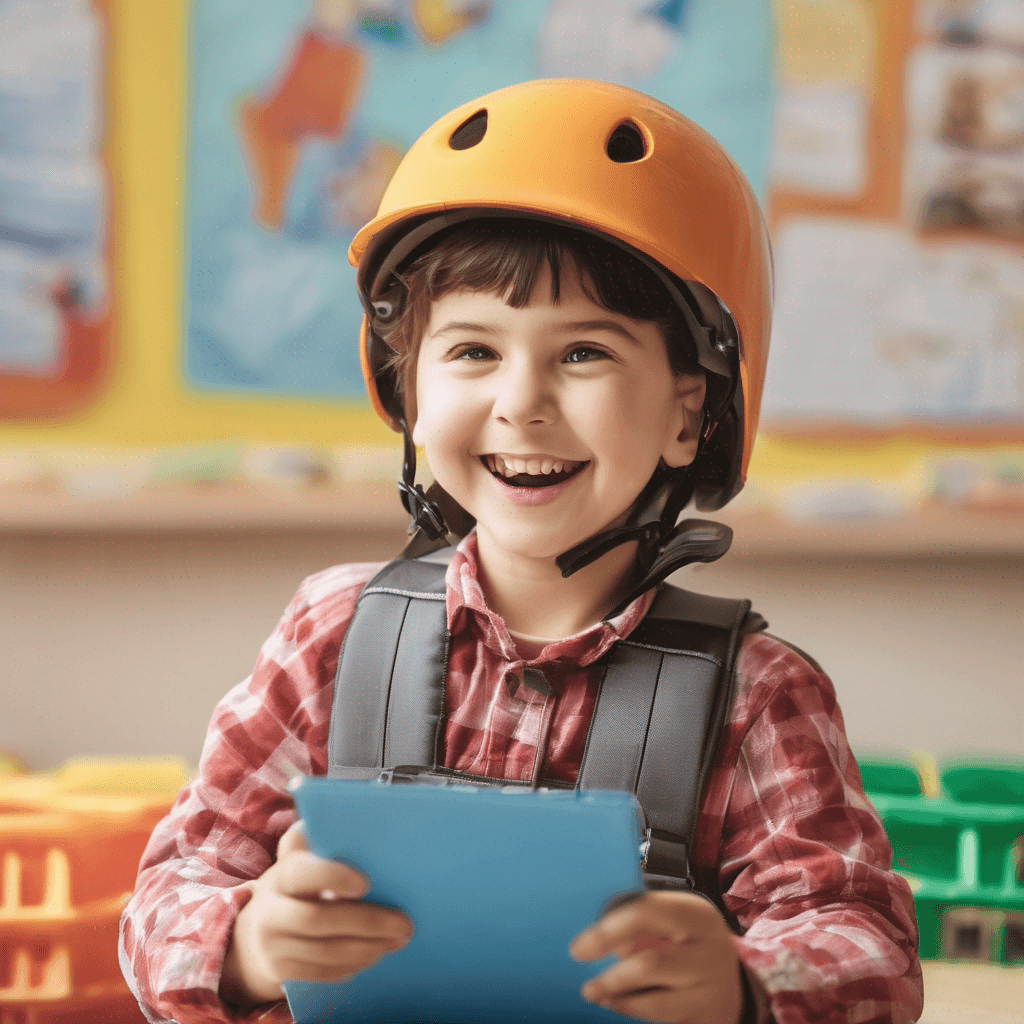
How to Improve Your Child’s Social Confidence
As parents, one of the greatest gifts you can provide your child is the opportunity to build strong social confidence—a skill that will serve them throughout their lives. A socially confident child is more likely to form meaningful relationships, express themselves effectively, and thrive in various social, academic, and professional environments.
Social confidence is not something children are inherently born with; it develops over time. Encouraging this growth requires intentional parenting strategies focused on nurturing their emotional well-being, boosting their self-esteem, and enhancing their social skills. If you’re wondering how to embark on this journey, read on for practical steps to help elevate your child’s social confidence and enhance their overall development.
Why is Social Confidence Essential for Child Development?
Social confidence is a cornerstone of child growth. It deeply impacts how children perceive themselves, interact with others, and handle challenges. When children feel secure in social settings, they are more likely to:
- Communicate Effectively: Confident kids express their thoughts clearly and assertively, strengthening their interpersonal relationships.
- Build Resilience: Socially confident children recover more quickly from setbacks, whether in friendships, academics, or sports.
- Enhance Their Behavioral Growth: Positive social interactions foster emotional intelligence, empathy, and adaptability.
Fostering social confidence isn’t just about shyness or outgoingness—it’s about building a child’s ability to understand and interact with the world thoughtfully and meaningfully.
1. Create Opportunities for Social Interaction
Children learn social skills through practice, so exposing them to new social situations is key. Encourage participation in group activities such as:
- Sports teams
- Art or dance classes
- Storytime sessions at the library
- Playdates with friends or family members
When children engage with peers, they naturally learn important life skills such as cooperation, active listening, and problem-solving. However, it’s important to start small—forcing too many interactions at once may overwhelm them.
Creating a balance between structured activities and free play fosters opportunities for organic interactions, which are vital for child behavior exploration and growth.
2. Be a Role Model
Children are observant imitators, often emulating the behaviors they see in their parents or guardians. Model confidence in your own social interactions by demonstrating:
- Warm greetings
- Active listening
- Speaking kindly and respectfully to others
- Handling disagreements calmly
If you approach social situations with ease and positivity, your child is likely to mirror that confidence without even realizing it. Also, show them that it’s okay to make mistakes, reminding them that everyone experiences awkward moments from time to time.
3. Encourage Teamwork and Collaboration
Participating in team activities helps children learn to function within a group, fostering their social competence. Whether it’s collaborating on a science project or joining the local soccer team, teamwork helps children understand the importance of trust, patience, and mutual respect.
Collaborative activities also build a sense of belonging, which is crucial for child development. Being part of a supportive group boosts a child’s self-esteem, further enhancing their confidence in social environments.
4. Teach Empathy and Emotional Regulation
Social confidence is deeply tied to a child’s ability to empathize with others. Start by teaching your child about emotions—both their own and those of others. Use language like, “I see you’re feeling frustrated,” or ask them, “How do you think Sarah feels right now?” This makes them more mindful of emotional cues, which is foundational for understanding social dynamics.
Pair this with exercises in emotional regulation. Techniques like slow breathing, counting to 10, or journaling can help children manage overwhelming feelings, preventing meltdowns or miscommunication during social interactions.
5. Provide Constructive Feedback
When your child engages in social situations, offer feedback tailored to their developmental stage. Praise them for their positive efforts, such as sharing, expressing gratitude, or introducing themselves to new friends. If a social interaction doesn’t go as planned, guide them gently: “I noticed you felt upset when your classmate didn’t share the toy. Next time, you could try saying, ‘I’d like to play too.’”
The goal here is not criticism, but growth. Helping children navigate complex social interactions empowers them to make better choices in the future.
6. Enlist Professional Guidance When Needed
Every child develops at their own pace, but some may struggle more noticeably with anxiety, social isolation, or a reluctance to interact. These challenges don’t mean your child is incapable of growth—they might just need additional support.
Seeking help from a child therapy professional is an excellent step toward understanding the unique factors affecting your child’s social behavior. At Prashast Foundation, we specialize in promoting a child’s holistic growth by addressing challenges related to confidence, emotions, and social skills. You can learn more about our resources here or explore a personalized consultation with our experts by scheduling a session through this Child Therapy Support Calendar.
7. Practice Role-Playing at Home
Role-playing difficult or unfamiliar situations is a fun and effective way to prepare your child for real-world challenges. For instance:
- Practice introducing themselves to a new friend.
- Teach them to politely decline an invitation.
- Rehearse asking their teacher for help.
These activities help children develop scripts and build muscle memory, making difficult situations more manageable.
8. Celebrate Small Wins
Social confidence isn’t built overnight, so it’s essential to celebrate your child’s progress—no matter how small. Compliment their bravery when they join a new game at the park or speak up in class. Consistent positive reinforcement helps solidify their growth and motivates them to keep trying.
In Conclusion: Nurturing Your Child’s Social Confidence
Improving your child’s social confidence is a journey that requires patience, encouragement, and a nurturing environment. By providing opportunities for interaction, modeling confident behavior, and supporting your child through their challenges, you empower them to grow into a skilled, empathetic, and self-assured individual.
Remember, every child is unique, and their milestones are worth celebrating in their own time. If you find yourself needing more guidance, don’t hesitate to reach out for professional support. Building strong foundations today will have a lifelong impact on your child’s relationships and success.