Introduction to Teaching Gratitude to Young Children
Teaching gratitude to young children is an essential life skill that can have a profound impact on their well-being and happiness. When kids learn to appreciate the good things in life, they develop a positive outlook and become more resilient in the face of challenges. In this article, we’ll explore the importance of teaching gratitude to young children and provide practical tips and activities to help you get started.
Why Teaching Gratitude to Young Children Matters
Research has shown that gratitude is linked to greater happiness, better relationships, and improved mental health. When children practice gratitude, they develop a more optimistic outlook on life, which can lead to better academic performance, stronger social connections, and a reduced risk of depression and anxiety. Moreover, teaching gratitude to young children helps them develop empathy and appreciation for others, which is critical for building strong relationships.
According to a study published in the Journal of Positive Psychology, gratitude interventions can increase happiness and well-being in children as young as five years old. This highlights the importance of starting gratitude practices early in childhood.
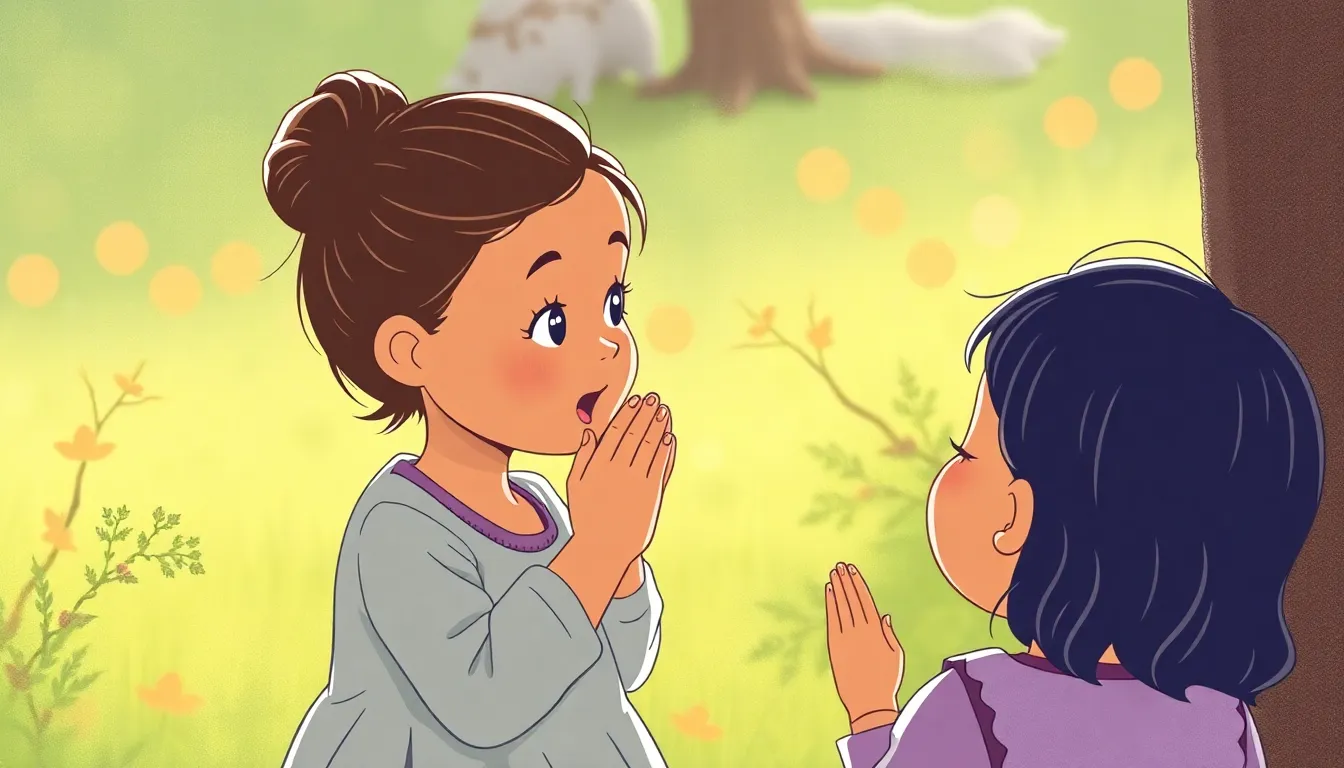
Fun Activities to Teach Gratitude to Young Children
Here are some fun and engaging activities to teach gratitude to young children:
- Gratitude Jar: Create a gratitude jar where kids can write down things they’re thankful for each day.
- Thank-You Notes: Encourage kids to write thank-you notes to family members, friends, or teachers who have made a positive impact in their lives.
- Gratitude Scavenger Hunt: Create a scavenger hunt where kids have to find things they’re grateful for in their daily lives, such as a warm meal or a good book.
Practical Tips for Teaching Gratitude to Young Children in Daily Life
Here are some practical tips to incorporate gratitude into your daily routine:
- Model Gratitude: Kids learn by example, so make sure to model gratitude yourself.
- Make it a Habit: Establish a daily or weekly gratitude practice, such as sharing three things you’re grateful for during dinner.
- Be Specific: Encourage kids to be specific about what they’re grateful for, rather than just saying “my family” or “my friends.”
For more tips on teaching gratitude to young children, check out our article on Teaching Gratitude to Teenagers.
Overcoming Challenges in Teaching Gratitude to Young Children
Teaching gratitude to young children can be challenging, especially when they’re resistant to change or struggling with negative emotions. Here are some tips to overcome common challenges:
Teaching Gratitude to Young Children with Special Needs
Kids with special needs may require additional support and accommodations to practice gratitude. Consult with their teachers or therapists to develop a customized approach.
For more information on teaching gratitude to children with special needs, visit the Autism Speaks website.
Conclusion
Teaching gratitude to young children is a valuable investment in their future happiness and well-being. By incorporating gratitude practices into your daily routine and making it fun and engaging, you can help your kids develop a lifelong appreciation for the good things in life. Remember to be patient, consistent, and supportive, and to overcome challenges with creativity and flexibility.
Start teaching gratitude to young children today and watch them thrive in a world filled with positivity and appreciation!