
Introduction
Play is often viewed as a leisure activity, a way for children to have fun and expend energy. However, play is much more than that. It’s a vital component of brain development, shaping the very structure and function of the brain. In this article, we’ll delve into the crucial role of play in brain synapse development, and explore the long-term benefits it provides for children.
Neuroplasticity and Synapse Formation
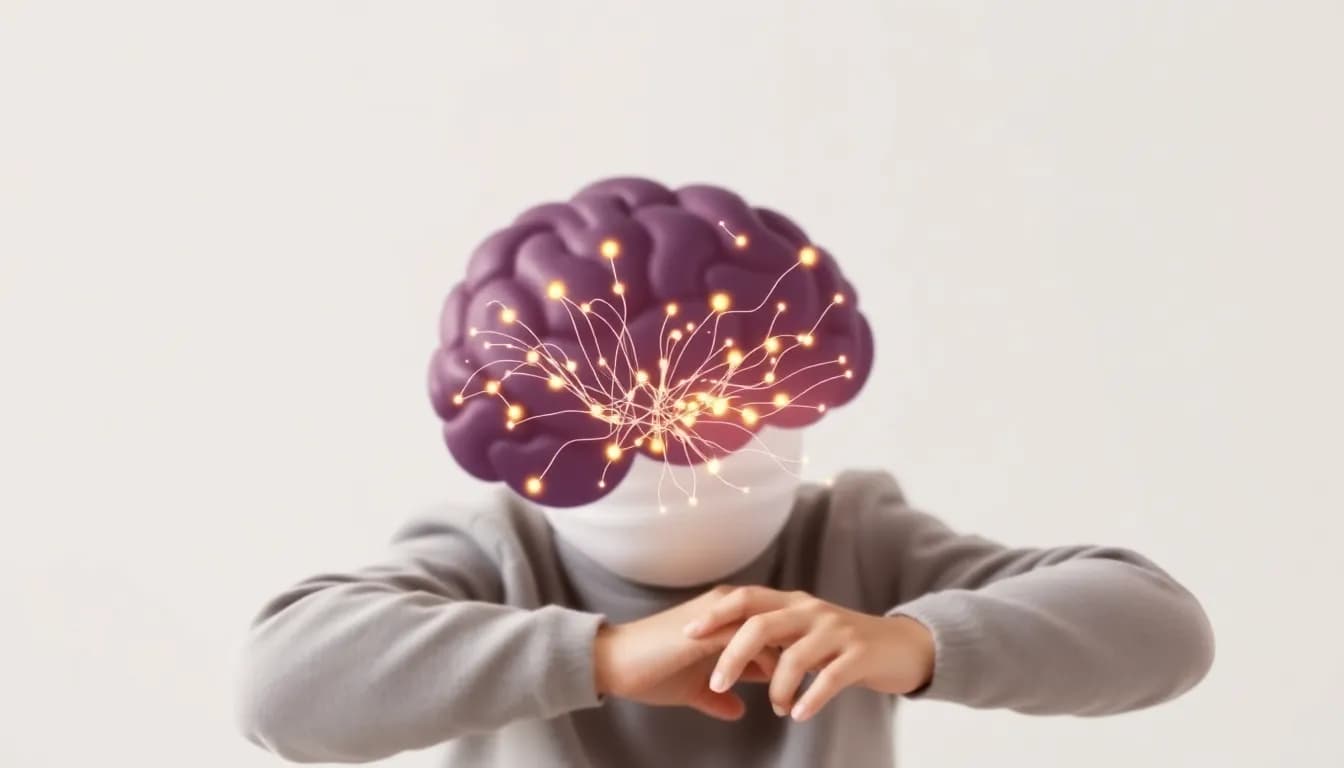
Brain development is a dynamic process, characterized by the formation and strengthening of neural connections, or synapses. This process, known as neuroplasticity, is essential for learning and memory. Play stimulates neuroplasticity, encouraging the growth of new synapses and the pruning of unnecessary ones. This refinement process enables the brain to become more efficient, leading to improved cognitive skills and emotional intelligence.
Types of Play that Foster Brain Development
Not all play is created equal. Different types of play have distinct benefits for brain development. For example, unstructured play, such as building with blocks or exploring nature, promotes problem-solving skills and creativity. Structured play, like puzzles or board games, enhances critical thinking and logic. Social play, involving interactions with others, develops emotional intelligence and empathy.
The Impact of Play Deprivation
In today’s digital age, many children are spending more time in front of screens and less time engaging in physical play. This play deprivation can have severe consequences, including delayed cognitive development, increased stress levels, and decreased emotional intelligence. By prioritizing play, parents and caregivers can mitigate these risks, providing children with a strong foundation for future success.
Conclusion
In conclusion, play is not just a frivolous activity, but a vital component of brain development. By providing children with opportunities for unstructured, structured, and social play, we can foster healthy brain development, boost cognitive skills, and cultivate emotional intelligence. So, let’s make play a priority, and give children the gift of a strong, adaptable brain.